
 EN
EN

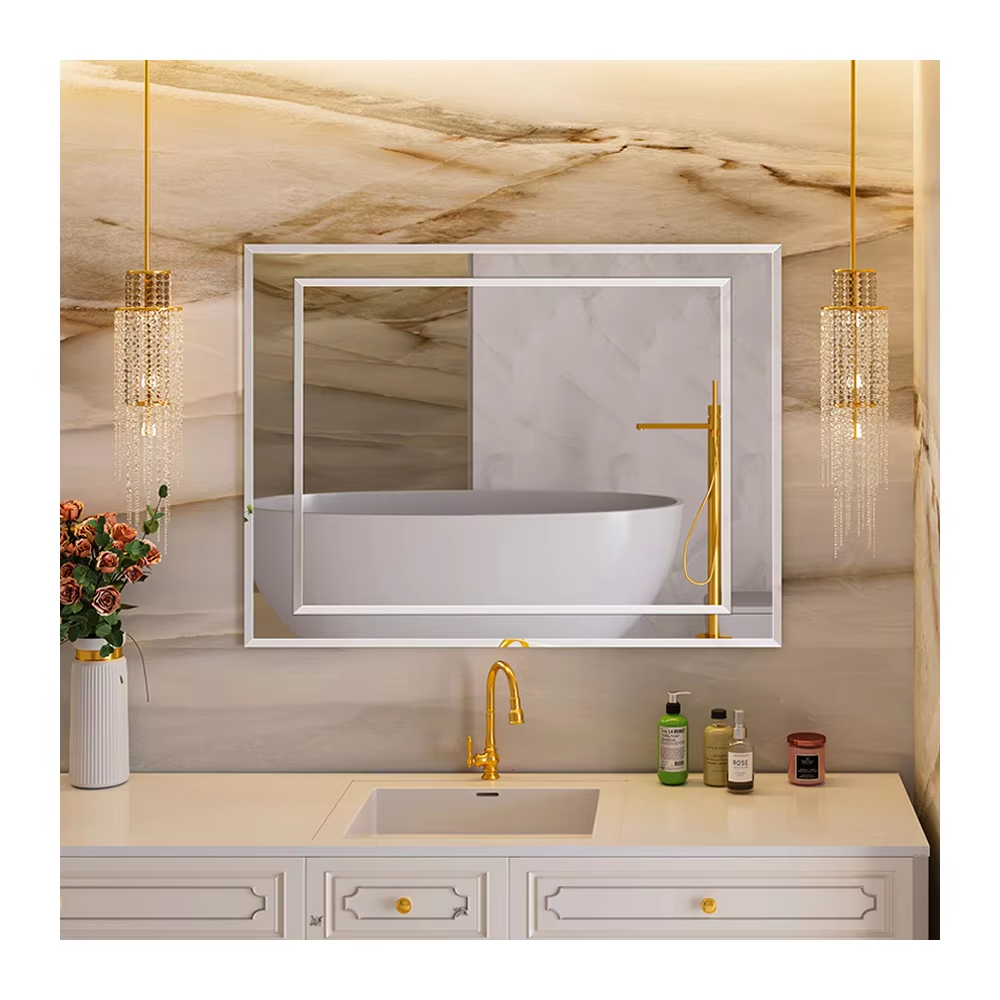
Minimalist Frameless Bathroom Vanity Mirrors for Clean, Spacious Interiors
Why frameless bathroom vanity mirrors define modern spatial clarity
Bathroom vanity mirrors without frames give people those nice, unbroken reflections that actually make small spaces look bigger. The fact that they don't have those thick borders around them removes what might otherwise be distracting lines, so the eye can move freely across the room. This creates an illusion of more space, which works really well in those tiny powder rooms or master bathrooms that just feel cramped no matter how we arrange things. Going frameless also helps spread light around better since there's nothing blocking it, and honestly makes the whole area feel calmer without all those extra decorative elements fighting for attention. Most interior designers would agree this style fits right into modern decorating trends where simplicity reigns supreme.
Slim-profile mounting and seamless integration with vanities and tile
Mirrors can be mounted right up against walls with almost hidden brackets so they line up perfectly with the countertop and backsplash areas. Without those thick frames getting in the way, the tile pattern continues all the way around the mirror surface. This creates a seamless look between different materials on display, especially when working with things like matte porcelain tiles or ceramic that looks like concrete. When everything flows together like this, it gives off that feeling of thoughtful design where nothing seems out of place or fighting for attention in the space.
Contemporary Geometric Shapes and Refined Metal Frames for Bathroom Vanity Mirrors
Round, arched, and hexagonal bathroom vanity mirrors as intentional focal points
Bathrooms these days are seeing a lot of those fancy non-square vanity mirrors becoming the focal point instead of just plain rectangles. Round mirrors really help soften all those hard edges in modern spaces, while arches bring some nice vertical flair right above sinks. Hexagons work great too, adding interesting geometry without taking over the whole room. Mirrors with unusual shapes disrupt the usual symmetry we see everywhere else, which makes for a more dynamic look against all those straight tiles and cabinets. Interior designers often talk about how these asymmetric shapes turn something practical like a mirror into actual decor. Just need to get the size right though so it anchors the space but doesn't end up looking too big or out of place.
Matte black, brushed nickel, and unlacquered brass frames in modern material palettes
The way frames finish off spaces really shapes their personality through how materials work together. Matte black steel stands out dramatically against white walls or marble surfaces. Brushed nickel fits right in next to chrome fittings and blue-gray tiles without clashing. Unlacquered brass gets better with age, developing that rich patina that brings some natural warmth into otherwise sleek modern bathrooms. Looking at recent trends from bathroom design reports, around two thirds of designers are still going with these three options when specifying frames. Makes sense why too since they just keep working across different styles. Take unlacquered brass again, it looks amazing with those dark wood vanities we've seen everywhere lately. There's something about the combination that feels both warm and authentic, like it was made for each other rather than randomly put together.
Aesthetic Synergy: Matching Bathroom Vanity Mirrors to Broader Modern Design Movements
Midcentury modern pairings: Slim walnut-framed mirrors with tapered cabinetry
Bathroom vanities with slim walnut frames on their mirrors really work well with those tapered cabinets we see so much in mid century modern stuff. When these elements come together, they create those clean lines everyone loves about this style. The mirrors are usually sized just right so their edges line up nicely with the vanity itself. The warm brown of the walnut brings in that natural feel the mid century movement was all about, and looks great next to plain old matte tiles. Some studies done back in 2025 at the Design Psychology Institute found something interesting too. They said when people combine materials like walnut with white lacquer surfaces, it makes rooms feel more harmonious to most folks around 62% of the time. That little detail about matching things up properly can turn an ordinary bathroom into somewhere that actually feels both beautiful and practical at the same time.
Japandi-inspired bathroom vanity mirrors: Organic asymmetry and muted metallic finishes
Bathroom vanity mirrors in Japandi style combine the clean lines of Scandinavian design with the rustic charm of Japanese wabi-sabi. These pieces often feature unique shapes like oval forms that look almost grown rather than manufactured, or asymmetrical edges that show signs of hand finishing. The colors tend to be subtle too, with finishes ranging from soft bronzes to cool pewters instead of flashy metallics. What makes them special is those little flaws we see up close - cracks in glaze, uneven textures - which actually make the mirror feel more authentic and less mass produced. Most people install these so there's about 4 to 6 inches of space between the bottom of the mirror and the top of the sink area. This creates a nice gap where light can catch and bounce around, making the whole bathroom feel calmer somehow. According to recent surveys from Interior Design Magazine, nearly 8 out of 10 interior designers are choosing these "quiet metal" finishes for bathrooms these days instead of shiny chrome. Makes sense when you think about how calming simple materials can be after a long day.
Functional Innovation: Smart and LED-Backlit Bathroom Vanity Mirrors for Modern Living
Bathroom vanity mirrors these days come packed with features that go way beyond simple reflection. Many models now have LED lighting built right in, offering even light across the face area. These lights can adjust between warm (around 3000K) and cool white tones (up to 6000K), making it easier to apply makeup or shave without those pesky shadows messing things up. Plus, the eyes don't get tired as quickly during morning prep sessions. What's really nice is how much power these modern mirrors save compared to older ones – somewhere around three quarters less electricity used. That kind of efficiency helps cut down on monthly bills while still delivering all the functionality people need from their bathroom mirror setup.
Smart functionality elevates usability through intuitive features:
- Anti-fog systems maintain clarity after showers using integrated heating elements
- Capacitive touch controls manage lighting, audio, and ambient displays
- Bluetooth connectivity enables audio streaming or smart home integration
- Discrete overlays show time, weather, or calendar updates–without disrupting minimalist aesthetics
This seamless fusion of form and function replaces multiple fixtures with a single, multifunctional center. Home technology reports indicate 40% growth in smart mirror adoption since 2023–highlighting rising demand for spaces that balance wellness-focused design with effortless technological convenience.
FAQ Section
What are the benefits of frameless bathroom vanity mirrors?
Frameless bathroom vanity mirrors provide unbroken reflections that make spaces appear larger, allow light to spread better, and create a calm, modern aesthetic without distracting lines or decorative elements.
How do geometric shapes in bathroom mirrors impact design?
Geometric shapes like round, arched, and hexagonal mirrors serve as focal points, add visual interest and disrupt symmetry, transforming functional mirrors into dynamic decor elements.
What materials are popular for mirror frames in modern bathrooms?
Matte black, brushed nickel, and unlacquered brass are popular choices for mirror frames due to their ability to complement various styles and their aesthetic appeal over time.
How do smart mirrors enhance bathroom functionality?
Smart mirrors offer features like LED lighting, anti-fog systems, touch controls, Bluetooth connectivity, and information overlays, enhancing usability and efficiency by incorporating multiple functions in one unit.
Table of Contents
- Minimalist Frameless Bathroom Vanity Mirrors for Clean, Spacious Interiors
- Contemporary Geometric Shapes and Refined Metal Frames for Bathroom Vanity Mirrors
- Aesthetic Synergy: Matching Bathroom Vanity Mirrors to Broader Modern Design Movements
- Functional Innovation: Smart and LED-Backlit Bathroom Vanity Mirrors for Modern Living
- FAQ Section