
 EN
EN

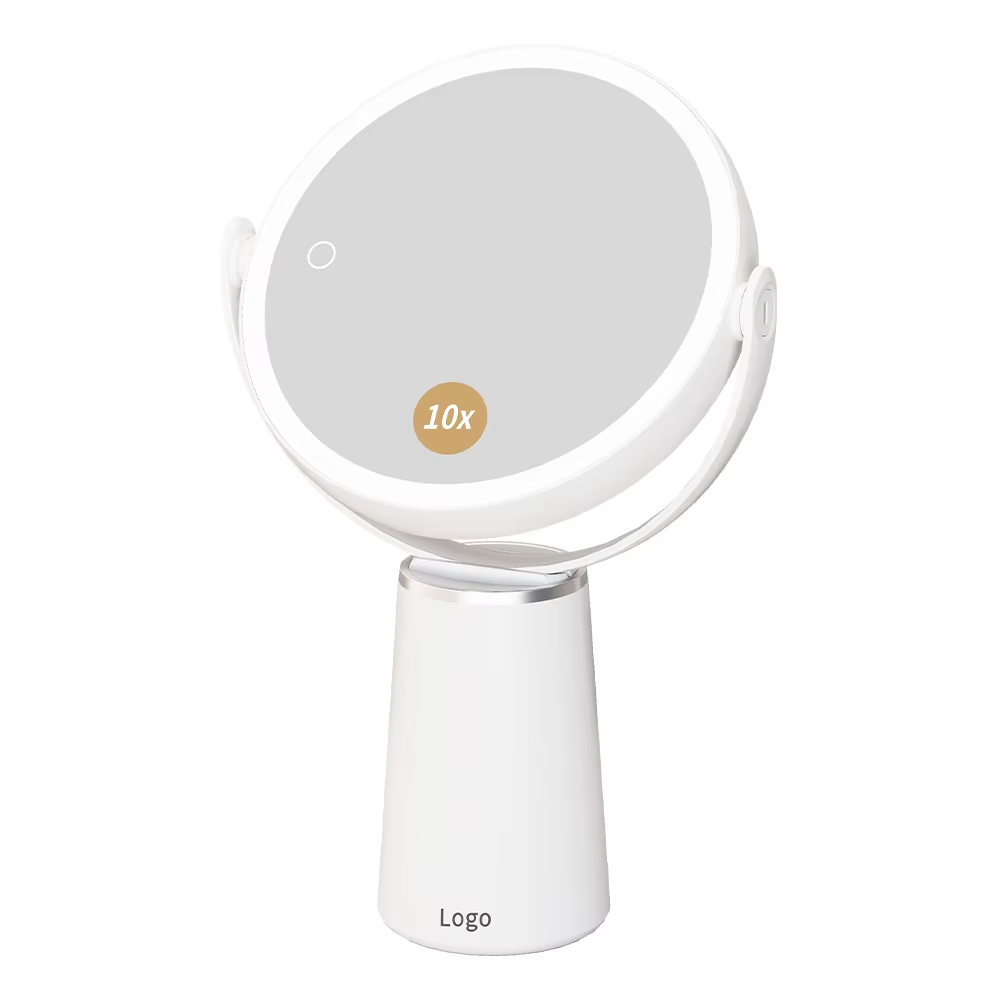
Vertical Space Optimization: Turning Walls into Functional Storage
Why Small Bathrooms Rely on Vertical Expansion Over Horizontal Footprint
Floor space gets tight in small bathrooms, so walls are basically wasted space most of the time. Research indicates around seven out of ten wall surfaces in tiny bathrooms just sit there unused. Floor level storage options tend to take up precious walking room and make things feel cramped. Vertical storage solutions keep those important pathways clear though. Vanity mirrors mounted on walls that come with built-in cabinets turn otherwise empty walls into places where people can actually put stuff they need within reach. No need to give up any floor area either. By going up instead of out, homeowners can stash toiletries, towels, and other bathroom necessities while still maintaining an open layout that feels less cluttered and more usable day to day.
How Integrated Storage Transforms Unused Wall Area into High-Yield Cabinetry
Strategic vertical designs convert blank walls into layered, depth-conscious storage systems. By embedding cabinets behind mirrors, you reclaim over 15 ft² of functional space in a typical 5-am-8 ft bathroom. Depth-limited compartments (<8") ensure minimal protrusion—maintaining clear pathways while housing daily essentials.
| Storage Type | Capacity Increase | Depth Constraint |
|---|---|---|
| Front-access shelves | 120% more than open shelving | ≠6" |
| Recessed medicine cabinets | 200% vs. surface organizers | ≠8" |
This tiered configuration prioritizes frequently used items in front-facing zones while concealing backups behind mirror panels. The result? Horizontal surfaces stay clear, reducing visual clutter by up to 42%.
Spatial Illusion & Clean Aesthetics: Concealed Storage Behind Bathroom Vanity Mirrors
The Psychology of Unbroken Surfaces: Enhancing Perceived Spaciousness
Reflective surfaces that stretch uninterrupted can really change how we see space because of their optical continuity. Mirrored cabinets do double duty by absorbing and spreading light around, which makes rooms look bigger than they actually are and helps fight off that cramped feeling in smaller areas. Hiding stuff away instead of leaving shelves full of products stops the eyes from getting distracted, creating cleaner lines throughout the space. Bathroom vanities with mirrors tend to keep our line of sight moving smoothly along walls, giving the impression of greater depth and openness. Our brains just naturally think continuous flat surfaces take up more room. Studies on small living spaces show that when storage includes mirrors, people generally feel like there's about 20 to 30 percent more space available. Even those extra inches of wall that aren't broken up contribute to this trickery effect, which is why going minimalist works so well in tiny bathrooms where every inch counts.
Depth-Efficient Design: Maintaining <8" Cabinet Depth for Walkway Clearance
Bathroom vanities with shallow storage areas keep those big mirrors from getting in the way when people need to move around. Most industry standards like ADA rules and standard building codes actually suggest cabinets shouldn't go deeper than about 8 inches. This helps everyone use them safely and makes sure doors can open properly without hitting anything. Some really smart designs take this even further, squeezing useful storage down to just 6 or 7 inches deep. They do this through nifty hinges and clever inside arrangements that still let folks reach everything they need without breaking any space rules. The way these units are organized matters too. Daily stuff stays right at the front where it's easy to grab, while things we don't use as often sit back there. This vertical setup keeps counters looking neat instead of cluttered with lots of stuff spread out everywhere. Good design like this follows basic accessibility principles but still works great even in smaller bathrooms where every inch counts.
Clutter Reduction and Counter Space Recovery Through Smart Bathroom Vanity Mirrors
The Countertop Crisis: How 42% of Usable Surface Is Lost to Daily Essentials
Most small bathrooms lose about 40% of their vanity space to all sorts of stuff we need every day skincare bottles, razors, toothbrushes, whatever. When there's no room left, people end up stacking things along the floor or walls, making getting ready a real hassle. The good news? Smart mirrors for bathroom vanities actually fix this problem by hiding all that mess behind the mirror itself. Instead of wasting valuable counter space, these clever designs store items right where they belong behind the glass. Suddenly, what was once a cluttered nightmare becomes a neat workspace perfect for getting dressed in the morning or when multiple people share the same bathroom without stepping on each other's stuff.
Tiered Accessibility Strategy: Front-Facing vs. Rear-Access Compartments
Optimized storage hinges on intentional compartmentalization:
- Front-facing drawers or shelves provide single-motion access to high-use items (toothbrushes, moisturizers, razors)
- Rear-access cavities behind mirror panels securely house backups, medications, or seasonal items
The layered design keeps everything under about 8 inches deep so people can walk around comfortably while still looking clean and uncluttered. When we sort things based on how often they get used, nobody has to rummage through piles anymore. Some research into space management suggests this kind of setup can cut down on time spent searching for stuff by maybe 30 percent give or take. What makes it really useful is that as life changes, the system grows with it all without needing extra room on the floor. Just think about how much easier it would be if the kitchen stayed organized even after adding new gadgets or seasonal items.
Material, Mounting, and Sizing Considerations for Real-World Bathroom Vanity Mirror Performance
Successful bathroom vanity mirrors balance aesthetics with rigorous engineering. Material selection directly impacts longevity: tempered glass with safety film backing is non-negotiable near moisture zones, and copper-free silvering prevents corrosion in humid environments. Mounting must align with structural reality:
- Wall-Mounted Systems: Require direct stud anchoring for mirrors weighing over 50 lbs—a threshold mandated by most building codes
- Adhesive Mounts: Only appropriate for lightweight (sub-10 lb), frameless mirrors in low-humidity powder rooms or guest baths
Sizing follows evidence-based visual ratios proven to enhance proportion and usability:
| Application | Width Rule | Height Rule |
|---|---|---|
| Single Vanity | 70–90% of vanity width | ≌π± vanity height, centered at eye-line |
| Double Vanity | Two mirrors @ 20–28" each | 5" clearance above faucets |
| Powder Rooms | 20–28" (round/oval advised) | Align with ceiling height proportions |
Design professionals universally recommend 2" margins between mirror edges and adjacent walls or light fixtures—to avoid visual crowding and maintain accessibility. Never sacrifice IP44+ wet-area certification for decorative features: enduring performance begins with functional integrity.
FAQ
What are the benefits of vertical storage in small bathrooms?
Vertical storage solutions make use of otherwise wasted wall space, keeping pathways clear while providing functional storage for toiletries and towels. This method maintains an open layout without sacrificing floor area.
How does mirror-backed storage enhance space perception?
Mirrored cabinets absorb and spread light, creating an illusion of increased space through optical continuity. This psychological effect enhances perceived spaciousness in smaller bathrooms.
What considerations are important for bathroom mirror installation?
Material selection, structural mounting, and sizing are crucial. Use tempered glass with safety film backing and adhere to ADA standards for cabinet depth. Proper mounting ensures safety and functionality.
Table of Contents
- Vertical Space Optimization: Turning Walls into Functional Storage
- Spatial Illusion & Clean Aesthetics: Concealed Storage Behind Bathroom Vanity Mirrors
- Clutter Reduction and Counter Space Recovery Through Smart Bathroom Vanity Mirrors
- Material, Mounting, and Sizing Considerations for Real-World Bathroom Vanity Mirror Performance
- FAQ