
 EN
EN

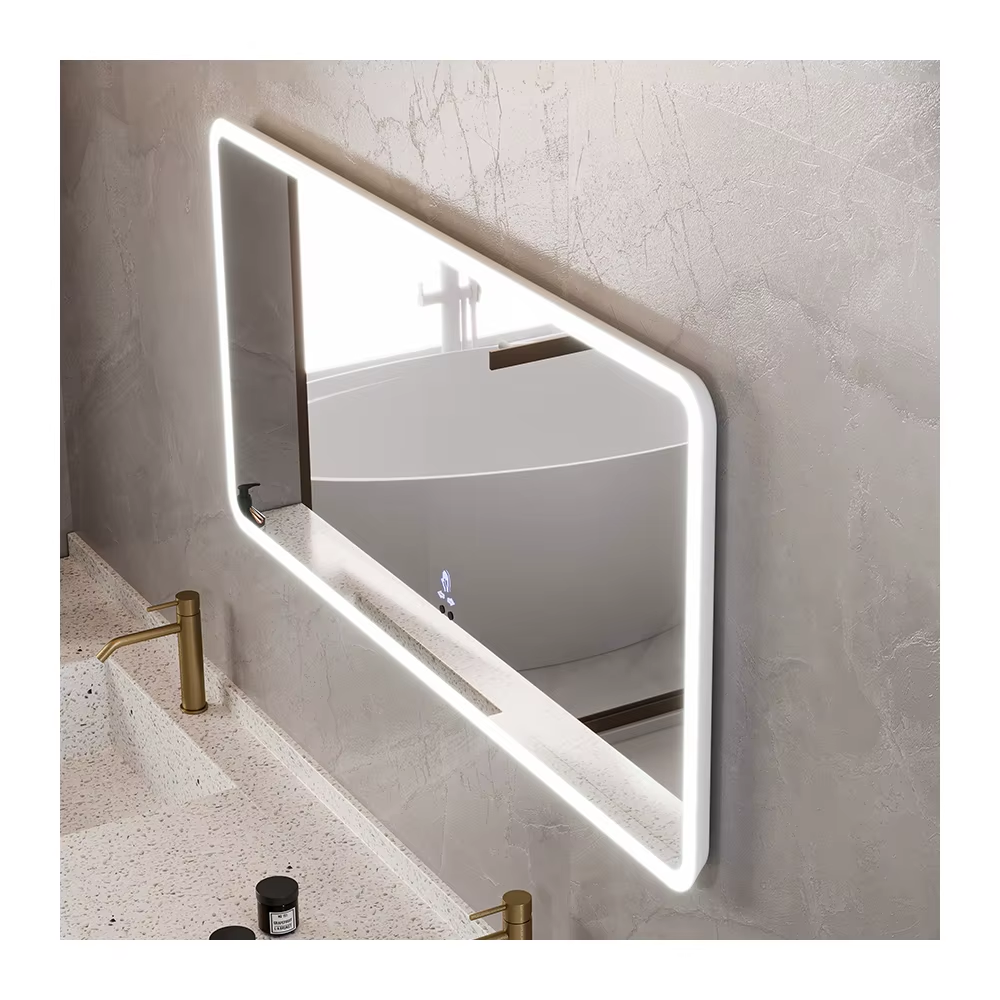
How Anti-Fog Technology Works in Bathroom Vanity Mirrors
Why Fog Forms on Mirrors After Showering
Bathroom mirrors get fogged up after showers because warm moist air hits the colder glass surface, making water vapor turn into liquid at what's called the dew point. When there's a big difference in temperature between the humid air and the mirror itself, we see those tiny water droplets form quickly across the surface. These little droplets mess with the way light travels through them, so instead of seeing our reflections clearly, everything gets blurry and distorted. Most folks notice this effect especially badly during winter months when indoor heating keeps surfaces much cooler than the steamy bathroom environment.
Heated Mirrors: Low-Voltage Resistive Films and Rapid Defogging
Anti fog mirrors that are heated work by having these special TCO films built right into the glass itself, and they run on those safe 12 to 24 volt systems we see everywhere now. The actual heating parts warm up the mirror surface about 2 to 3 degrees Celsius above what's called the dew point temperature. That little bit of extra heat stops moisture from forming without making things too hot for comfort. Most modern versions come with built in sensors that detect when humidity gets high, so they turn on automatically. They don't really eat up much power either, around 30 to 50 watts total which is actually similar to how much light bulbs use these days. And best part? The mirror clears up completely within half a minute or so after turning on. No need to mess with switches or buttons anymore since everything happens automatically, plus the performance stays pretty much the same every time someone uses it.
Coated Mirrors: Hydrophilic vs. Hydrophobic Surfaces and Their Limitations
Non-electric anti-fog solutions rely on surface chemistry to manage condensation:
- Hydrophilic coatings, typically based on silicon dioxide nanoparticles, attract and evenly spread moisture into an ultra-thin, optically invisible film
- Hydrophobic treatments repel water, encouraging droplets to bead and roll off
There are pros and cons to consider when looking at different options. The professionally applied hydrophilic coatings generally last around five years if used normally, but they tend to break down much faster in areas with hard water because minerals accumulate on the surface over time. For those trying cheaper fixes, things like shaving cream work as a quick fix but won't stick around for long usually less than three days before needing reapplication. And here's something important nobody wants to hear: using abrasive cleaners or strong chemicals such as ammonia and vinegar actually ruins these special coatings forever. Once damaged, there's no going back, so it pays off big time to stick with gentler cleaning methods instead.
Real-World Performance of Bathroom Vanity Mirrors in High-Humidity Environments
Fog Resistance Verified: ASTM E283 and IPX4 Test Benchmarks
Good quality mirror makers put their anti-fog claims to the test with standard industry protocols. Take ASTM E283 for instance. This test looks at how much air leaks through mirror assemblies, basically checking if those gaskets and seals are doing their job to keep humid air out of the internal layers. That's really important for mirrors that need to stay clear over time. Then there's IPX4 certification which tells us about splash resistance. Mirrors with this rating have been tested to hold up when exposed to water around showers and sinks where splashing is common. When mirrors pass both these tests, they show about 99% resistance to fogging after going through 5,000 simulated steam cycles according to IEC 60529:2021 standards. These mirrors stay clear and readable even in small bathrooms that don't get much ventilation and where humidity stays high most of the time.
Clarity Timeline Comparison: Heated vs. Coated Bathroom Vanity Mirrors
Heated mirrors clear fog almost instantly, usually within 15 to 30 seconds because they keep their surface warm enough to stay above the dew point. Coated mirrors work differently though. They rely on nature doing its thing. Hydrophilic coatings take around 2 to 4 minutes as water evaporates from the thin film. Hydrophobic ones work when water droplets finally merge and slide off, but this process causes blurry spots during those few minutes. Testing has shown that heated mirrors maintain quick fog clearing (under 10 seconds) for at least seven years straight. Coated mirrors start losing effectiveness after just 18 to 24 months of regular cleaning, and their fog removal gets three times slower over time. For people who need clear visibility right away, especially in safety critical situations, this difference matters a lot.
Top Types of Anti-Fog Bathroom Vanity Mirrors for Modern Bathrooms
LED-Lighted Heated Vanity Mirrors for Grooming Precision
Heated vanity mirrors with LED lighting combine low voltage resistance heating along with high CRI illumination that casts no shadows, making them great for getting ready in the morning. These mirrors clear up fog fast after a hot shower usually within just one or two minutes, and they stay mostly clear even when bathroom humidity gets really high sometimes over 80%. The built in LED lights use about three quarters less power compared to old fashioned incandescent bulbs too. Plus these LED lights tend to last around 50 thousand hours before needing replacement which makes sense from both an efficiency standpoint and practical point of view for everyday bathroom use.
Hybrid Systems: Combining Heating, Lighting, and Smart Controls
Modern hybrid anti fog mirrors bring together three main tech components. First there's the precise resistive heating system that keeps surfaces clear. Then we have adjustable LED lights which can change color temperature depending on what feels right for different times of day. And finally, the smart controls make everything easier to manage through touch panels, voice commands from assistants like Alexa or Google Home, and even via Bluetooth connected apps on smartphones. The whole setup allows people to create their own custom routines too. For instance, many set theirs to start defogging automatically in the mornings while gradually warming up the light colors at the same time. Safety is taken seriously here with proper GFCI protection against electrical hazards and automatic shut off functions when needed. Plus these mirrors meet IPX4 waterproof ratings so they work reliably even in damp bathroom environments. People who've switched to these report saving around 30 minutes each morning compared to traditional mirrors. Maintenance isn't complicated either just grab a soft microfiber cloth regularly to wipe down the surface. This helps maintain clear visibility and extends how long the special coatings last before needing replacement.
Installation, Safety, and Long-Term Care for Bathroom Vanity Mirrors
Hardwired vs. Plug-In Options: NEC, GFCI, and Retrofit Considerations
To get hardwired anti fog mirrors up and running safely, it's really important to have them installed by someone who knows their way around electrical systems. The National Electrical Code has specific rules about installing these in damp areas like bathrooms, mainly because they need Ground Fault Circuit Interrupter protection to prevent shocks when water gets involved. For those looking to upgrade an existing setup, plug in versions make things easier since they don't require major rewiring. Still worth noting though, these need to go into properly protected outlets that are kept away from where water splashes around sinks or showers according to NEC standards. Whatever route is taken, smart shoppers should first check what kind of electrical load their current wiring can handle. Also double check that everything included in the package meets bathroom environment ratings this means looking closely at items like junction boxes and any hardware used for mounting too.
Cleaning and Maintenance Best Practices to Preserve Anti-Fog Performance
Keeping those anti-fog features working properly really comes down to regular maintenance. A good rule of thumb is to wipe down mirrors once a week with a gentle microfiber cloth and something like diluted dish soap works just fine. Stay away from cleaners containing ammonia, vinegar or alcohol though since these can actually damage the special coatings that prevent fogging. When dealing with heated mirror models specifically, be careful not to get water around the edges where the seal meets the glass. Too much moisture there might ruin the wiring inside. Every three months or so, give the mirror a quick look over for any signs of scratches, cloudy spots or worn coatings. After taking a hot shower, check if the fog still clears properly. If anything looks damaged, replace those parts sooner rather than later. This kind of attention helps maintain clear visibility and keeps the mirror functioning well for years to come.
FAQ
How does anti-fog technology work in bathroom mirrors?
Anti-fog technology in bathroom mirrors works either by heating the mirror slightly above the dew point to prevent condensation or by applying coatings that either spread or repel moisture.
What are the benefits of heated mirrors vs. coated mirrors?
Heated mirrors provide rapid fog clearing typically within 15-30 seconds, whereas coated mirrors may take longer. Heated mirrors maintain consistent performance over time, while coated mirrors may lose effectiveness after 18-24 months.
How do I install a hardwired anti-fog mirror safely?
Hardwired anti-fog mirrors should be installed by a qualified electrician following NEC guidelines, ensuring they have GFCI protection to prevent electrical hazards in damp environments.
What maintenance is required to keep anti-fog mirrors effective?
Regularly clean mirrors with gentle solutions and avoid ammonia or vinegar. Inspect for scratches or damage every few months and replace parts if necessary to maintain effectiveness.