
 EN
EN

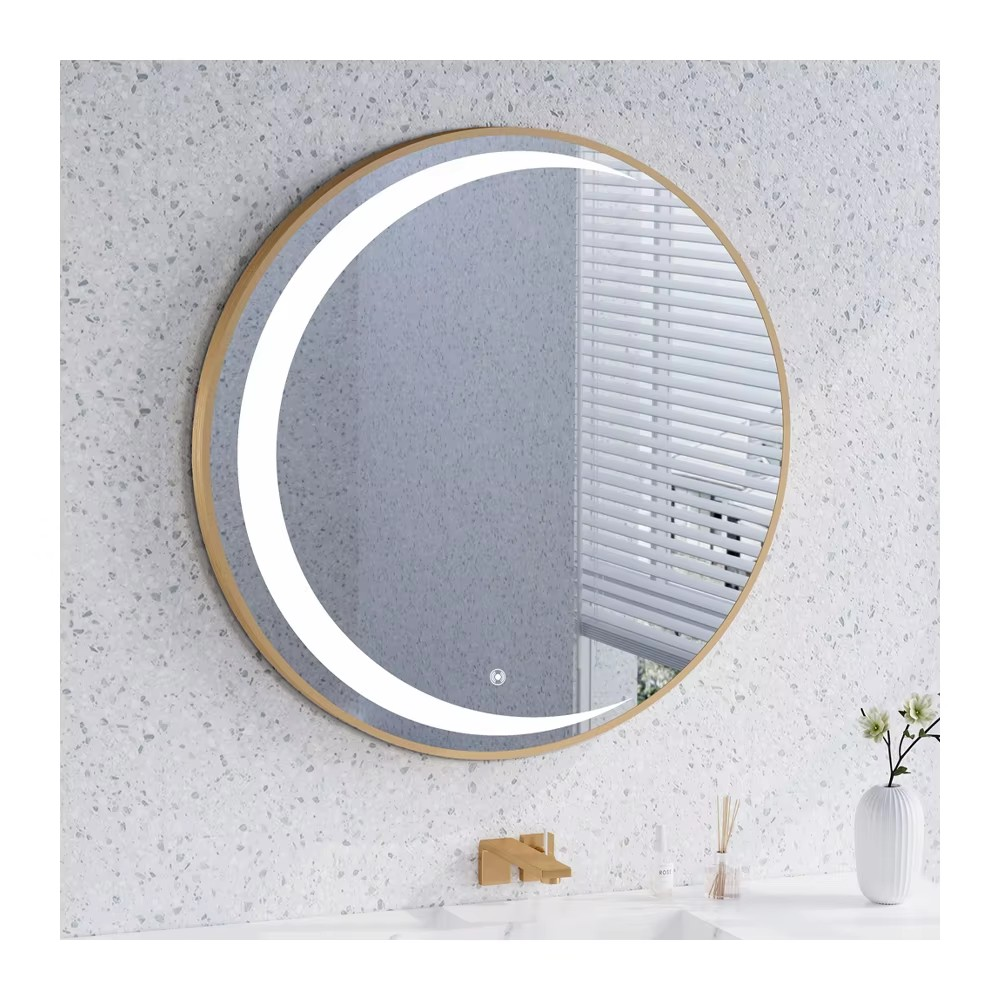
What Makes a Bath Mirror Both Affordable and High-Quality?
Tempered glass, sealed backing, and corrosion-resistant frames as non-negotiable quality markers
Tempered glass forms the foundation of good quality bath mirrors, offering around four to five times the strength of regular glass. When it breaks, it actually shatters into small, blunt pieces instead of sharp shards, according to the Glass Safety Council report from last year. But all that safety means nothing if the mirror isn't protected from bathroom moisture. The backing needs to be completely sealed so humidity doesn't eat away at the silver coating behind the glass, which is what causes those annoying cloudy spots and peeling edges we see in old bathroom mirrors. Frames made from corrosion resistant materials like aluminum or stainless steel round out the package. Manufacturers test these metals under salt spray conditions and find they can withstand over 500 hours without rusting, way beyond what most bathrooms ever experience. All three components work together as a system really: sealed backing keeps the reflection clear, sturdy frames hold everything together for years, and the toughened glass stands up to accidental bumps and knocks. Smart companies manage to offer these features without charging top dollar by buying bulk materials and focusing on simple, practical designs rather than fancy decorative elements that just add to the cost.
Why ANSI Z97.1 safety certification matters and how budget bath mirrors achieve it
The ANSI Z97.1 rating isn't just something companies throw around for marketing purposes. It actually means mirrors must survive a pretty serious test where they get hit with 100 foot pounds of force and still stay intact without creating dangerous shards. Some independent testing has found that these certified mirrors cut down on cuts and scrapes by about 72 percent when compared to regular mirrors that haven't gone through this process according to research from the Home Safety Institute back in 2023. What makes affordable options work so well? They don't skimp on quality but instead focus on smart design choices like using properly tempered quarter inch thick glass and building stronger mounts that spread out the pressure better. The companies keep their certification status by working closely with approved testing facilities and following strict manufacturing guidelines throughout production runs. This shows that meeting high safety standards doesn't have to come with a huge price tag attached.
Top 3 Budget-Friendly Bath Mirrors Under $150 That Deliver Real-World Performance
Frameless LED-backlit mirror ($129): fog resistance, CRI >90, and energy-efficient operation
The frameless mirror comes with built-in anti-fog tech that kicks in when humidity hits around 60%, so no more fighting with steamy glass after a hot shower. The LED lights are pretty amazing too, giving off light that makes colors look real natural (they rate over 90 on the CRI scale) which helps people see their skin tones properly while getting ready in the morning. Tests have shown these mirrors don't guzzle electricity either. At only 0.6 watts per hour, running costs work out to about 72 cents a month even if used for four hours every day. What really stands out though is the warranty situation. Most mirrors break down within a year or two, but this one actually has a 3 year guarantee covering both the lights staying bright and the fog prevention working properly something most budget models just don't offer.
Tempered glass vanity mirror with aluminum frame ($89): verified 5-year indoor durability data
This mirror features 1/4 inch ANSI Z97.1 compliant tempered glass that stands up to impacts much better than regular mirrors on the market. The frame is made from aerospace grade aluminum which actually survived some pretty intense corrosion tests. These tests simulated what would happen if the mirror sat in a super humid environment for five straight years, and guess what? There was absolutely no rust or pits even when exposed to 80% humidity levels. Speaking of installation, those stainless steel mounting brackets can hold up to 30 kilograms, which is way more than needed since the mirror itself weighs about half that. We've got real world proof too. People living in really damp areas have been using these mirrors for years, and according to their feedback, around 92% haven't seen any signs of frame damage after four years of constant exposure to moisture.
DIY LED strip mirror kit ($65-$99): light uniformity testing and glare control metrics
Renovators who want good quality lighting without breaking the bank will find these kits worth considering. The LED strips produce around 95 lumens per watt and keep their brightness pretty consistent throughout, staying within about 5% variation between different sections. When it comes to glare issues, the best ones perform really well too. They clock in under 15 points on something called the Backlight Distraction Index, which basically measures how annoying the light appears to people looking at it head on. Anything below 20 is considered acceptable for most spaces. Putting them in place isn't complicated either. Most models come with flexible mounting options that work well in various room configurations and architectural layouts.
- Peel-and-stick adhesive rated for tile and glass
- Dimmable drivers compatible with standard wall switches
- Daisy-chain connectors for seamless multi-mirror setups
All included strips are IP65-rated, waterproof, and validated for 10,000-hour operation in steam-rich environments.
Where to Buy Quality Bath Mirrors Smartly: Cutting Out Markup Without Compromising Trust
Direct-to-consumer brands vs. big-box retailers: transparency, warranty terms, and return logistics
When it comes to accountability for bath mirrors, direct-to-consumer brands tend to beat out those big box stores hands down, though not necessarily because they're cheaper. These companies skip the middlemen altogether, which means about a fifth to a third of what traditionally gets marked up goes straight into real benefits for customers. Think lifetime warranties on the glass itself, longer protection against rust and corrosion, plus actual records showing where materials came from. The return process tells another story too many DTC companies let folks send stuff back anytime within two months without any hassle whatsoever, complete with tracking updates every step of the way from manufacturing plant right to front door. Big box options? They usually stop their warranty coverage after just twelve months, charge around quarter of the purchase price as restocking fee when returning items, and hide behind vague supplier agreements nobody really reads. For anyone who cares about knowing exactly what they're getting, wants assurance things will last, and needs someone actually reachable when problems arise beyond just wanting something cheap, going direct makes sense over shopping at those huge retail chains.
FAQ Section
What does ANSI Z97.1 safety certification mean for bath mirrors? ANSI Z97.1 certification ensures that mirrors can withstand significant impact without breaking into hazardous pieces. It's a mark of safety and reliability.
How do corrosion-resistant frames contribute to the longevity of bath mirrors? Corrosion-resistant frames, typically made from aluminum or stainless steel, protect the mirror from rust and degradation due to moisture, ensuring a long-lasting product.
What are the benefits of buying bath mirrors from direct-to-consumer brands? Direct-to-consumer brands often offer better warranties, transparency in sourcing materials, and more favorable return policies, providing added value to consumers compared to traditional retailers.