
 EN
EN

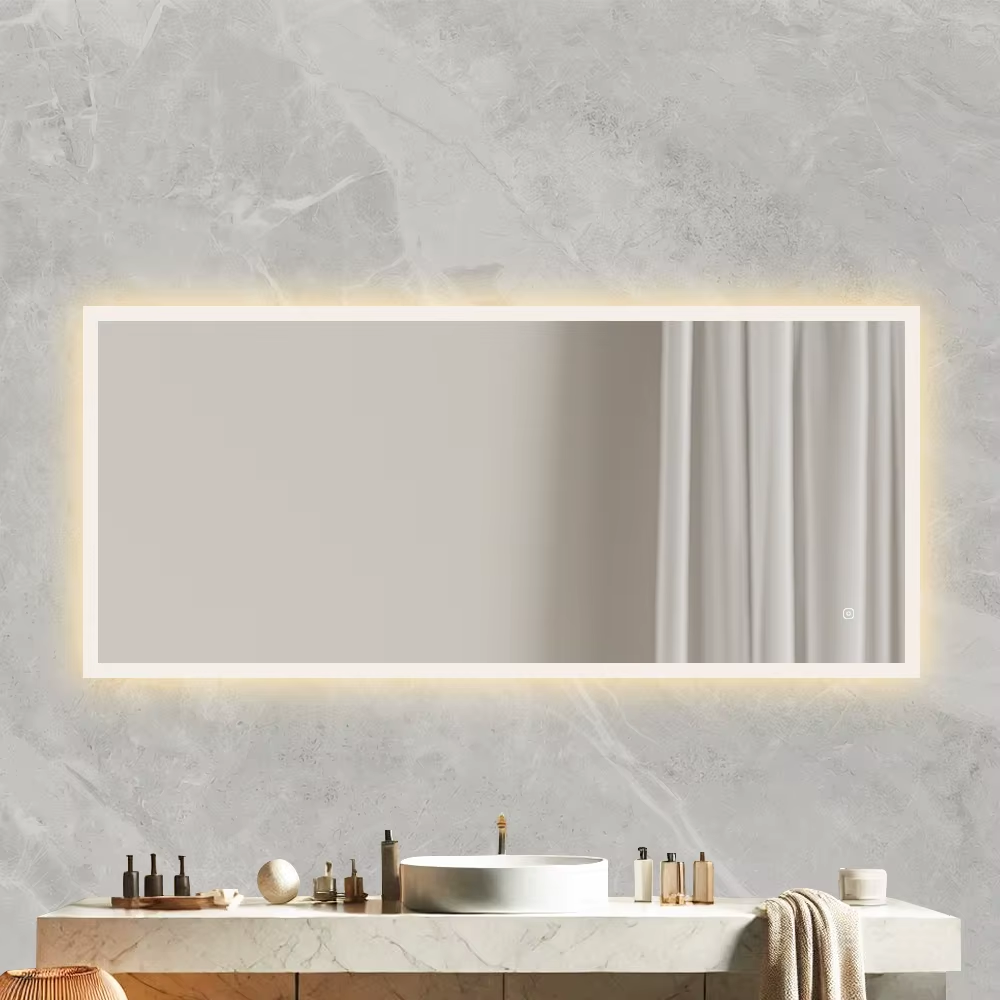
Why Transitional Bath Mirrors Solve Dual-Style Challenges
When trying to decorate bathrooms that mix modern minimalism with traditional elegance, many homeowners run into a tricky situation. Transitional bath mirrors help solve this problem by combining sleek, contemporary shapes with touches inspired by older designs. These mirrors don't go too far either way. They steer clear of those stark, almost clinical industrial looks we see so much these days, but also skip the heavy ornamentation that feels outdated. What makes them work is their ability to stand out while still fitting right in. Bathroom designers love them because they can complement both simple white tile walls and richer wood accents without looking out of place.
Their effectiveness lies in three strategic principles:
- Proportion: Shapes like rounded rectangles offer clean lines that feel fresh yet timeless
- Material Fusion: Sleek metallics paired with warm wood tones create layered sophistication
- Detail Modulation: Simplified interpretations of classic molding profiles offer subtle nods to tradition
Getting the right balance stops those ugly fights between bathroom fixtures and the overall design. Think about how a simple mirror can tie everything together so brushed nickel taps work just fine next to old fashioned clawfoot baths. This kind of setup gives homeowners breathing room when trends come and go, and lets them update their style without starting from scratch every few years. Finding that sweet spot in design doesn't mean settling for second best. It's really about making smart choices that stand the test of time rather than chasing whatever looks good this season.
Top Bath Mirrors That Bridge Modern and Traditional Aesthetics
Arched and Oval Bath Mirrors: Timeless Silhouettes with Universal Appeal
Bath mirrors with arches and ovals offer something special when it comes to versatility. The gentle curves help tone down those sharp angles often found in modern bathrooms, yet these designs still work across different styles from vintage to ultra-modern. Classic shapes bring a touch of old world charm, while the simpler forms have that clean, modern feel we see everywhere now. Straight-edged mirrors just don't cut it compared to arched ones which bring some nice fluid movement into the space. They look great next to subway tiles or beside a clawfoot tub, on top of marble counters or against rough brick walls. A recent survey of bathroom designers showed that almost seven out of ten professionals recommend curved mirrors for spaces where traditional meets contemporary. These mirrors somehow manage to blend materials that would normally clash, like pairing smooth marble with raw concrete without making things look messy.
Minimalist Rectangular and Frameless Bath Mirrors for Clean, Era-Agnostic Impact
Frameless rectangular mirrors are becoming a go to option for homeowners wanting to blend old and new styles during renovations. These mirrors have simple edges that reflect light beautifully throughout small bathroom spaces without sticking to any particular design style. When there's no frame around them, they create a neutral background that lets other elements shine through, like those classic wall lights from the 80s or sleek modern sink designs. Many interior designers now incorporate these mirrors into projects where traditional crown molding sits alongside contemporary floating vanities. Putting them vertically can make cramped ceilings feel higher, while horizontal placement helps open up tight spaces between walls. According to recent data from the National Kitchen & Bath Association, about four out of five successful bathroom makeovers include this kind of mirror strategy in their design plans.
Frame Materials and Finishes That Work in Any Bathroom Style
What frame material and finish we pick for bathroom mirrors really matters when blending different design styles together. Good quality mirrors work well whether installed next to sleek contemporary sinks or against older stone walls. Choosing neutral colors helps avoid ugly mismatches with whatever vanity or tile is already there. Plus, materials that can handle damp air last much longer than cheaper alternatives. Going for versatile options means homeowners won't need to replace mirrors every few years just because their taste changes or new bathroom trends come along. This saves money in the long run while keeping the space looking fresh no matter what decade it is.
Brass, Brushed Gold, and Matte Black: Versatile Metallic Finishes for Bath Mirrors
Metallic finishes really shine when it comes to bath mirrors that need to work in spaces blending different styles. Take brass for example. It brings warmth and old fashioned elegance but somehow still looks modern too, especially next to sleek lines. The golden tones just seem to go with everything from fancy marble countertops to simple wooden vanities. Then there's brushed gold which offers a kind of quiet luxury. It manages to connect the charm of vintage pieces with today's minimalist trends because it doesn't reflect light so much. Matte black is another winner creating strong visual impact in decorative bathrooms while adding depth without overwhelming minimalist designs. What makes these options stand out? They all resist moisture damage, work well with almost any color scheme, and have staying power through changing design fads. These qualities make them great choices for bathroom mirrors that will remain stylish even as other elements get updated over time.
Practical Tips for Selecting Bath Mirrors That Enhance Both Styles
When picking out bath mirrors that work for both contemporary and classic bathroom styles, size, placement, and overall design balance matter most. With single sink vanities, go for a mirror that covers around two thirds of the counter space, ideally leaving 4 to 6 inches between the mirror edges and vanity sides to keep things looking proportional. Double sink setups offer more options though. Some folks prefer putting identical mirrors over each basin for symmetrical appeal, while others install one large mirror that spans across both sinks to create a continuous look. The mirror should sit roughly 4 to 6 inches above the sink surface, making sure there's at least 5 inches clearance below so water doesn't splash onto it during use. Frame colors like brushed brass, matte black, or natural wood tones tend to work best since they pair nicely with modern chrome fixtures as well as older oil rubbed bronze hardware. In smaller bathrooms, frameless or ultra thin mirrors are generally better choices because they let in more light without feeling heavy visually.
| Consideration | Modern Bathroom Tip | Traditional Bathroom Tip | Dual-Style Solution |
|---|---|---|---|
| Frame Finish | Sleek metals (brushed nickel) | Ornate details (carved wood) | Matte black/unfinished wood |
| Size Relative to Sink | Mirror width = sink width + 2" | Mirror width = sink width + 4" | Vanity width, centered |
| Lighting Integration | Backlit LED strips | Sconce flanking | Sconces + overhead combo |
FAQ
What is a transitional bath mirror?
A transitional bath mirror combines contemporary designs with traditional touches, making it suitable for mixed-style bathrooms.
Why are frameless mirrors becoming popular?
Frameless mirrors offer a clean look that blends well with both modern and traditional styles, reflecting light effectively without a specific design bias.
What frame materials work best in transitional bathrooms?
Brass, brushed gold, and matte black finishes are ideal as they resist moisture and complement a range of color schemes and styles.