
 EN
EN

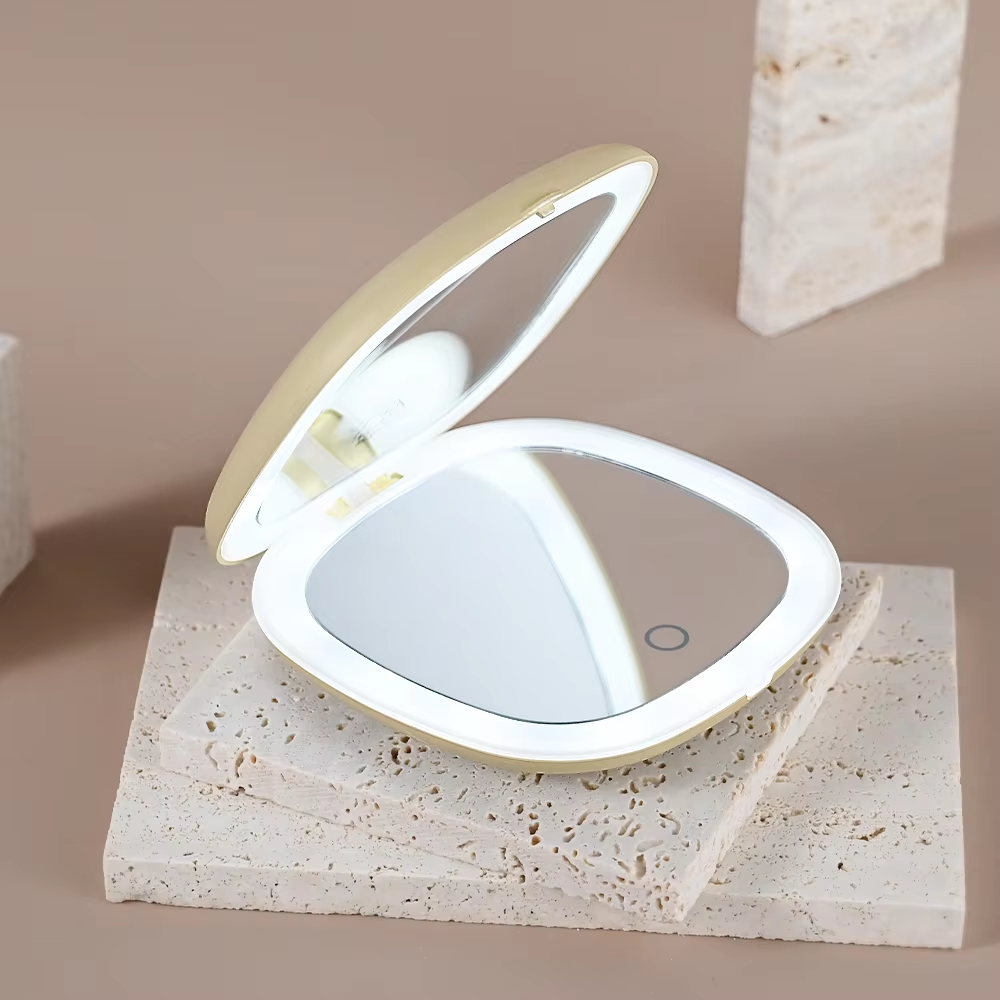
Adjustable Positioning: Tilt, Height, and Stability for Neutral Posture
Optimal Tilt Range (−15° to +90°) and Cervical Load Reduction
Getting the right tilt on a lighted makeup mirror makes all the difference when it comes to neck pain. Studies indicate keeping our neck at around 0 to 20 degrees instead of bending forward dramatically cuts down on strain in the neck area by roughly 40 percent according to research published in the Journal of Biomechanics last year. Mirrors that can adjust from minus 15 degrees up to plus 90 work well for people sitting down or standing up because they match what we normally see without forcing us into awkward positions where our heads stick out in front of our bodies, which causes a lot of back problems over time. Good quality mirrors often come with heavy bases or non-slip feet so once we set them just right, they stay put instead of needing readjustment every few minutes while getting ready.
Height Adaptability Across User Stature: Aligning with ANSI/HFES 100-2022 Guidelines
Adjustable height is really important when it comes to fitting people of all different body types. According to those ANSI/HFES standards from 2022, good mirror setups need to work for folks ranging from around 4 foot 11 inches up to 6 foot 2. That means most adults can find a comfortable spot. Telescoping poles or wall-mounted options that move up and down about six to twelve inches help keep shoulders in a natural position. If these adjustable systems also include some kind of tilt feature, then users can get their elbows into that sweet spot between ninety and one hundred twenty degrees. Research published in Clinical Biomechanics back in 2021 found this setup actually cuts down on strain in the trapezius muscles by roughly thirty percent. And let's not forget about stability issues either. Mirrors designed with non-tip features and proper center of gravity calculations make adjusting heights much safer overall.
Ergonomic Lighting in a Makeup Mirror with Lights: Color Accuracy, Dimmability, and Shadow Control
5000K Daylight Temperature and CRI >90 for True-Color Application
Makeup mirrors with built-in lighting need good color rendering so people can apply cosmetics properly. Lights that balance around 5000K simulate what we see outside during the day, cutting down on those weird color casts that mess up foundations and eyeshadows. When paired with a Color Rendering Index above 90, colors look much closer to reality. This helps show off all those little undertones and blending details that cheaper LED lights tend to hide. Getting accurate colors matters because otherwise makeup might look great at home but then totally clash when stepping into sunlight later.
Smooth 10%–100% Dimming and Uniform Light Distribution to Prevent Eye Strain
The ability to adjust brightness matters a lot when it comes to comfortable lighting. Mirrors that can dim from 10% all the way to 100% work really well in different situations throughout the day. Think about early morning makeup prep versus late night touch ups. These mirrors don't make our eyes work too hard since they avoid causing pupil fatigue. Good light spread across the face is just as crucial though. Edge lit mirrors with those soft diffusion panels get rid of those annoying dark shadows on cheeks and forehead areas. People tend to tilt their heads when there are harsh shadows, which isn't great for posture. Studies from optometrists show that this kind of even lighting cuts down on eye strain by around 30%. Less squinting happens naturally, and folks maintain better neck alignment while spending time getting ready in front of these mirrors.
Magnification and Form Factor: Enhancing Detail Without Compromising Posture
2x–5x Magnification Sweet Spot: Minimizing Neck Flexion per NIH Biomechanics Data
Makeup mirrors with lighting typically work best when they offer around 2 to 5 times magnification. This range gives enough clarity to see what needs fixing without making someone crane their neck uncomfortably. If the magnification is too low, below 2x, people tend to lean in closer which can strain the neck muscles quite a bit according to some studies from NIH about body mechanics. On the flip side, anything above 5x magnification requires staying super still and making tiny adjustments that actually makes the shoulder muscles work harder, sometimes up to 58% more effort. Most folks find the sweet spot between 12 and 18 inches away from the face works well for looking at details without causing discomfort or misalignment of the head.
Oblong vs. Circular Design: Full-Face Coverage Without Excessive Head Rotation
The elongated shape of mirrors actually works better for our faces than those round ones we often see. Most people find that the 3:2 ratio gives them about 40% more space horizontally than a circle with the same surface area. This means folks don't have to twist their heads so much when looking at their temples or jawline - studies show this cuts down on sideways head movements by around 70%. Round mirrors tend to limit what we can see at the edges, forcing us to keep turning our necks back and forth just to check from ear to ear. Oblong frames help too with makeup application since they reduce how much our eyes need to move up and down while blending foundation. Compared to round mirrors, these rectangular shapes cut vertical eye movements in half, which helps maintain a more comfortable posture during those lengthy morning routines when getting ready takes forever.
Intuitive Controls: Reducing Repetitive Motion in Daily Use of a Makeup Mirror with Lights
Good control design cuts down on those annoying repetitive motions that wear people out over time. These days, most devices come with touch screens, gesture recognition, or even voice activation options. No more fumbling with buttons or twisting dials until hands get sore from constant use. Just give it a quick tap or say what needs changing, and the brightness adjusts or lighting mode switches while keeping the body in a comfortable position. The whole experience feels much smoother than older systems required. People actually enjoy using these products now because they don't have to fight against them anymore.
FAQ
How does mirror tilt affect neck posture?
Adjusting the mirror tilt to align with your natural eye level reduces neck strain by keeping your head in a neutral position, significantly reducing cervical load.
What is the importance of lighting in makeup mirrors?
Proper lighting, specifically around 5000K with CRI above 90, ensures true-color application by accurately representing colors, reducing color mismatches.
Why is adjustable height crucial for mirrors?
Adjustable height accommodates different statures, aligns shoulders naturally, and reduces muscle strain by promoting better posture.
What magnification is ideal for makeup mirrors?
A magnification range of 2x-5x offers clarity without compromising posture, preventing excessive neck flexion and subsequently reducing muscle strain.
Table of Contents
- Adjustable Positioning: Tilt, Height, and Stability for Neutral Posture
- Ergonomic Lighting in a Makeup Mirror with Lights: Color Accuracy, Dimmability, and Shadow Control
- Magnification and Form Factor: Enhancing Detail Without Compromising Posture
- Intuitive Controls: Reducing Repetitive Motion in Daily Use of a Makeup Mirror with Lights
- FAQ