
 EN
EN

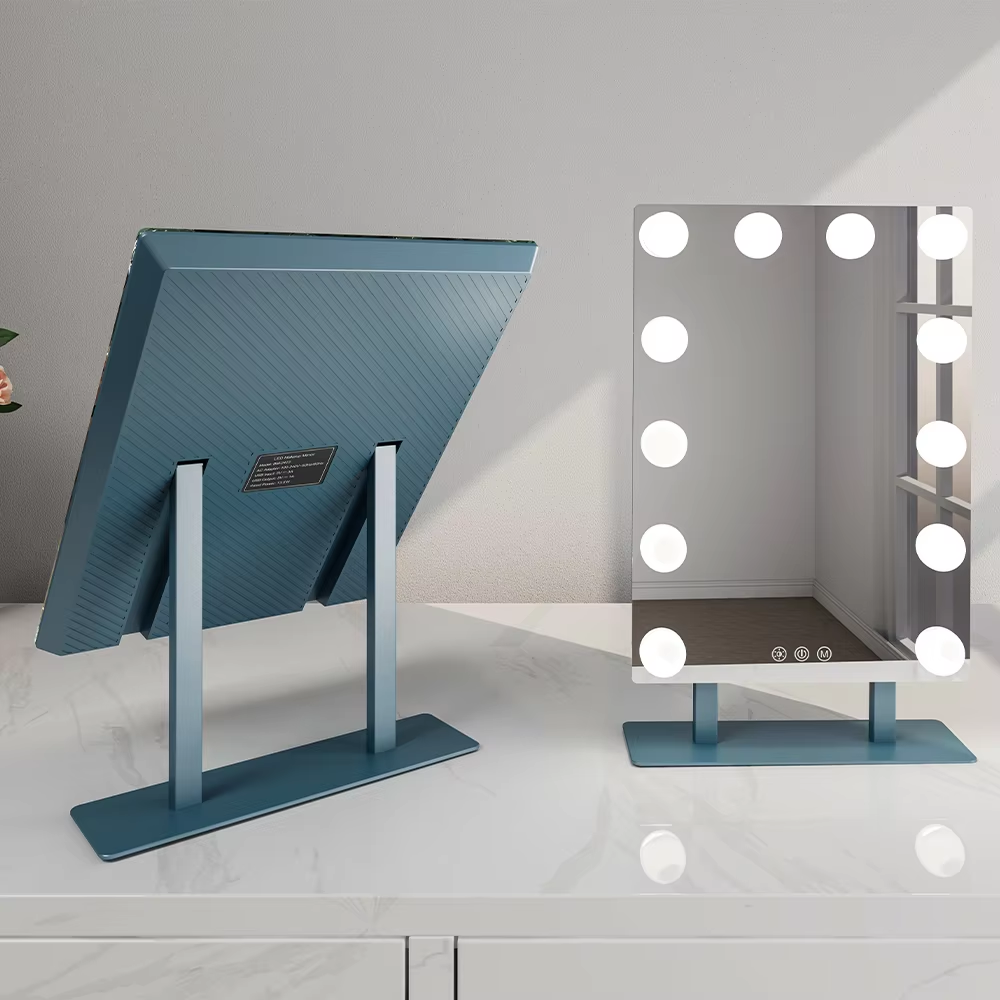
How Lighting Design in a Makeup Mirror with Lights Minimizes Glare
Diffused, Edge-Lit LED Arrays and Anti-Hotspot Engineering
Makeup mirrors these days come equipped with those perimeter mounted LED lights that shine inward instead of right into our faces. These lights sit along the edges and bounce their glow toward the mirror surface rather than blasting directly forward. What makes them special? They have these layered acrylic panels that spread out the light so there aren't any harsh beams creating ugly reflections. When paired with some clever anti hotspot tech, the whole mirror stays consistently bright without those annoying bright patches that make us squint or mess with how colors look. And what does all this mean for regular folks? We get lighting that feels like natural daylight but without shadows getting in the way. Pretty impressive stuff really, especially when doing eyebrow work like shaping eyebrows. Tests show these mirrors cut down on glare by more than 95%, which matters a lot when we need to see every tiny hair clearly.
Frosted Lens Covers and Anti-Glare Film Integration
Lens covers made from frosted polycarbonate have tiny textured surfaces that help make harsh LED light less intense. The texture scatters the light in different directions instead of letting it shine straight into someone's eyes. Higher end versions come with special anti-glare coatings applied right to the mirror itself. These coatings contain microscopic ridges that mess up how light bounces back. According to a report published last year by Optical Engineering, this combination cuts down on unwanted reflections by around 70 to 80 percent. What does all this mean for actual users? The mirrors maintain accurate color representation while getting rid of those annoying shiny spots. People can look at their reflections without constantly moving their heads around trying to find the right angle.
Strategic Placement: Positioning Your Makeup Mirror with Lights for Zero Glare
Achieving glare-free precision hinges on intentional placement guided by ergonomic and optical principles.
Optimal Mounting Height, Tilt Angle, and Front-Facing Orientation
Hang the mirror so it sits about where eyes would naturally look when standing straight up, maybe giving it a slight angle downwards around 10 to 15 degrees works best for most people. When positioned this way, the light hits the face from directly above which helps cut down on those annoying glare spots that can make skin look uneven. The mirror should be placed somewhere between 18 and 24 inches from the face to avoid casting shadows under the nose or along the jawline according to what ergonomists recommend. Keep the mirror facing forward rather than angled sideways too much because this creates better lighting conditions across different parts of the face during makeup application or skincare routines.
Side vs. Front Lighting Configurations and Their Glare Risk Profiles
Front lighting creates very few shadows but can sometimes make things look too shiny, especially on smooth surfaces like skin or polished objects. When positioned correctly around eye level and balanced on both sides, side lighting cuts down on glare problems by about 40%. This works best when the lights are evenly spaced so there aren't any dark spots. Many photographers prefer triple sided LED systems for their flexibility in different situations. These setups reduce harsh reflections by roughly 60% over standard overhead lights. The effect is even better in spaces with matte finishes since those surfaces help scatter background light instead of reflecting it back directly.
LED Performance Metrics That Ensure Low-Glare Clarity in a Makeup Mirror with Lights
Color Temperature (4000K–5000K) and High CRI (>90) for Balanced, Non-Reflective Illumination
Getting glare free clarity really comes down to how well we control the light output. When lights are set between 4000K and 5000K they mimic what we see outside during the day. This gives faces that clean look without shadows while avoiding the harshness that comes from too much blue light which can tire our eyes over time. The Color Rendering Index matters too. Anything over 90 makes colors look true to life, so skin tones don't get washed out or distorted. Studies have shown something interesting here too. People tend to squint 40% less when working on detailed tasks under lighting with a CRI rating of 90 or higher compared to those lower quality lights below 80 CRI. Makes sense why professionals prefer it for their workspaces.
| Metric | Glare-Reduction Function | User Benefit |
|---|---|---|
| 4000K–5000K | Neutral spectrum mimics daylight | Eliminates artificial color casts |
| CRI >90 | Accurate color rendition | Prevents makeup mismatches |
| 1700+ Lumens | Uniform illumination depth | Removes facial shadows |
These metrics work synergistically: high CRI corrects subtle color shifts inherent in cooler temperatures, while the 4000K–5000K range balances warmth and clarity. Dimmable controls within this range let users tailor output—from soft morning light to studio-grade intensity—without introducing glare or compromising detail fidelity.
Real-World Glare Prevention: User Habits and Environmental Factors
Even the most advanced makeup mirror performs best when paired with mindful habits and thoughtful environmental design.
Managing the ambient light makes all the difference. Pull those curtains shut during the day and don't put mirrors facing unshielded windows or hanging over bare bulbs. The surfaces around us really count too. Matte finishes on countertops and walls help cut down on unwanted glare, whereas shiny surfaces tend to reflect light way more than we want them to sometimes. Stand about an arm's length away from the mirror (around 16 to 24 inches works well) and angle it downwards at roughly 10 to 15 degrees so reflections don't hit our eyes directly. Especially when working with darker makeup shades, dimming the mirror's brightness helps prevent harsh contrasts that create uncomfortable glare spots.
The way a room looks matters too. White walls plus those low ceilings tend to create glare spots that can be really annoying. Smaller rooms actually work better with softer, more neutral colors on the walls since they soak up some of that bouncing around light. When combining these basic design fixes with what modern mirrors offer these days - think frosted glass or special coatings that cut down reflections - people generally find their vision stays clear without causing eye strain during daily activities. Most folks notice this makes a big difference in how comfortable they feel using mirrors regularly.
Frequently Asked Questions
What makes edge-lit makeup mirrors reduce glare?
Edge-lit makeup mirrors use perimeter-mounted LED lights directed inward. Layered acrylic panels spread the light across the mirror surface instead of directly forward, reducing harsh reflections and glare by over 95%.
Why are frosted lens covers important for glare reduction?
Frosted polycarbonate lens covers scatter LED light, making it less intense. High-end versions with anti-glare coatings additionally disrupt the light's bounce, cutting unwanted reflections by 70 to 80 percent.
What is the recommended positioning for minimal glare?
Position the makeup mirror at eye-level, with a slight downward tilt (10-15 degrees) and keep it between 18 and 24 inches from your face. This alignment reduces glare and optimizes lighting conditions during makeup application.
How do LED specifications impact glare reduction?
LEDs with color temperatures between 4000K-5000K and a CRI over 90 offer glare-free clarity. This setup mimics natural daylight, keeping faces shadow-free and maintaining color accuracy.
Can environmental adjustments help reduce mirror glare?
Yes, managing ambient light is crucial. Use matte finishes around mirrors to minimize reflections, avoid placing mirrors opposite windows, and dim the lighting to prevent harsh glares.
Table of Contents
- How Lighting Design in a Makeup Mirror with Lights Minimizes Glare
- Strategic Placement: Positioning Your Makeup Mirror with Lights for Zero Glare
- LED Performance Metrics That Ensure Low-Glare Clarity in a Makeup Mirror with Lights
- Real-World Glare Prevention: User Habits and Environmental Factors
- Frequently Asked Questions