
 EN
EN

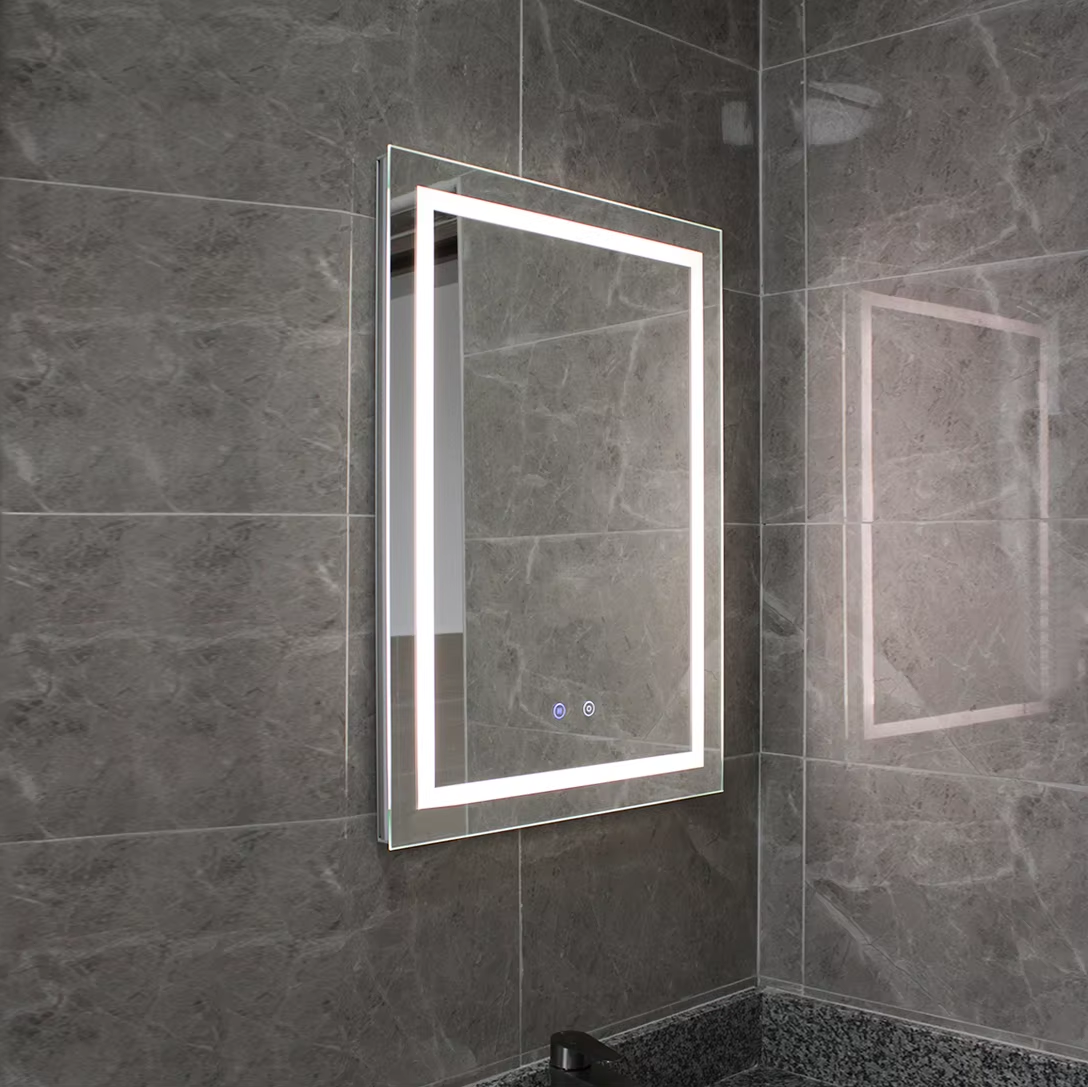
Vanity Mirror Shapes and Proportions for Bedroom Dressers
How Round, Oval, Rectangular, and Arch-Shaped Vanity Mirrors Affect Spatial Perception
The shape of mirrors really affects how we see our bedroom spaces. Rectangular vanity mirrors work great for those who want to highlight straight lines and modern designs, especially when placed over dresser units that have sharp angles or contemporary styling. On the flip side, round and oval mirrors tend to make rooms feel less rigid because they bring in those soft curves that balance out square furniture pieces. These circular options create nice spots where the eyes naturally rest without feeling too forced. For people dealing with lower ceilings, arch shaped mirrors can be a smart choice since they direct attention upwards from the dresser area. The oval version does something similar but isn't quite so dramatic looking, which makes it perfect for homes that sit somewhere between traditional and modern styles.
Ideal Vanity Mirror Dimensions: Balancing Visual Impact and Dresser Proportion
Proper sizing ensures the mirror complements—not competes with—your dresser. Follow these time-tested proportional guidelines:
- Mirror width should be ⅔ to ¾ of your dresser’s width
- Height should not exceed ¾ of the dresser’s height
- Hang the mirror so its bottom edge sits 6–8 inches above the dresser surface, centering the reflection at seated eye level
Take a look at this pairing rule of thumb: when someone has a 60 inch wide dresser, they'll generally want something around 40 to 45 inches across for their mirror. And if the dresser itself measures 36 inches, then going with a mirror between 24 and 27 inches tends to work really well together. These proportions help avoid situations where small mirrors just don't seem to fit right next to furniture, or big mirrors end up making everything else look tiny by comparison. Shapes matter too when it comes to how we see things. Arched frames tend to draw the eye upward, creating a sense of height. On the flip side, rectangular mirrors with broad bases can actually make spaces feel wider than they are, which is pretty neat when thinking about interior design tricks.
Frame Design and Finish: Elevating Style Cohesion with Your Dresser
Framed vs. Frameless Vanity Mirrors – When Each Enhances Bedroom Aesthetics
Vanity mirrors come in two main styles: framed and frameless, each bringing something different to a space. Framed mirrors definitely make a statement. Those ornate gold frames look amazing in traditional bedrooms, adding a touch of old world charm. For modern spaces, thin black metal or brushed nickel frames work wonders, giving rooms that sleek contemporary feel. But let's be honest, sometimes those thick frames just take up too much visual space on small dressers or clash with fancy drawer pulls. Frameless mirrors have their own appeal though. The clean lines reflect more light and make rooms feel bigger, which is why they're so popular over tiny vanities or glossy surfaces in minimalist bathrooms. If a room feels empty or needs a focal point, go with a framed mirror. When the goal is to maximize light and create seamless flow between elements, frameless tends to win out every time.
Matching Vanity Mirror Frame Materials (Wood, Metal, Acrylic) to Dresser Finishes
Getting the materials right when matching mirror frames to dresser finishes makes all the difference in creating a cohesive look. Wood frames work best with wood dressers generally speaking. Try to find similar wood types and stains if going for that warm, unified feel. White oak with white oak creates continuity, but mixing different grain patterns can be intentional too. Walnut over ash adds nice contrast without clashing. When it comes to metal frames brass, chrome or matte black options need to match what's already there. Brass mirrors go well with those old fashioned brass drawer pulls, whereas polished nickel looks good alongside stainless steel details elsewhere in the room. Acrylic frames are pretty versatile actually, especially around shiny lacquered or high gloss dressers since they don't add much visual bulk. Keep an eye on color undertones though warm metals like brass or bronze work better with warmer woods such as cherry or mahogany, while cooler metals including chrome or nickel tend to look better against grays or white oaks.
Functional Integration: Placement, Lighting, and Ergonomics for Daily Use
Optimal Mounting Height and Centering Techniques for Vanity Mirrors on Dressers
When installing a vanity mirror, position the center somewhere around 40 to 45 inches off the ground. This height matches where most people sit when getting ready, making things much easier on the eyes during those morning routines. Place it right in the middle of the dresser surface ideally matching up with where the face sits so everyone can see their whole reflection without craning their neck uncomfortably. Give about 4 to 6 inches space between the mirror edges and the sides of the dresser frame. This little gap makes everything look better visually. On bigger dressers, try to have the mirror take up roughly half to three quarters of the available space. Too small feels awkward, but too big might overwhelm the area. And remember, if mounting against the wall, always go through actual wood studs whenever possible. For heavier mirrors with frames or built-in lighting, this becomes absolutely essential safety-wise. Nobody wants their expensive mirror falling down later!
Built-in Lighting Options and Ambient Light Pairing for a Flattering Vanity Experience
LED lighting integrated into vanity areas works wonders, particularly those strip lights that can adjust between warm (around 2700K) and cooler tones (up to 5000K) while maintaining a Color Rendering Index above 90. These provide smooth, even lighting across faces that makes applying makeup and doing skincare so much easier. For best results, combine these task lights with some ambient ceiling lighting set around 3000K to keep things feeling cozy rather than clinical. Place extra light sources at about a 45 degree angle away from mirrors to cut down on harsh reflections and create depth in the lighting effect. The goal should be somewhere between 1500 and 3000 lux on the actual vanity surface area. According to guidelines from the Illuminating Engineering Society, we really need at least 1500 lux for proper visibility when doing grooming work. Don't just go with overhead lights though they tend to cast those awful shadows under eyes, cheeks, and along jawlines that nobody wants to see. Getting dimmer switches installed adds another layer of control, allowing adjustment based on what time it is or what specific task needs doing.
FAQ Section
What mirror shape is best for small bedrooms?
Round and oval mirrors are ideal for small bedrooms as they introduce soft curves that balance out the space.
How high should a vanity mirror be mounted on a dresser?
The ideal height for mounting a vanity mirror on a dresser is around 40 to 45 inches from the ground.
Should I choose a framed or frameless vanity mirror?
Choose a framed mirror for a statement piece or a frameless one to maximize light and create seamless flow in the space.
What type of lighting is best for vanity mirrors?
Integrated LED lighting that can adjust between warm and cooler tones, combined with ambient ceiling lighting, is ideal for vanity mirrors.