
 EN
EN

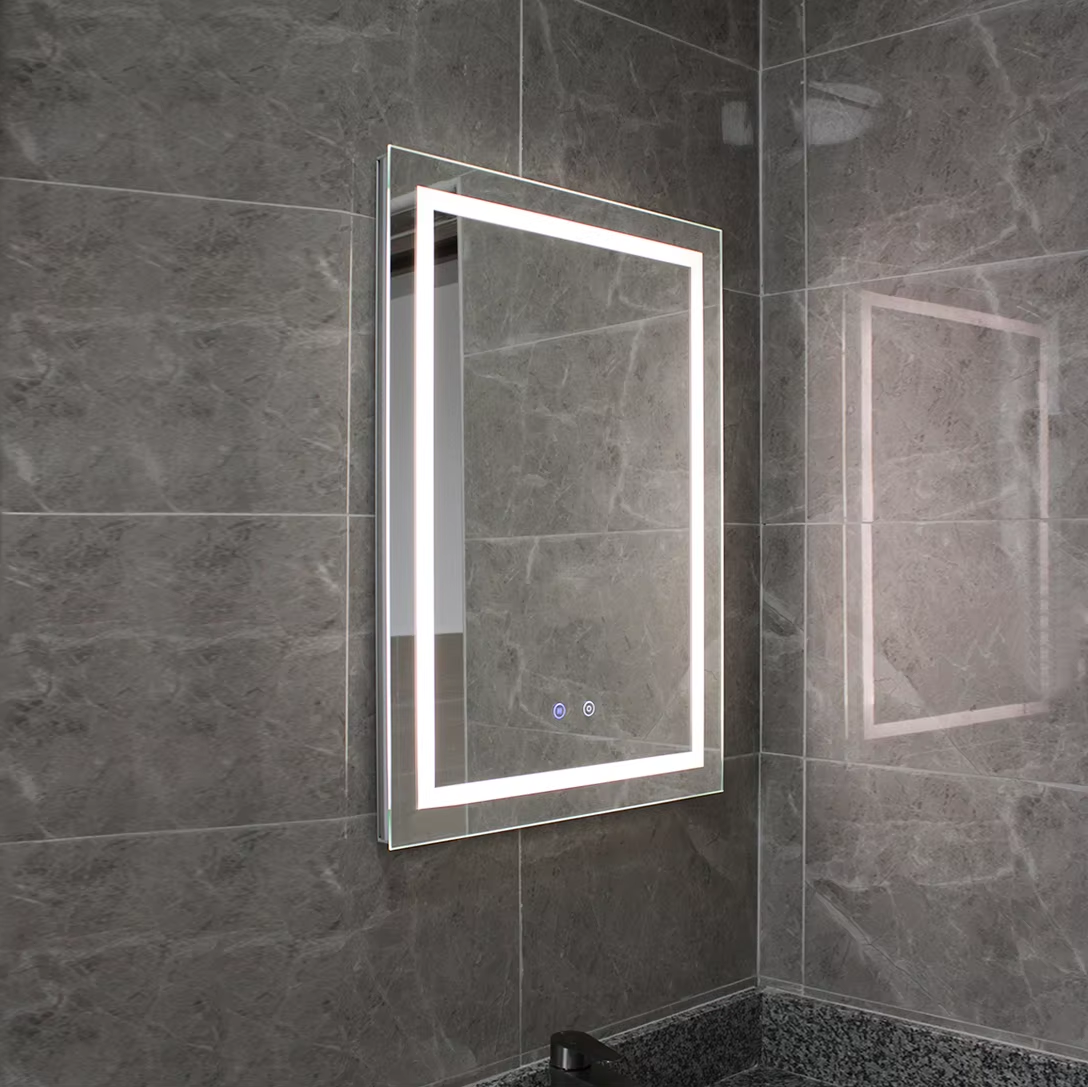
Strategic Vanity Mirror Placement for Light, Space, and Routine Efficiency
Optimal Mounting Above Dressers and Vanities to Support Grooming Ergonomics
A good rule of thumb for placing a vanity mirror is around 15 to 20 inches above the surface of the dresser or vanity. This height generally matches what most people find comfortable at eye level for folks between about 5 feet 3 inches and 5 feet 9 inches tall. Keeping the mirror at this height helps maintain better posture while getting ready, which can really cut down on those annoying neck strains and tired feelings after long grooming sessions. When someone prefers sitting down, having a mirror mount that lets them adjust the angle makes all the difference. Tilting it forward about 10 to maybe even 15 degrees gets rid of those pesky shadows across the face. These small but thoughtful adjustments matter quite a bit in homes and hotels alike, where people get dressed multiple times throughout the day. Some studies have actually found that when mirrors are positioned correctly vertically, tasks tend to go smoother and faster. People don't need to keep adjusting their stance or head position so much, saving time and energy over repeated daily routines.
Using Mirror Positioning to Amplify Natural Light and Create Visual Openness
Putting a vanity mirror right across from a window really boosts how much natural light gets into a space, so people don't need to turn on lights as often. If positioned at a right angle to where sunlight comes in, these mirrors can push daylight about 8 to 10 feet further into rooms, making dark corners up to 70% brighter according to some recent research from 2024 on lighting efficiency. Tall mirrors that stretch from floor to ceiling create the impression that ceilings are higher by around 15 to 20 percent. Meanwhile, smaller mirrors stuck on walls next to closets or near front doors give the illusion of extra depth. For those tight little bedrooms, placing mirrors in corners at about a 45 degree angle makes the whole room feel bigger because they reflect other walls, furniture pieces, and even bits of architecture that might otherwise go unnoticed.
Functional Advantages of a Vanity Mirror in Daily Bedroom Use
Illuminated Vanity Mirror Features: LED Lighting, Dimmability, and Color Accuracy (CRI & Kelvin)
LED lighting integrated into mirrors really changes how people groom themselves every day because they use less electricity, last much longer than old bulbs, and keep putting out the same amount of light over time. The dimmer switches are super helpful since folks can adjust how bright things look when applying makeup or doing their skincare at night. For getting colors right, something called CRI matters a lot. Most good lights have a CRI score above 90, which means skin tones appear true to life. Also important is the Kelvin rating, somewhere between warm 3000K and cooler 5000K, similar to what we see outside during different parts of the day. These specs stop situations where makeup looks one way under bathroom lights but totally different elsewhere. Plus, these modern lights eliminate those harsh bathroom glares that make everyone look washed out, replacing them with soft, even lighting perfect for seeing all the little details in our beauty routines.
Aesthetic Value of a Vanity Mirror: Style Integration and Design Impact
Framed vs. Frameless, Round vs. Geometric: Choosing a Vanity Mirror That Matches Bedroom Style
A vanity mirror functions as both practical tool and intentional design element. Framed options—especially those with ornate detailing—anchor traditional or classic interiors, elevating elegance and serving as focal points. Frameless designs, by contrast, suit contemporary spaces with their clean, minimalist profiles, offering seamless integration and unobtrusive reflection.
Shape further influences spatial perception and stylistic cohesion:
- Organic curves (ovals, arches) soften angular rooms and convey timeless sophistication
- Structured geometries (rectangles, hexagons) reinforce modern, industrial, or Scandinavian themes through crisp definition
Rounded silhouettes often complement feminine aesthetics, while angular forms pair well with architectural or utilitarian décors. For visual harmony, match frame material, finish, and proportion to existing furniture and fixtures. As noted in a 2025 interior design benchmark report, coordinated mirror-bedroom pairings increase perceived spatial quality by 40%.
Selecting the Right Vanity Mirror: Key Considerations for B2B Buyers and Interior Professionals
When it comes to picking out vanity mirrors for commercial spaces or professional interiors, there are actually three main things to think about besides just how they look. Let's start with size and balance. The mirror shouldn't stick out too far from either side of the vanity cabinet. Aim for about 2 to 4 inches shorter than the vanity itself on both sides so it doesn't throw off the whole look. As for height, most people find mirrors between 30 and 40 inches tall work best because they sit at eye level comfortably. Next up is shape and how it affects the space around it. Vertical oval shapes can make small bathrooms feel taller, which is great when headroom is limited. On the flip side, wider rectangular mirrors tend to open up cramped spaces visually. Lighting matters too. If possible, go for mirrors with built-in LED lights that have a Color Rendering Index (CRI) above 90 and a warm to neutral white light between 3000K and 4000K. These settings cut down on shadows and give better visibility. For places where lots of people will be using them regularly like hotel bathrooms or upscale apartment complexes, always ask for tempered glass with special coatings that prevent distortions. This makes sure the mirrors stay clear and safe even after years of constant use.
Frequently Asked Questions (FAQ)
What is the optimal height for mounting a vanity mirror?
The optimal height for mounting a vanity mirror is about 15 to 20 inches above the surface of the dresser or vanity, which aligns well with eye level for individuals between 5 feet 3 inches and 5 feet 9 inches tall.
How can mirror placement enhance natural light and space perception?
Vanity mirrors placed across from windows can amplify natural light into a room. Mirrors at right angles to sunlight increase brightness, while tall mirrors and strategically angled mirrors can create the impression of higher ceilings and larger spaces.
What features should I look for in an illuminated vanity mirror?
Look for LED lighting, dimmability, and high color accuracy indicated by a CRI score above 90 and Kelvin ratings between 3000K and 5000K for consistent, natural lighting during grooming routines.
How do different mirror styles impact bedroom decor?
Framed mirrors suit traditional settings, while frameless mirrors integrate well with contemporary spaces. Organic shapes soften rooms, while structured geometries enhance modern or industrial themes.
What considerations are important when selecting vanity mirrors for commercial spaces?
Consider size balance, shape, lighting features, and durability like tempered glass with special coatings for clarity and safety in commercial or professional interiors.
Table of Contents
- Strategic Vanity Mirror Placement for Light, Space, and Routine Efficiency
- Functional Advantages of a Vanity Mirror in Daily Bedroom Use
- Aesthetic Value of a Vanity Mirror: Style Integration and Design Impact
- Selecting the Right Vanity Mirror: Key Considerations for B2B Buyers and Interior Professionals
-
Frequently Asked Questions (FAQ)
- What is the optimal height for mounting a vanity mirror?
- How can mirror placement enhance natural light and space perception?
- What features should I look for in an illuminated vanity mirror?
- How do different mirror styles impact bedroom decor?
- What considerations are important when selecting vanity mirrors for commercial spaces?