
 EN
EN

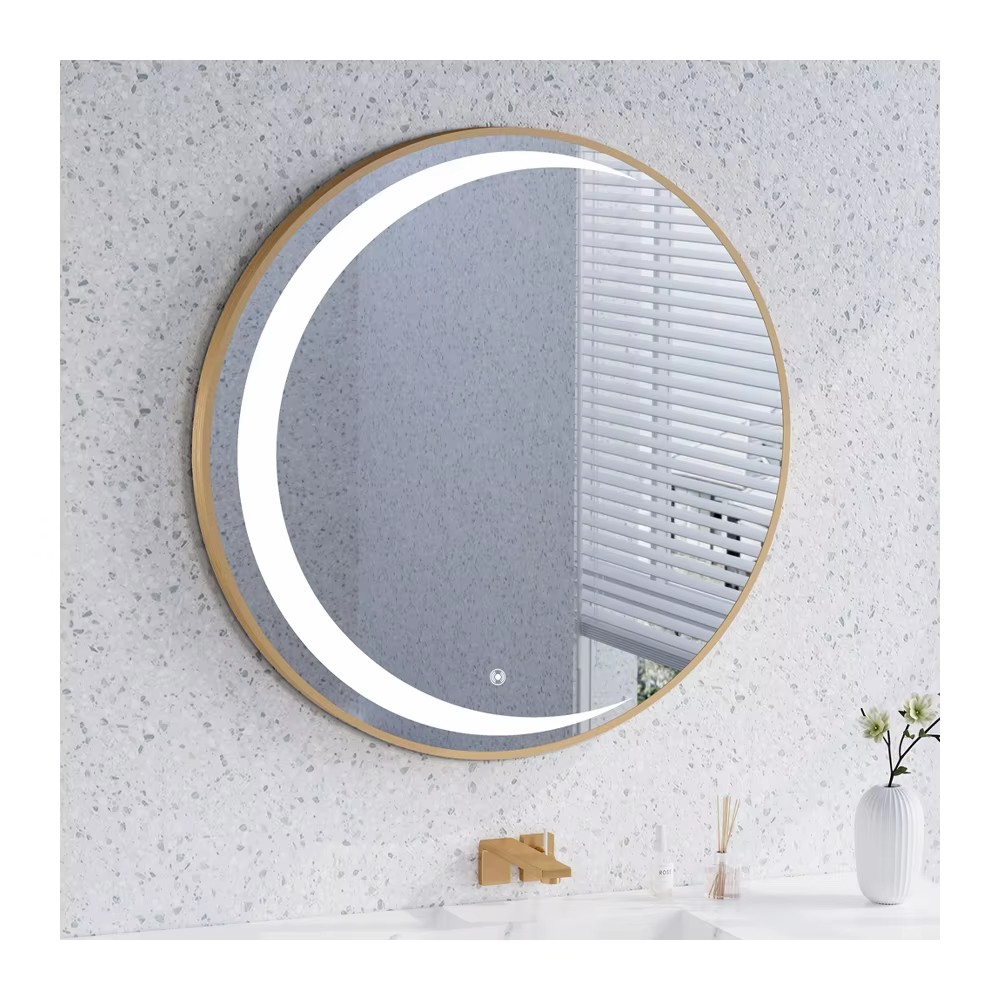
Tempered Glass: The Non-Negotiable Foundation for Safety and Clarity
Why Tempered Glass Is Essential for Bathroom Vanity Mirrors
For bathroom vanity mirrors, tempered glass stands out as the safest option that meets building codes. Regular glass just doesn't cut it when we're talking about safety standards. Tempered glass goes through a special heating process where it gets heated up around 600 degrees Celsius and then cooled quickly. This creates compression on the surface which makes it roughly four to five times stronger than regular glass. If something does break, it shatters into little pebble-like pieces instead of those dangerous sharp shards everyone worries about. That's especially important in bathrooms where floors can get slippery from water and steam. The glass also handles temperature changes better, so it won't crack during those hot showers everyone loves. Most local building regulations actually mandate tempered glass in these moist areas because studies show it cuts down on serious cuts by about 80% over regular glass options. Homeowners get clear reflections every day without compromising on safety or durability.
Edge Finishing: Beveled, Polished, or Flat — Impact on Durability and Aesthetics
Edge treatment significantly affects both longevity and visual integration:
- Beveled edges: Precision-angled cuts not only enhance light refraction for a refined appearance but also strengthen the perimeter by eliminating vulnerable raw edges—reducing chipping risk in high-touch zones.
- Polished edges: Smooth, rounded finishes eliminate micro-fracture points and support clean, minimalist aesthetics without compromising edge integrity.
-
Flat edges: Economical but require flawless sealing; unsealed flat edges are prone to moisture infiltration and delamination over time.
Thicker glass (≤6mm) inherently improves edge resilience, while silicone-backed mounting systems help absorb vibration and prevent stress-induced cracking. Prioritize edge finishes that align with your bathroom’s humidity levels and usage patterns—not just style preferences.
Metal Frames: Corrosion-Resistant Strength Meets Modern Vanity Mirror Style
Stainless Steel, Aluminum, and Brass — Performance Comparison in Humid Bathrooms
When dealing with areas that have lots of moisture, what really matters for metal frames isn't how they look but whether they can stand up to corrosion. Stainless steel, particularly grade 316, works great because it contains chromium, nickel, and molybdenum. These materials create an oxide layer that actually repairs itself even when exposed to salty air or steamy environments. Aluminum is lighter and cheaper to work with, making it versatile for many applications. However, without good quality powder coating, aluminum starts showing signs of rust almost immediately once scratched or damaged. Brass has its own charm as well since it naturally forms a protective layer over time that gives off that classic old-world look. The downside? Keeping brass shiny takes regular attention, especially around areas where water splashes regularly. Looking at long term durability, grade 316 stainless steel stands out as something that will last for years with minimal fuss. Aluminum still makes sense for budget conscious projects provided it gets proper coating and stays out of constant contact with water.
Structural Integrity Hidden in Plain Sight: Frame Thickness and Reinforced Joints
Durability isn't just what we see on the outside but comes down to engineering decisions most buyers never notice. Frame thickness makes all the difference. Most frames need at least 1.2mm thickness to stay stable, though anything above 1.5mm with cold rolled steel really holds up against bigger glass panels or heavier loads. What happens where pieces connect matters too. Welded corners actually perform way better than those held together with screws according to stress tests. Some studies show welded joints handle twisting forces around twice as well as screw based ones, which means no annoying wobbling and things staying aligned longer. Manufacturers often add extra support inside corners with metal gussets and run continuous welds along seams so weight gets spread out properly instead of cracks forming where problems usually start. Even when frames look completely open, there's typically hidden steel channels running behind them for added strength. Looking at quality? Ask to see actual cross sections or touch samples if possible. Good companies will show this stuff openly since these hidden details ultimately determine how long something lasts in real life situations.
Wood and Composite Frames: Balancing Warmth, Weight, and Moisture Management
Sealed Hardwoods vs. Engineered Wood — Realistic Longevity for Vanity Mirror Use
Vanity mirrors made from wood frames definitely add that warm, textured look nobody can really replace these days. But let's face it, whether they work well in bathrooms comes down completely to how we handle moisture. Regular hardwoods like oak or maple just don't stand a chance against humidity unless properly sealed. According to that 2023 Home Moisture Assessment report, about two thirds of all early failures in wooden mirror frames happen because of moisture damage. Even fancy woods like teak have those natural oils going for them and stay pretty stable in size, but folks still need to keep applying sealant regularly if they want them to last. The engineered options out there, stuff like MDF and particleboard, do better thanks to those resin binders and laminates on top. Still, watch out for those edges where water gets in or when the seal starts to fade over time. Composite frames mixing wood and polymer materials seem to hit the sweet spot though. These bad boys create complete moisture barriers right down at the cell level, so no more worrying about seasonal changes making things expand or contract. Plus, nobody has to worry about refinishing them later on. Most homeowners find these composites will hold up for around 15 years with hardly any upkeep required, which makes them probably the smartest bet for anyone wanting that classic wood look without constantly battling bathroom humidity issues.
Acrylic and Hybrid Materials: Lightweight Alternatives with Critical Trade-Offs
Acrylic makes a great substitute for regular glass since it weighs about half as much and won't shatter when kids run around or someone bumps into it in busy bathrooms. The material lets through about 92 percent of available light so things still look clear and bright, plus special additives stop it from turning yellow even after years of sitting near windows. But there is one downside worth mentioning. Because acrylic isn't as hard as tempered glass, it tends to scratch pretty easily. Most manufacturers apply some kind of protective coating to help keep surfaces looking good over time. Some people find that acrylic just doesn't feel quite as nice to touch or sound as solid when tapped compared to real glass, although this doesn't affect how well it works. To get around these issues, many designers combine acrylic with other materials. Putting it behind aluminum frames gives extra strength against warping or rust problems. Adding touches of wood or stone next to acrylic panels creates a warmer look that feels more expensive too. These mixed material solutions take advantage of acrylic's lightweight nature and easy installation benefits while still standing up to daily wear and tear, especially important for areas needing frequent cleaning or exposed to harsh weather conditions.
Material Integration: How Frame–Glass Synergy Defines Premium Vanity Mirror Quality
Dual-Material Designs: Examples That Elevate Both Sturdiness and Style
Top quality vanity mirrors aren't made from one material alone. Instead they mix different materials together to get the best of both worlds. Take stainless steel corners combined with teak wood inserts for instance. The steel adds strength and stops the mirror from bending over time, while the wood brings some warmth to what would otherwise be a cold looking fixture. Brass frames attached to solid marble bases work similarly well. They look great together visually because the shiny brass contrasts nicely against the dark stone. Plus, the heavy marble keeps everything stable, and the brass handles moisture better than other metals might. When manufacturers put these materials together, they're doing something smarter than just making things look good. The combinations actually help spread out stress points in the mirror frame, protect weak spots like keeping wood dry by covering it with metal parts, and generally make the whole thing last longer since if one part fails, another can take over. What we end up with isn't simply a reflective surface anymore. These mirrors become real design features that stand up to daily use, have been thoughtfully designed, and express personality through their materials choice. Each component has its own role to play, both functionally and aesthetically speaking.
Frequently Asked Questions (FAQ)
- Why is tempered glass preferred for vanity mirrors? Tempered glass is preferred because it's strong, shatters safely, and complies with building codes for bathroom safety.
- Which metal is best for humid bathroom environments? Grade 316 stainless steel is ideal due to its self-repairing oxide layer that withstands moisture and corrosion.
- How can I prevent moisture damage to my wood-framed vanity mirror? Regular sealing and choosing composite frames can prevent moisture damage over time.
- Are acrylic mirrors a good alternative to glass mirrors? Yes, acrylic mirrors are lightweight and shatterproof but may scratch easily, so protective coatings are recommended.
- How does material integration benefit vanity mirrors? Material integration boosts sturdiness and style by combining strength and aesthetics of different materials.
Table of Contents
- Tempered Glass: The Non-Negotiable Foundation for Safety and Clarity
- Metal Frames: Corrosion-Resistant Strength Meets Modern Vanity Mirror Style
- Wood and Composite Frames: Balancing Warmth, Weight, and Moisture Management
- Acrylic and Hybrid Materials: Lightweight Alternatives with Critical Trade-Offs
- Material Integration: How Frame–Glass Synergy Defines Premium Vanity Mirror Quality