
 EN
EN

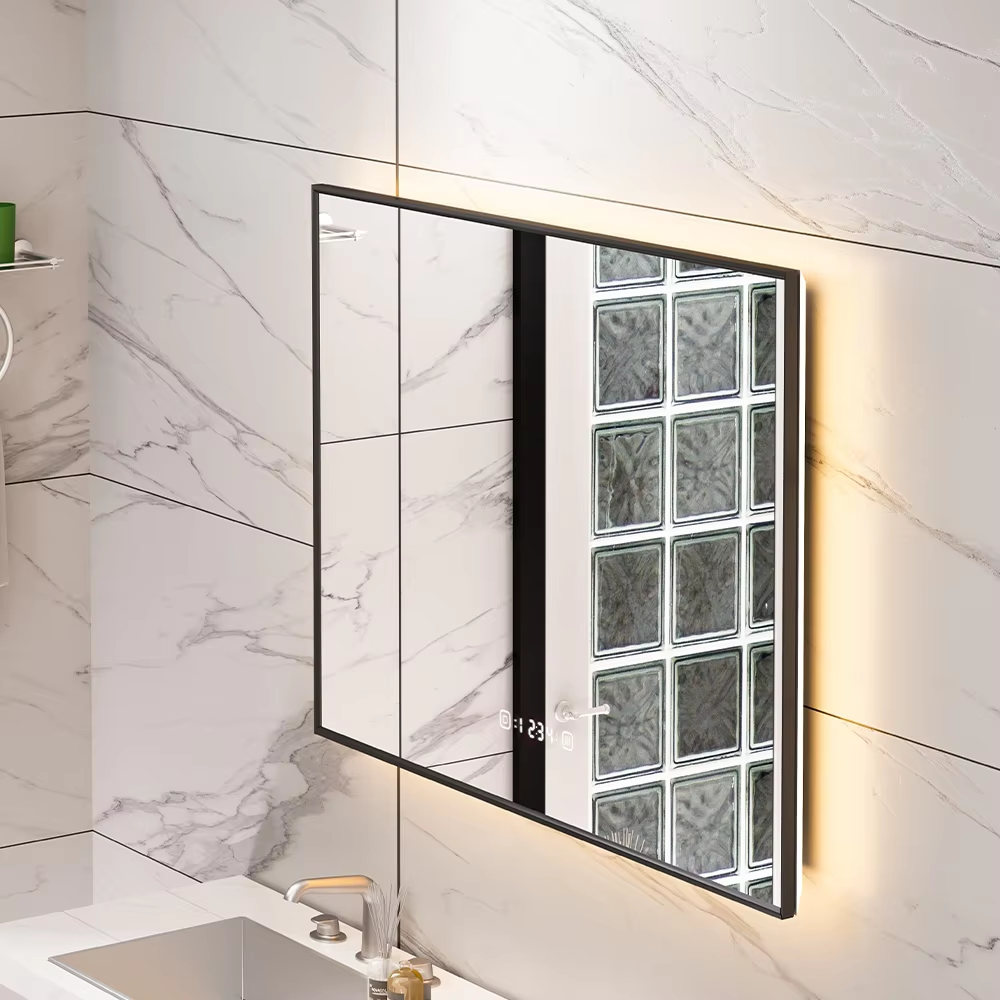
How Form Factor Limits Audio Performance in a Smart Mirror with TV
Why Speakers Are Compromised in Mirror-Integrated TV Designs
The ultra thin designs needed for modern mirrors leave very little room for proper speaker components. What happens? Engineers are stuck between a rock and a hard place really. Bigger speakers would give better sound quality but ruin the slim look customers want these days. When there's not enough space, they have to use smaller transducers with limited movement capabilities. This naturally limits how clear the mid range sounds and what kind of high frequency details can be heard. Glass in mirrors creates another headache too. The way sound bounces off glass is all over the map, leading to those annoying phase issues where sounds cancel each other out and everything just gets muddy. Regular TV speakers usually need those big boxes inside to boost the bass response. But when building speakers into mirrors, manufacturers cut down on that internal space to keep things slim. And without enough air moving around, the low notes just disappear fast even when turning the volume up only moderately.
Physics of Sound in Thin Profiles: Impact on Bass Response and SPL Output
According to Hoffman's Iron Law, there's this fundamental relationship between how deep the bass goes, how efficient the system is, and just how big the speaker box needs to be. When manufacturers cut down on cabinet size by about three quarters like they do with mirror design speakers, the bass cutoff frequency jumps way up. Simply put, tiny drivers just don't have enough surface area to push around all that air needed for really low frequencies below 100Hz. And when things get loud? That's when problems start piling up fast. Those little voice coils in compact speakers tend to heat up like crazy during music passages with lots of dynamics, which means we end up with significantly more distortion compared to regular sized TV speakers according to a study from Audio Engineering Society back in 2023. Some companies try passive radiators as a fix, but honestly these workarounds can only go so far against the laws of physics when it comes to getting those deep lows right.
Real-World Audio Capabilities of Smart Mirror with TV Units
Measured Performance: Frequency Range, Max SPL, and Distortion Levels (50Hz–20kHz)
Testing by independent labs has shown that smart mirrors with built-in TVs face some serious audio limitations. The problem starts with their ultra thin bodies, usually under 2 inches thick, which means bass just doesn't go low enough. Most models struggle to reach below 150Hz, creating a noticeable drop off of about 12 to 15 dB when compared to regular speakers at 80 Hz. The maximum volume level tops out between 75 and 82 dB at one meter away, good enough for casual background music but not great for anything immersive. Distortion becomes a real issue once the volume hits around 70 dB, especially between 200 and 500 Hz where the enclosure itself starts to resonate and amplify the noise. Typical frequency response ranges from 180 Hz to 16 kHz with plus or minus 6 dB variation, so those deep sub-bass tones and really high frequencies are missing entirely. All these problems come down to tiny drivers, often less than 30 mm in size, paired with enclosures that aren't designed for acoustic performance. Even though most support Bluetooth streaming, the hardware simply can't deliver high fidelity sound no matter how good the original source material might be.
| Performance Metric | Typical Range | Limiting Factor |
|---|---|---|
| Frequency Response | 180Hz–16kHz (±6dB) | Driver size & enclosure depth |
| Max SPL (1m) | 75–82dB | Power handling & thermal limits |
| THD at 70dB | >10% (200–500Hz) | Cabinet vibrations & driver excursion |
| Bass Extension (-6dB) | 150Hz+ | Physical air displacement requirements |
Smart Mirror with TV Audio Enhancement Options
Built-in IP65-Rated Speakers with Beamforming for Bathroom Environments
Smart mirrors with built-in TV units tackle those tricky bathroom acoustics thanks to some clever engineering work. The speakers inside these devices carry an IP65 rating which means they stand up pretty well against water splashes and dust buildup something really important when dealing with all that steam after a hot shower. There's also this thing called beamforming tech at play here. Basically, it works by sending sound directly where people are sitting or standing through these special transducer arrays. This helps fight off the annoying echoes that come from sound bouncing around tiles and walls. When someone is watching the morning news or listening to tunes while getting ready, voices stay clear and musical details don't get lost in translation. Regular speakers would just blast sound everywhere including into the shower area creating unwanted noise pollution. These smart systems focus their output so there's less echo floating around and they actually save energy too making them great for displays that run constantly. Most models hit around 80 to 85 decibels max which is loud enough to hear what's going on but not so loud that neighbors will start knocking on the wall asking if everything's okay.
External Audio Integration: Bluetooth 5.3, Wi-Fi 6, and HDMI-ARC Compatibility
Manufacturers tend to focus on flexible connection options when quality sound matters most. Take Bluetooth 5.3 for instance. It pairs with soundbars and headphones while keeping latency below 40 milliseconds, so there's no annoying delay between what people see on screen and hear from their speakers during movies or shows. Then there's Wi-Fi 6 which makes multi-room music streaming possible across devices using services such as Apple AirPlay 2. Even when lots of gadgets are connected at once, this tech maintains clear 24-bit/96kHz audio quality throughout homes. And let's not forget about the HDMI-ARC port either. This little connector works wonders with home theater setups by making everything just work together out of the box. Volume levels adjust themselves automatically along with power settings too. What we get here is basically a system where folks can enjoy the ease of wireless listening in the mornings but still have access to top notch wired connections for serious movie nights later on. All these different technologies come together seamlessly through one central control panel built right into the mirror itself.
FAQ
What audio limitations do smart mirrors with TVs face?
Smart mirrors with TVs often have ultra-thin bodies, usually under 2 inches thick, resulting in limited bass response and bass extension. These models struggle to reach below 150Hz, leaving sub-bass tones and high frequencies out.
How do mirror-integrated TVs handle bathroom acoustics?
These smart mirrors use IP65-rated speakers and beamforming technology to manage bathroom acoustics. This tech aims sound at specific locations, reducing unwanted echoes and enhancing sound clarity in tiled environments.
What connectivity options are available for better audio quality?
To ensure optimal sound quality, smart mirrors offer Bluetooth 5.3, Wi-Fi 6, and HDMI-ARC compatibility, facilitating seamless connections with soundbars, headphones, and home theater systems.