
 EN
EN

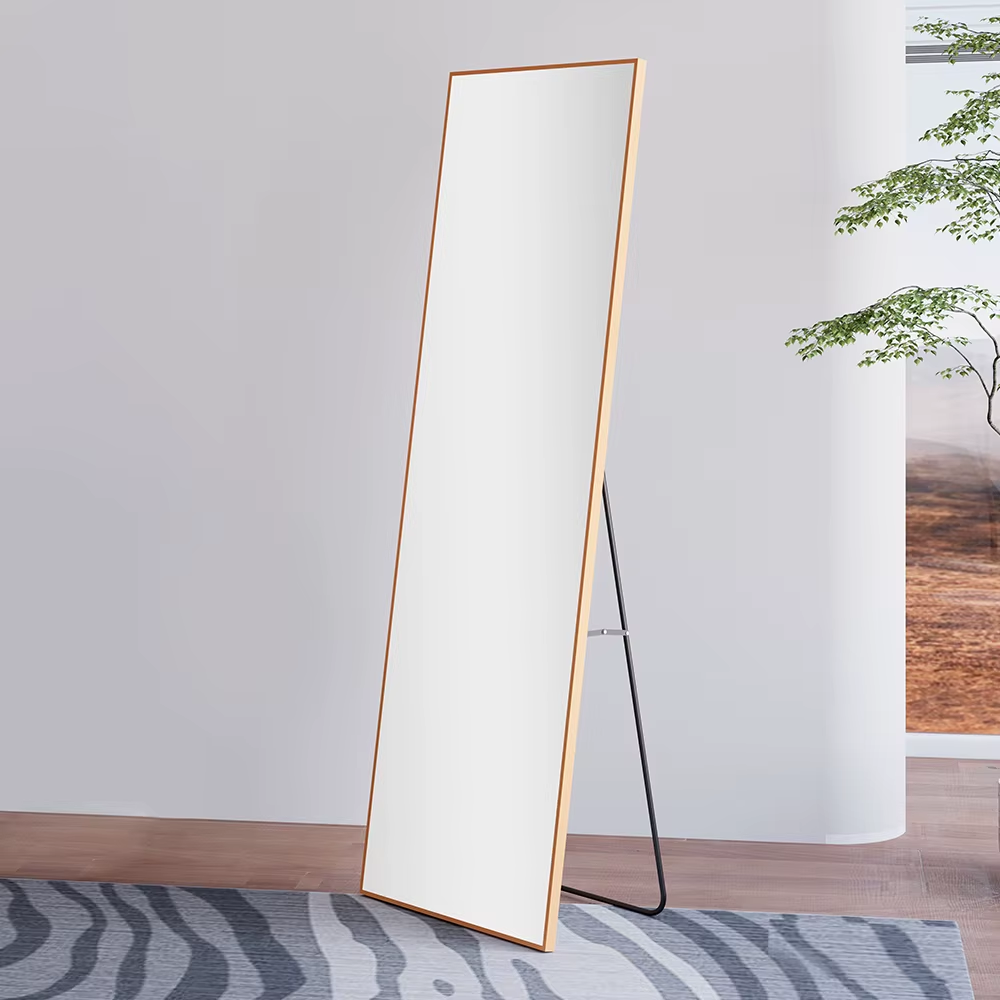
Why Full Length Mirror Placement Directly Impacts Perceived Space
Putting a full length mirror in just the right spot can completely change how we see a space. Place one across from a window or lamp and suddenly there's way more light bouncing around. Some research suggests shadowy corners get about 30 percent brighter when mirrors face light sources, which definitely helps those cramped feeling spaces look bigger. The extra light just makes everything seem more open and airy. What's really interesting though is how mirrors play tricks on our brains about space. Put a mirror at the end of a hallway and it bounces back what's around it, making us think there's room beyond where the wall actually ends. For tight spots less than ten feet across, hanging mirrors on the walls fights off that tunnel effect by making things look twice as wide. Tall mirrors from floor to ceiling work wonders too for rooms with low ceilings since they pull our eyes upwards instead of down. These aren't just fancy decorations either. Full length mirrors actually act like design tools that reshape how we experience small spaces through clever light tricks and breaking up walls visually, giving even tiny rooms a better sense of proportion.
Optimal Full Length Mirror Placement for Vertical Space Expansion
Floor-to-Ceiling Alignment to Enhance Height Perception
Positioning a full-length mirror from floor to ceiling creates an unbroken vertical line that visually extends room height. This alignment leverages reflection to draw the eye upward, making standard 8-foot ceilings appear taller. For maximum effect:
- Maintain 2-inch gaps at top and bottom to preserve visual continuity
- Reinforce height cues with vertical decor elements (e.g., tall plants or floor lamps)
- Avoid horizontal interruptions such as shelves or artwork near mirror edges
Research indicates vertical reflections can increase perceived ceiling height by 15–20% in small rooms. The technique is especially effective in entryways and dressing areas where full-body visibility is essential.
Mounting Height Guidelines Based on Ceiling Height and User Stature
Mounting position directly impacts both functionality and spatial effects. Follow these evidence-based guidelines:
| Ceiling Height | Ideal Mirror Top Position | User Height Adjustment |
|---|---|---|
| 8 ft (2.4 m) | 6–8 inches below ceiling | Center at eye level |
| 9–10 ft (2.7–3 m) | Within 4 inches of ceiling | +3 inches above eye level |
| >10 ft (3 m+) | Direct ceiling contact | No adjustment needed |
For households with varying heights, position the mirror so the shortest frequent user can see their full reflection when standing 3 feet away. In rooms with sloped ceilings, align the mirror’s highest edge with the ceiling’s apex to accentuate verticality.
Strategic Full Length Mirror Placement to Amplify Depth and Light
Opposite Windows: Doubling Natural Light and Creating Spatial Continuity
Putting a full length mirror across from window openings really makes use of natural light. The mirror bounces sunlight around the space, cutting down on shadowy spots and bringing life to those darker corners of the room. What's interesting is how this simple trick actually boosts the feeling of daylight in the space while making the inside look more connected to what's happening outside. Take for instance when mirrors face out towards gardens or other outdoor views. They create an illusion that stretches the eye past walls and windows, which works wonders for small rooms that need to feel bigger. Some studies from last year showed something pretty impressive too. Reflective surfaces managed to increase available light by as much as 80 percent in rooms facing north, turning tight spaces into surprisingly bright places to be.
At Hallway Ends or Narrow Passages: Extending Visual Pathways
Putting mirrors at the ends of hallways takes advantage of how our eyes work to make small spaces seem bigger. When someone looks into these reflections, it tricks them into thinking the hallway goes on much longer than it actually does. For narrow passageways, especially those not quite five feet across, this simple trick helps people feel less cramped because their eyes follow a pattern as they move through the space. Many interior designers have found that when they angle mirrors where hallways meet other areas, it really makes a difference. These spots suddenly don't feel so tight anymore but instead become welcoming transitions between rooms.
Space-Smart Full Length Mirror Configurations for Small Rooms
Standing Corner Mirrors vs. Closet-Door Mounts: Footprint, Flexibility, and Impact
When space is at a premium, the choice between corner standing mirrors and those mounted on closet doors makes a big difference in how functional and spacious a room feels. Corner standing mirrors take advantage of vertical space without taking up much floor room, usually less than 1.5 square feet, and can be moved around if needed. The way these mirrors are angled actually bounces light off nearby walls, creating an illusion of depth that makes small rooms look bigger. Closet door mounts work differently since they stick to existing surfaces and don't eat into valuable floor space at all. While they stay put once installed, they blend right into storage areas and keep walkways free from clutter. In really small spaces below 100 square feet, mounting mirrors on doors saves about 30% more walking room compared to free standing options, even though both types still reflect just as well.
FAQs
How do mirrors affect perception of space?
Mirrors reflect light and surroundings, which can make a space appear larger and brighter by bouncing light into shadowy areas and creating an illusion of added depth.
Where is the best place to hang a full length mirror to improve room brightness?
The best place to hang a full length mirror for brightness is opposite a window, as this position maximizes natural light reflection throughout the room.
What is the benefit of mounting mirrors from floor to ceiling?
Mounting a mirror from floor to ceiling enhances the room's vertical space, making ceilings appear higher, which can be beneficial for rooms with low ceilings.
Should I opt for a standing corner mirror or a closet-door mount in a small room?
Standing corner mirrors offer flexibility and depth illusion, while closet-door mounts save on floor space. The best choice depends on your room's specific needs and constraints.