
 EN
EN

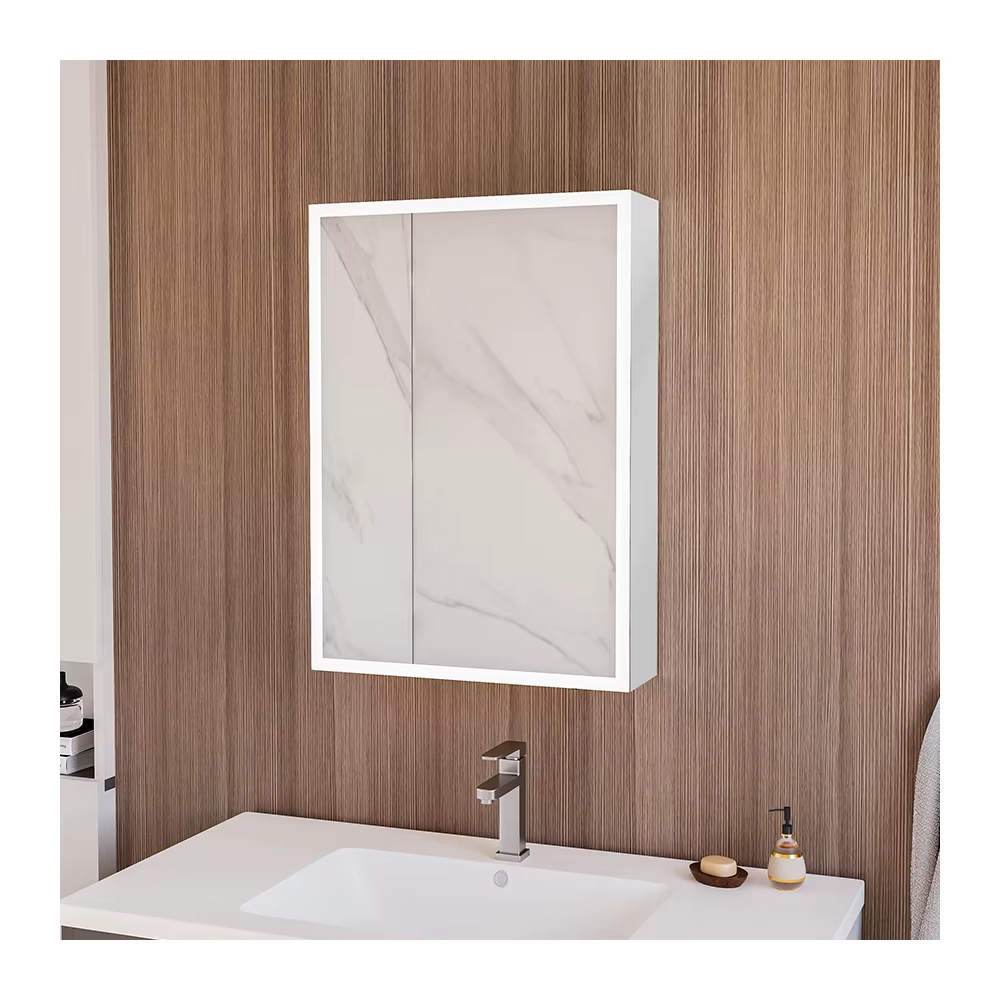
The Critical Role of High CRI _ in LED Bathroom Mirrors
How CRI _ Eliminates Makeup, Shaving, and Skincare Errors
Bathroom mirrors equipped with LED lights that have a Color Rendering Index of 95 or higher show colors almost as clearly as sunlight does. These mirrors can pick up on things regular lighting misses, like the subtle tones in someone's skin, actual colors of pigments, and even small signs of irritation or uneven textures that aren't visible under normal bathroom lights. When people apply makeup or skincare products, this kind of accurate lighting helps avoid problems like mismatched foundations, overlooked razor burns, or applying treatments incorrectly. Think about those mornings when everything looks great at home but then goes wrong once outside under real daylight. Statistically speaking, around eight out of ten bathroom accidents happen while people are getting ready, so good quality lighting isn't just about looking better it actually makes bathrooms safer by helping folks see what they need to see.
Clinical Support: Why Dermatologists and Makeup Artists Specify CRI _ Lighting
Both dermatologists and pro makeup artists keep coming back to one thing when it comes to reliable work: lighting with a Color Rendering Index of at least 95. Clinically speaking, these lights make all the difference when assessing skin issues like lesion colors, redness levels, and moisture content. According to research published in the Journal of the American Academy of Dermatology last year, doctors miss fewer diagnoses by about half when working under these better lights compared to older models below 90 CRI. For makeup pros, getting those shades right matters too. They need their products to look good under whatever light people encounter daily. Studies indicate around two thirds fewer mistakes happen when using higher quality lighting over standard 80 CRI bulbs. The fact that both fields agree on this point shows just how important good lighting really is for everyday beauty routines and medical checks alike.
Energy Efficiency Without Sacrifice: Modern LED Technology in Bathroom Mirrors
Real-World Savings: From 40W Incandescent to Under 6W LEDSame Light, Less Load
LED bathroom mirrors today can match the brightness of old 40 watt incandescent bulbs but they only need around 6 watts to run, which cuts down on energy consumption by over 85%. According to some recent data from ENERGY STAR in their 2023 report on home lighting, these fixtures save about $18 every year just on electric bills. And when we look at how long they last too, over 25 thousand hours compared to regular bulbs that barely make it past a thousand, there's less need to replace them so often. This means fewer trips to buy new ones, less work maintaining them, and obviously less trash going into landfills. Most people find that the extra money spent upfront pays itself back pretty quickly, usually within one or two years just from lower utility bills. That makes sense for bathrooms where lights get used all day long anyway, both good for the planet and smart for anyone watching their wallet.
Lumens per Watt Advances: How Premium LED Strips Deliver >120 lm/W at Optimal Color Temperatures
Cutting-edge LED strips now achieve >120 lumens per watttripling early-generation efficiencywhile sustaining ideal 2700K4000K color temperatures for bathroom tasks. This leap stems from three core innovations:
- Advanced phosphor formulations that convert more electricity into visible light (not heat),
- Precision micro-lens optics directing b% of output toward the user,
- Intelligent voltage regulation eliminating standby power waste.
A 5W strip now produces 600+ lumenssufficient for detail-critical routines like shaving or eyeliner applicationwhile consuming less power than a smartphone charger. This balance of output, quality, and efficiency defines the new standard for illuminated mirrors.
Integration Done Right: How Leading LED Bathroom Mirror Brands Unify CRI _ and Efficiency
Case Study: LuminaBath Pro Series 97 CRI, 5.8W Power Use, and Full-Spectrum Dimming
Take the LuminaBath Pro Series as proof that great engineering can actually balance medical quality lighting with outstanding efficiency. This unit delivers an impressive 97 CRI rating while using only 5.8 watts of power, which is way under the typical range of 15 to 45 watts seen in similar products across the market. Older models needed at least 40 watts to produce lights that weren't even as good. The Pro Series instead features smart heat control systems along with adjustable full spectrum dimming from 2700K to 5000K. This means professionals can adjust both the warmth and brightness of their workspace lighting based on what they need to see clearly, all while keeping energy consumption low and maintaining accurate colors. What we're seeing here isn't some impossible dream where everything gets better at once. Instead, it shows manufacturers have figured out how to make high quality lighting work hand in hand with environmental responsibility rather than forcing one to sacrifice the other.
Market Validation: Why Homeowners and Builders Are Prioritizing Health-Centric LED Bathroom Mirrors
Bathroom mirrors equipped with LEDs that have a Color Rendering Index of at least 95 and consume less than 6 watts are becoming some of the best investments homeowners can make when renovating their spaces. Real estate experts have noticed something interesting too - properties with these wellness focused lights see about 60 percent more interest from potential buyers. Since the pandemic hit, around three out of every four homeowners put health related improvements right at the top of their renovation lists. This has created a big market for bathroom fixtures that cut down on eye fatigue by roughly 40% and help avoid those frustrating situations where hair looks one color under the mirror light but turns out completely different outside. Contractors working on new builds are also seeing changes in what gets specified. About eight out of ten construction projects nowadays include these super efficient LED mirrors simply because they need to meet stricter building regulations coming into effect in 2025 which require cutting bathroom energy usage by 30%. The numbers back this up too, with sales in high end housing markets growing by 35% each year. What was once considered a fancy addition to bathrooms has now become practically necessary for anyone wanting to create a space that truly works well for people day after day.
FAQ Section
Why is a high CRI important for bathroom mirrors?
A high CRI (Color Rendering Index) provides accurate colors similar to daylight, which is crucial for effectively applying makeup, shaving, and skincare routines.
How energy-efficient are LED bathroom mirrors compared to conventional lighting?
LED mirrors can provide the same brightness as traditional 40W incandescent bulbs while consuming only around 6W, reducing energy consumption by over 85%.
What innovations support the high efficiency of modern LED strips?
Advanced phosphor formulations, precision micro-lens optics, and intelligent voltage regulation contribute to improved efficiency, with LED strips delivering over 120 lumens per watt.
How do LED mirrors contribute to home value?
LED mirrors with a high CRI and low energy consumption appeal to buyers, increasing interest in properties with these wellness-focused features by about 60%.
Table of Contents
- The Critical Role of High CRI _ in LED Bathroom Mirrors
- Energy Efficiency Without Sacrifice: Modern LED Technology in Bathroom Mirrors
- Integration Done Right: How Leading LED Bathroom Mirror Brands Unify CRI _ and Efficiency
- Market Validation: Why Homeowners and Builders Are Prioritizing Health-Centric LED Bathroom Mirrors
- FAQ Section