
 EN
EN

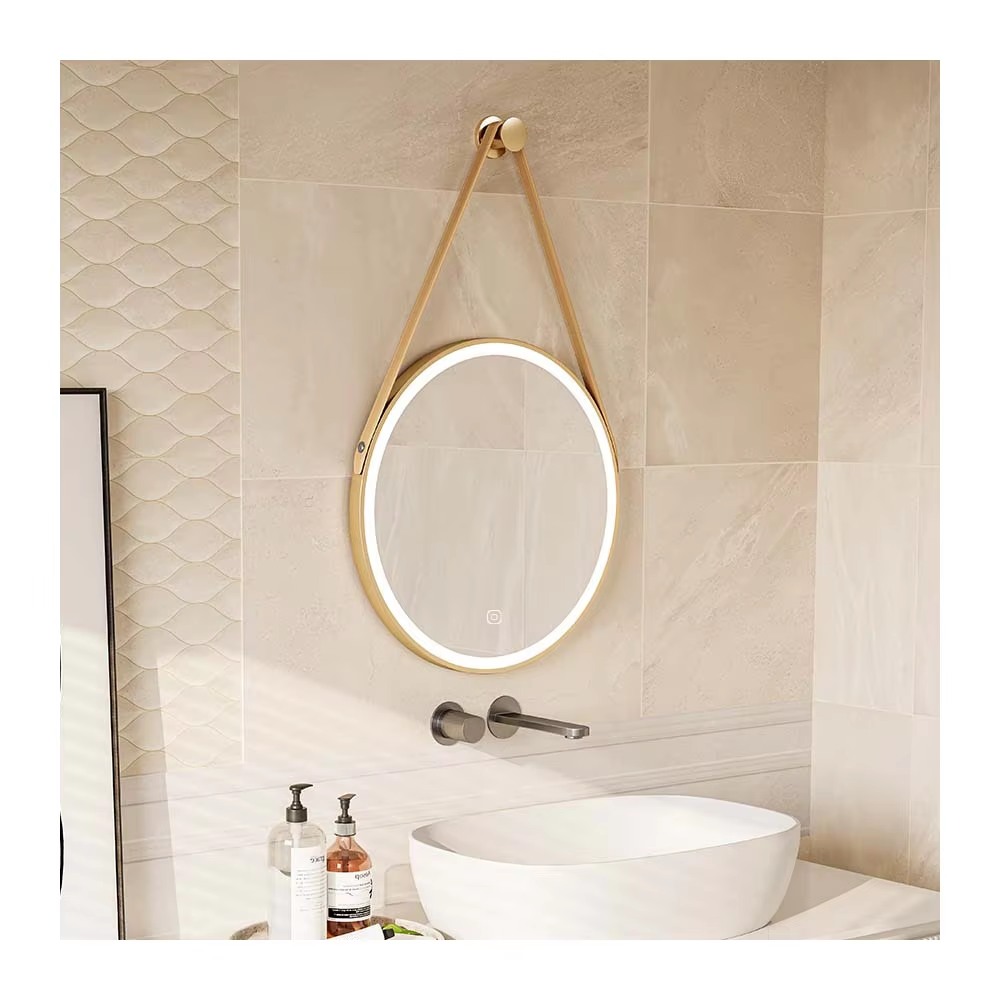
Why Adjustable Color Temperature Is a Core Smart Mirror Differentiator
Circadian Rhythm Support: How CCT Tuning Enhances Morning Readiness and Evening Wind-Down
The body's internal clock reacts strongly to changes in light color temperatures. When we're exposed to cooler light around 5000 to 6500K in the mornings, it actually cuts down on melatonin production, which helps us feel more awake while getting ready for the day. On the flip side, those warm golden hues between 2700 and 3000K at night encourage our bodies to produce melatonin naturally, making it easier to drift off to sleep. Modern smart mirrors now come with adjustable CCT settings that mimic how daylight changes throughout the day, matching our natural rhythms. Studies in chronobiology suggest these aligned lighting patterns can make someone feel more alert during waking hours by about 34%, plus they tend to fall asleep roughly 22 minutes faster than usual. People love being able to set their own schedules too many prefer bright blueish light when doing morning routines like shaving or applying makeup, then switch to softer amber tones later at night for skin care rituals. Since everyone's internal clock works differently based on lifestyle factors, having control over these lighting options makes all the difference in creating bathrooms that truly support overall well being.
Technical Foundation: Dual-Channel LED Arrays and Microcontroller-Driven CCT Control
Adjustable color temperature isn't just about software magic but requires some serious engineering work behind the scenes. These systems typically feature dual channel LED setups where warm light at around 2700K combines with cooler 6500K diodes on one circuit board. Inside there's a special microcontroller managing the electrical flow through PWM technology, and some clever software mixes these channels together to create hundreds of different color temperatures with fine control down to 1% increments. What makes this setup stand out compared to those old fixed color lights? Well, it keeps the Color Rendering Index above 90 throughout all settings, so faces look natural and products display their true colors no matter what. No flickering means eyes don't get tired during long sessions, plus built-in heat sensors stop things from getting too hot. And here's another benefit nobody talks about much but matters a lot: these optimized circuits actually use about 40% less electricity than standard lighting solutions. So we can have our cake and eat it too when it comes to precise color control without sacrificing energy savings or user comfort.
Anti-Fog Technology: Solving the #1 Usability Challenge in Smart Mirrors
The Condensation Problem: Why Fogging Undermines User Trust in Bathroom Smart Mirrors
Condensation caused by steam is still the biggest problem for bathroom smart mirrors these days, making them fog up exactly when people need to see clearly. When this happens again and again, people end up wiping the glass manually all the time. That constant need for cleaning makes folks question if they can really trust what their mirror shows them. The latest Bathroom Tech Report from 2024 says around 7 out of 10 users think that mirrors which keep fogging up must be built poorly. And in bathrooms where there's always lots of moisture in the air, the constant wetting and drying actually wears down the protective layers and electronic parts faster than normal. This means problems don't just happen once but get worse over time.
Beyond Heating: Evaluating Resistive, Nano-Coating, and Active Airflow Anti-Fog Solutions
While resistive heating pads are widely used, leading smart mirror designs now deploy more sophisticated alternatives—each with distinct trade-offs:
| Technology | Mechanism | Key Advantage |
|---|---|---|
| Resistive Heating | Uniform surface warming prevents condensation | Consistent performance in cold, humid climates |
| Hydrophilic Nano-Coatings | Water spreads into an ultra-thin, transparent film | Zero energy consumption; passive operation |
| Active Airflow | Targeted blowers evaporate moisture from the surface | Rapid defogging (<5 seconds) |
Nano-coatings require reapplication every 2–3 years but offer silent, maintenance-free operation. Active airflow delivers near-instant clarity yet introduces audible noise. Today’s premium mirrors increasingly combine resistive heating with hydrophilic nano-layers—leveraging thermal stability and surface-level moisture management for balanced durability, responsiveness, and energy efficiency.
CCT + Anti-Fog Convergence: The UX Advantage Driving Premium Smart Mirror Adoption
Synchronized Intelligence: Pre-Heat and CCT Ramp-Up as a Unified Morning Ritual
Top tier smart mirrors these days don't see lighting and fog prevention as two different things anymore. They've combined everything into one seamless experience that just works ahead of time. Inside these mirrors are tiny computer chips that kick things off before problems happen. The mirror starts warming up to stop fog forming on the glass while also turning on lights that match what our bodies need when we wake up. These lights begin warm and yellowish around 2700K and slowly get brighter until they reach daylight levels at about 5000K. It's kind of like watching the sun come up naturally, which helps our body clocks stay in sync. And best part? When someone walks in after a hot shower, there's no need to wipe away steam or fiddle with switches. Just step in front and everything works perfectly. For those tricky bathroom situations where humidity makes everything worse, this kind of automated system changes morning routines completely. What used to be a frustrating battle against fog and dim lighting becomes something peaceful and planned out instead.
Market Validation: 78% of 2023–2024 Premium Smart Mirror Launches Bundle Both Features
The way companies are adopting these technologies shows just how important integration really is in today's market. According to recent data from 2024, around three out of four premium smart mirrors coming out now come with both CCT tuning and anti-fog tech built right in. That's actually a pretty big jump compared to last year when only about half had those features. Why does this matter so much for luxury models? Because people want their mirrors to handle two basic things at once: taking care of their health while staying reliable day after day. Most folks don't want to deal with separate settings or complicated adjustments anymore. They prefer products that just work together naturally, like getting ready in the morning where the mirror stays clear and also helps regulate body rhythms through light exposure. For manufacturers making smart mirrors, this combination isn't something special anymore. It's becoming standard practice across the board as homes get smarter and consumers expect more seamless tech solutions.
Smart Mirror Feature Ecosystem: Prioritizing Integration Over Isolation
What really makes smart mirrors valuable isn't just their individual features but how well they work together with other digital systems throughout a space. When connected to smart home platforms like Matter hubs, building management software, and various IoT gadgets, these mirrors transform from simple glass into control panels for entire environments. They coordinate everything from lighting levels to climate settings, entertainment options, and even security measures, cutting down on separate control points and making things easier for users by about 63% according to recent hospitality tech research from 2023. The system gets smarter too. Saying something like "Good Morning" triggers a chain reaction where the mirror adjusts color temperature, warms up the room, softens the lights, and brings up local weather all at once. Most importantly, mirrors built with open APIs and standard protocols stand the test of time better than proprietary systems do. A recent survey found that nearly 8 out of 10 commercial installers prefer working with mirrors that have accessible programming interfaces. This whole connected approach changes what we think of as a mirror, turning it into something alive that actually responds to people and manages its surroundings based on what makes sense for them.
FAQ
What is adjustable color temperature in smart mirrors?
Adjustable color temperature refers to the ability of a smart mirror to change the lighting intensity and warmth to better suit the user's needs, mimicking natural daylight changes throughout the day.
How does CCT tuning impact circadian rhythms?
CCT tuning impacts circadian rhythms by providing cooler light in the morning to reduce melatonin production and warmer light at night to naturally increase melatonin production, thus aiding in sleep regulation.
What anti-fog technologies are used in smart mirrors?
Smart mirrors use resistive heating, hydrophilic nano-coatings, and active airflow as anti-fog solutions, each offering unique advantages in preventing condensation.
Why is the integration of CCT and anti-fog technology important?
Integrating CCT and anti-fog technology in smart mirrors enhances user experience by providing seamless morning routines and automatic adjustments, preventing fogging while optimizing lighting conditions.
How do smart mirrors fit into a smart home ecosystem?
Smart mirrors connect with smart home platforms and IoT devices, essentially serving as control hubs that coordinate lighting, climate, and security settings for an integrated smart home experience.
Table of Contents
- Why Adjustable Color Temperature Is a Core Smart Mirror Differentiator
- Anti-Fog Technology: Solving the #1 Usability Challenge in Smart Mirrors
- CCT + Anti-Fog Convergence: The UX Advantage Driving Premium Smart Mirror Adoption
- Smart Mirror Feature Ecosystem: Prioritizing Integration Over Isolation
- FAQ