
 EN
EN

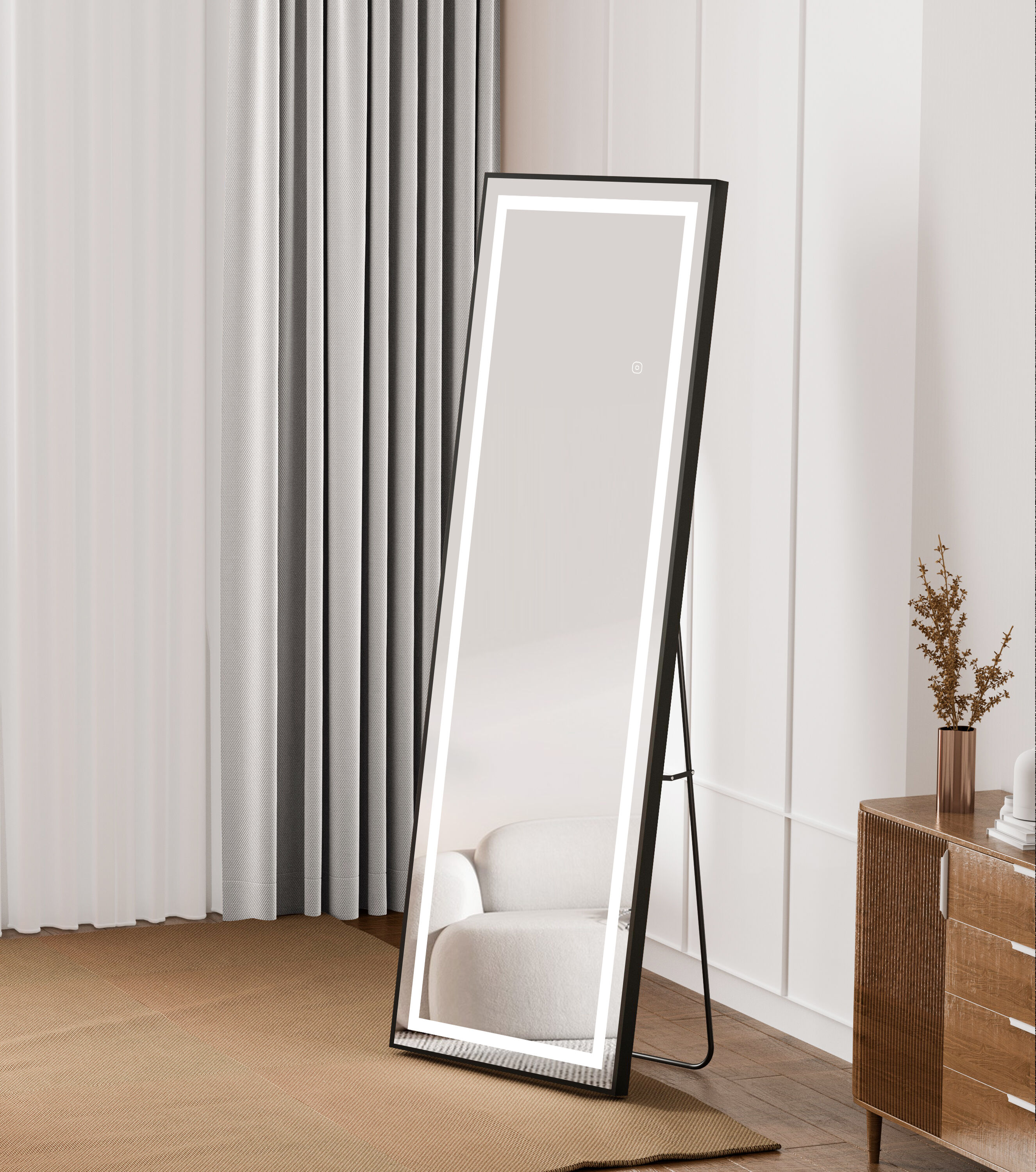
The Lighting Problem: Why Standard Mirrors Fail Precision Makeup
How ambient and overhead lighting creates misleading shadows and color distortion
Regular mirrors rely heavily on ambient or overhead lighting conditions, and this often creates harsh shadows that play tricks on facial features. The light distribution isn't even at all, which messes with our sense of depth. Small details in skin texture get lost, and trying to blend makeup smoothly becomes almost impossible. Bathroom lights hanging from the ceiling tend to highlight those dark circles underneath the eyes and deepen the lines running from nose to mouth. This leads many people to pile on extra concealer or contour products when they really don't need them. According to a recent 2023 study about how we perceive lighting, around 78 percent of folks who wear makeup ended up using about 30 percent more product than needed simply because the shadows made their faces look different than they actually were.
CRI under 90: Why poor color rendering compromises foundation matching and eyeshadow blending
The majority of regular home light bulbs fall short of the 90 mark on the Color Rendering Index (CRI), which basically means they mess with how colors actually look when compared to good old sunlight. When lights have low CRI values, they hide what's really going on with skin tones. Foundations that look just right inside can turn out looking way too orange or even grayish once someone steps outside. The same goes for makeup like eyeshadow blends too. What looks great next to each other under normal room lighting might end up all muddled together when seen in real daylight. According to some folks at the International Commission on Illumination, anything below 5000K temperature combined with CRI numbers under 90 can lead to around 40 percent mistakes in judging colors properly for things like makeup application.
Mirror with Lights Solves the Core Lighting Challenge
Daylight simulation: How 5000K-6500K LEDs with CRI ≥95 deliver true-to-life color accuracy
Getting makeup right requires lighting that looks like real daylight, not just bright enough but also showing all the colors properly. Most mirrors with built-in lights do this through LEDs set around 5000K to 6500K temperature range, similar to what we see at noon outside, plus they need a CRI rating above 95. When makeup artists work under these conditions, foundation shades show whether they're warm or cool toned accurately, and eye shadows stay clear instead of looking muddy when mixed together. Standard light bulbs create problems because colors look different under them than they do in sunlight. Studies on lighting tech actually show that good quality LED lights cut down on color shifting issues called metamerism by about 80% over regular bulbs. That means what looks good in the mirror stays good once someone steps into natural light later.
Shadow-free illumination: Symmetrical, diffused perimeter lighting ensures even facial coverage
Regular overhead lights tend to cast harsh shadows on faces, making people look less flattering than they actually are. Mirrors equipped with built-in lighting solve this problem by placing LEDs all around their edges. When these lights come on, they spread the glow out across the entire mirror surface, which helps eliminate those annoying dark patches beneath eyes, noses, and chins. What we get instead is balanced lighting that makes features stand out naturally without any weird warping effects. According to some research into how well people can see when getting ready, this kind of setup boosts clarity during tricky makeup jobs like applying eyeliner by roughly 70 percent. That means fewer mistakes with smudged contours or accidentally heavy-handed blush applications.
Precision Amplified: Magnification, Brightness Control, and Ergonomic Design
Achieving flawless makeup application demands tools that eliminate guesswork—not just through better light, but through enhanced visibility and physical comfort. Optical magnification, adjustable brightness, and thoughtful ergonomics transform a mirror with lights from a reflective surface into a precision instrument.
Optical magnification (5x-10x) + adjustable brightness: A synergy that enhances detail recognition and application control
Looking through a magnifier set between 5 and 10 times makes all sorts of tiny things visible that we normally miss with our eyes alone. Think about stuff like little pores on the face, uneven lines where lashes grow, and those subtle texture differences across different parts of skin. Getting this kind of clear view really helps when trying to apply eyeliner just right, shape eyebrows properly, or dot foundation exactly where needed. Most modern magnifiers come with brightness controls too, so people can adjust how bright it gets depending on their surroundings. Want less harsh light at night? Just turn it down. Need super sharp visibility during daytime makeup prep? Crank it up. According to some research published last year in Vision Science Journal, good quality lighting actually cuts down eye tiredness by around 40 percent when doing detailed work. What matters most though isn't just having one feature or another. The real magic happens when magnification shows what's wrong and proper lighting lets us see those issues clearly without shadows messing things up. Plus, many models now include tilting options and small but sturdy stands that help keep the head in a comfortable position instead of straining neck muscles after spending hours getting ready.
| Feature | Benefit for Precision Makeup | Impact on Application |
|---|---|---|
| Optical magnification (5x–10x) | Enhances detail recognition (e.g., pores, fine lines) | Improves accuracy in tasks like eyeliner application |
| Adjustable brightness | Customizes light for ambient conditions; reduces glare | Prevents eye strain and ensures color fidelity |
| Synergy of both | Combines clarity with controlled lighting | Eliminates shadows, boosting control for flawless blending |
Mirror with Lights as a Professional-Grade Home Essential
Mirrors equipped with lights were once found only in beauty salons and photography studios, but they're becoming common in households now. These modern mirrors use energy saving LED bulbs that can adjust between warm and cool white light settings, creating similar conditions to what professionals work with. They help people blend makeup without mistakes, apply skincare products where needed, and trim beards cleanly without those annoying shadow spots or weird color shifts. The design includes practical touches too like tilting mechanisms so users can angle the mirror just right, slim frames that don't take up much wall space, and sturdy bases that stay put during use. When paired with high quality lighting that meets or exceeds CRI 95 standards, these mirrors transform regular morning routines into something closer to what happens in upscale salons, which makes them worth considering for anyone who wants to look their best without leaving the house.
FAQ
What is the CRI and its importance for makeup application?
CRI stands for Color Rendering Index, a measure of a light source's ability to reveal colors accurately compared to natural daylight. A high CRI (>90) is crucial for makeup application, as it ensures true-to-life color representation, preventing makeup mismatches and color distortion.
How does a mirror with LED lights improve makeup application?
Mirrors with LED lights provide consistent, shadow-free illumination, simulating natural daylight enhancing color accuracy and visibility, ensuring precise makeup application without shadows interfering with the process.
Why are adjustable brightness and magnification important in mirrors?
Adjustable brightness helps adapt the light to different ambient conditions, reducing eye strain and ensuring accurate color fidelity. Magnification enhances visibility of fine details, aiding in tasks like eyeliner application and eyebrow shaping.