 EN
EN

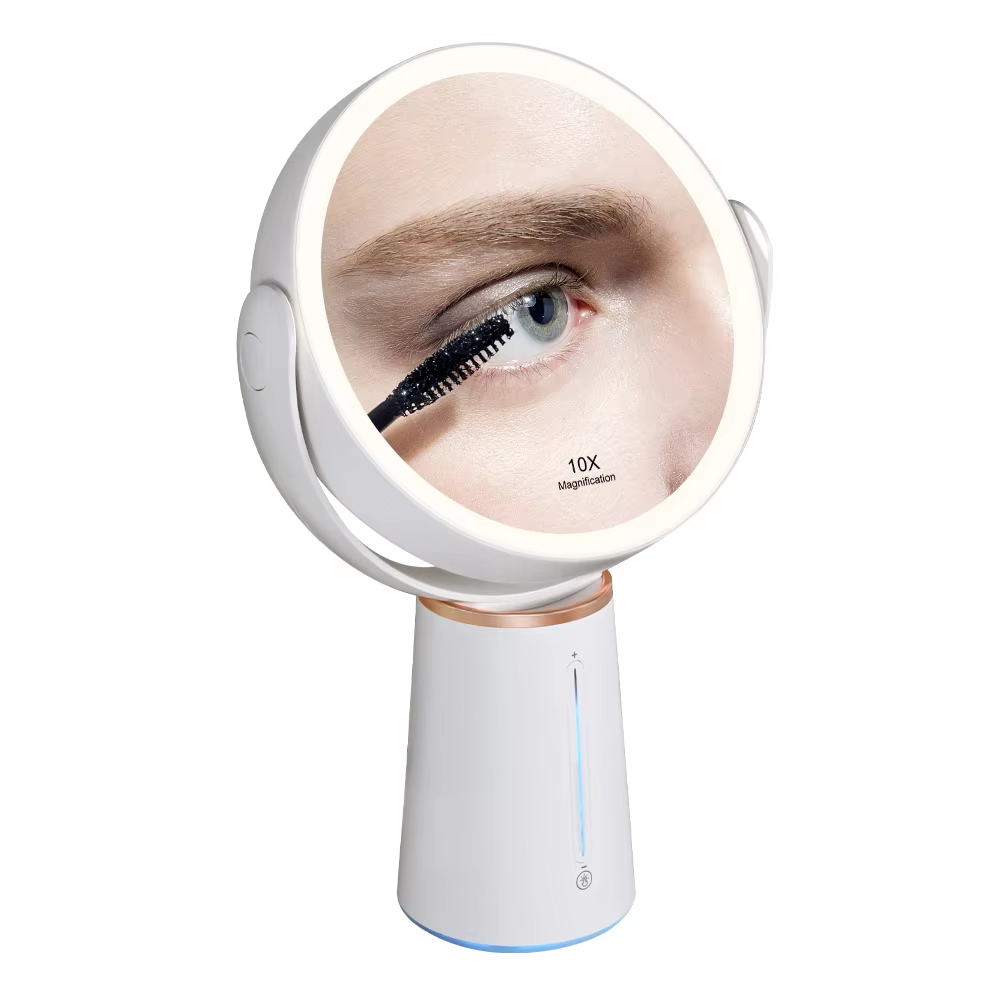
UL and ETL Certifications: Critical Electrical Safety Standards for Vanity Mirror with Lights
Why UL 1598 and ETL Listing Are Non-Negotiable in Bathrooms
Moisture is a real problem in bathrooms when it comes to electrical safety. Condensation builds up, water splashes around, and steam fills the air, all of which can damage insulation, cause corrosion at connection points, and even lead to dangerous short circuits. Standards like UL 1598, which covers lighting fixtures in the US, along with ETL listings from Intertek (a recognized testing lab) aren't just nice additions they're basic safety necessities. These certifications mean products have gone through strict testing by independent experts to ensure they work safely in wet environments.
- Insulation performance under sustained humidity (per UL 1598 §16.4)
- Flame resistance of housing and wiring materials (UL 94 V-0 or better)
- Ground-fault integrity and bonding continuity
Without this validation, risks escalate sharply: per the National Fire Protection Association (NFPA), electrical failures in lighting accounted for 51% of home lighting-related fires in 2021. UL and ETL marks signal proven resilience—not theoretical compliance—in real-world bathroom conditions where daily condensation challenges even well-intentioned designs.
Damp vs. Wet Location Ratings: Matching the Vanity Mirror with Lights to Its Installation Environment
Location determines risk—and certification must match it. UL and ETL classify fixtures based on exposure potential, not aesthetics or convenience.
| Rating | Water Exposure Tolerance | Ideal Installation Area |
|---|---|---|
| Damp | Condensation, incidental splashes | Standard bathroom walls, above sinks, outside shower enclosures |
| Wet | Direct water spray, hose-directed flow | Inside shower stalls, steam rooms, or areas subject to frequent wet-mopping |
Installing a damp-rated mirror in a wet location violates UL 1598’s environmental classification rules and accelerates insulation breakdown—a known precursor to electrocution. In practice, any vanity mirror mounted within 3 feet horizontally and 8 feet vertically of a showerhead or tub spout requires wet-location rating per NEC Article 410.10.
IP Ratings: Understanding Ingress Protection for Vanity Mirror with Lights in Humid Spaces
IP44, IP65, and IP67 Explained: Which Rating Is Required for Safe Bathroom Use?
IP (Ingress Protection) ratings—defined by IEC 60529—quantify protection against solids (first digit) and liquids (second digit). For vanity mirrors with lights, the second digit is decisive:
- IP44 is the minimum acceptable rating for standard bathroom vanities—protecting against splashes from any direction and humidity-driven condensation.
- IP65 adds resistance to low-pressure water jets (6.3 mm nozzle, 30 kPa), making it appropriate for mirrors installed near showers or in commercial spa environments.
- IP67, while offering temporary immersion protection (up to 1 m for 30 minutes), exceeds typical residential needs and rarely appears in mainstream vanity mirror design—its inclusion often signals over-engineering rather than enhanced safety for bathroom use.
Choosing below the required IP rating invites corrosion, LED driver failure, and compromised insulation—especially when paired with unverified thermal management. Always align IP class with both physical placement and local electrical codes.
Global Compliance Beyond North America: CE, SAA, and FCC Relevance for Vanity Mirror with Lights
CE and SAA: What They Guarantee (and Overlook) for Illuminated Vanity Mirrors
Vanity mirrors with built-in lighting must carry a CE mark if they're going to be sold anywhere in Europe. This marking basically means the product meets several key EU regulations. We're talking about things like the Low Voltage Directive from 2014 which deals with electrical safety issues, plus the EMC Directive covering how devices interact with each other electromagnetically, along with restrictions under RoHS regarding harmful materials. What many people don't realize though is that there's no actual requirement for third party checks when it comes to moisture resistance. Manufacturers can just claim their products meet standards without ever subjecting them to proper humidity tests. Down under in Australia and New Zealand, products need SAA certification according to AS/NZS 60598.1 standards. While this covers essential aspects like insulation quality, proper grounding, and what happens during power surges, it doesn't look at how these mirrors hold up after years of exposure to bathroom steam or repeated touching of sensitive control panels.
FCC Compliance: Why Electromagnetic Interference Matters in Smart Vanity Mirror with Lights
Smart vanity mirrors with lighting and wireless features like Bluetooth or Wi-Fi need FCC Part 15 certification before they hit the market. This certification makes sure these devices don't emit electromagnetic signals strong enough to interfere with important medical equipment such as pacemakers and hearing aids, plus airplane communication systems and home internet connections. What the FCC actually tests are the radio waves and electrical signals coming from the mirror's active components. They aren't looking at things like whether the mirror is electrically safe (that's what UL or ETL certifications handle), how protected it is from water and dust (the IP rating takes care of that), or if it gets dangerously hot during operation. When it comes to mirrors packed with technology, getting FCC approval isn't optional. It works alongside other necessary certifications rather than replacing them, creating an extra safeguard so these smart mirrors can safely exist alongside all the other gadgets people have in their homes today.
Hidden Safety Risks: Thermal Management, Driver Certification, and Component-Level Compliance Gaps
Vanity mirrors with lights often overlook overheating as a serious problem. The LED drivers inside these mirrors produce quite a bit of heat, especially when installed in those sealed frames or backlit enclosures that don't allow proper air circulation. When there's no good thermal management system in place like aluminum heat sinks, special conductive glue, or clever ventilation holes, temperatures just keep climbing past what's safe for operation. This causes LEDs to lose brightness faster than normal and damages the wiring insulation over time. A big reason why many mirrors fail prematurely is because some manufacturers use cheap, non-certified drivers. These budget options skip important safety features such as moisture resistant sealing, protection against electrical surges, and automatic shut down systems required by standards like UL 1310 for standard power supplies and UL 8750 specifically for LED products.
When looking at component level issues, they actually make existing risks worse. Even if a mirror has that complete UL marking on it, there's no guarantee everything inside meets standards. We've seen cases where non compliant switches get used alongside poor quality internal wiring like those non UL listed stranded conductors. Sometimes even the adhesive tape doesn't have proper flame retardant backing. All these things basically sidestep what happens during system level testing. The 2024 Electrical Safety Review pointed out something pretty alarming too. When LED circuits aren't properly regulated, thermal runaway can cause temperature spikes of more than 40 degrees Celsius within just two minutes. Real safety isn't about checking off certifications alone. Manufacturers need to go deeper. They should demand actual documentation showing drivers are listed correctly, see real thermal test results, and establish clear component traceability records rather than relying solely on end product approvals.
FAQ Section
Why are UL and ETL certifications important for vanity mirrors with lights?
UL and ETL certifications indicate that the product has undergone strict testing for safety in wet environments, essential for preventing electrical safety hazards in bathrooms.
What's the difference between Damp and Wet location ratings?
Damp location ratings are suitable for areas with incidental splashes and condensation, while Wet location ratings are for areas with direct water exposure, like inside shower stalls.
Why are IP ratings crucial for safety in bathrooms?
IP ratings determine the level of protection against solids and liquids, ensuring that bathroom fixtures are safe from moisture-related damage.
What does the CE mark guarantee for vanity mirrors with lights?
The CE mark ensures compliance with EU regulations, including electrical safety, electromagnetic compatibility, and restrictions on harmful materials, but does not require moisture resistance testing.
Why is FCC compliance necessary for smart vanity mirrors?
FCC compliance ensures that smart mirrors do not emit electromagnetic signals that can interfere with medical equipment and other devices in the home.
Table of Contents
- UL and ETL Certifications: Critical Electrical Safety Standards for Vanity Mirror with Lights
- IP Ratings: Understanding Ingress Protection for Vanity Mirror with Lights in Humid Spaces
- Global Compliance Beyond North America: CE, SAA, and FCC Relevance for Vanity Mirror with Lights
- Hidden Safety Risks: Thermal Management, Driver Certification, and Component-Level Compliance Gaps
-
FAQ Section
- Why are UL and ETL certifications important for vanity mirrors with lights?
- What's the difference between Damp and Wet location ratings?
- Why are IP ratings crucial for safety in bathrooms?
- What does the CE mark guarantee for vanity mirrors with lights?
- Why is FCC compliance necessary for smart vanity mirrors?