
 EN
EN

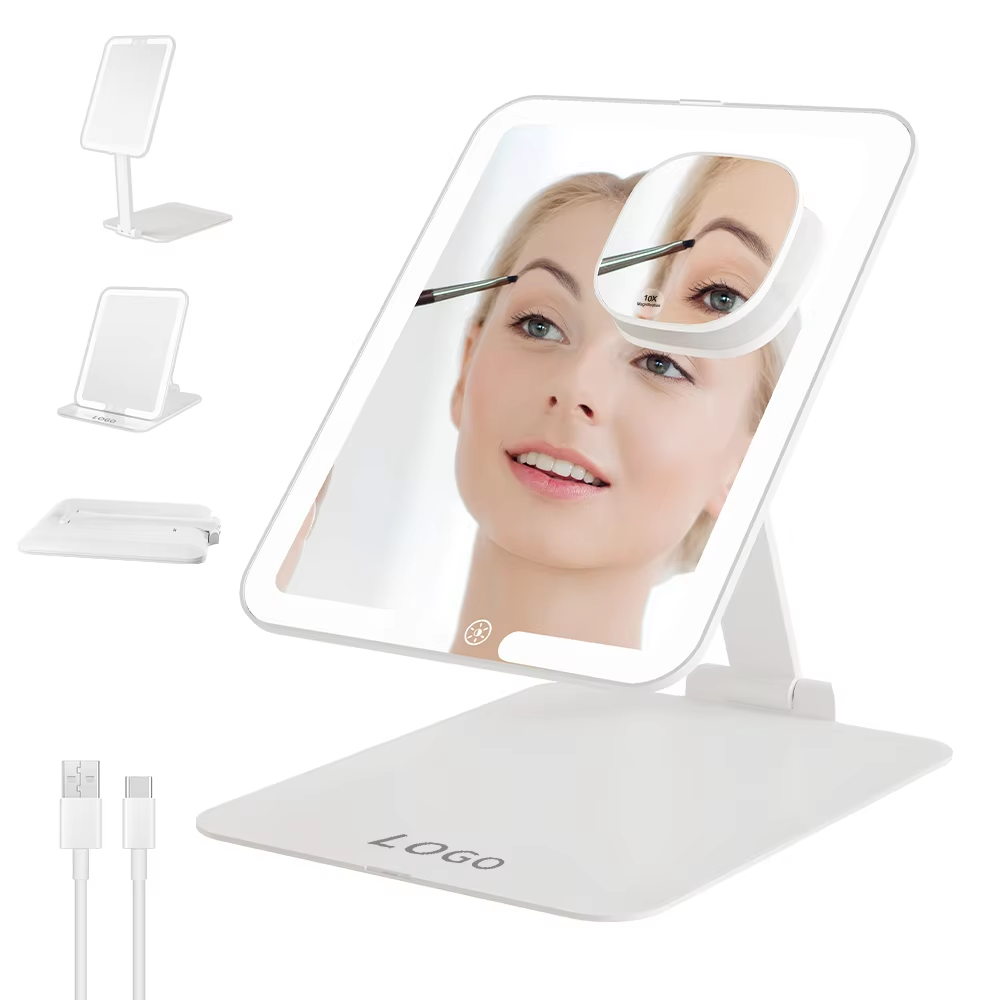
Lighting Quality: Why CRI, Color Temperature, and Dimmability Matter in a Vanity Mirror with Lights
CRI 95: Ensuring True-Color Accuracy for Flawless Professional Makeup
Professional makeup artists need at least a Color Rendering Index (CRI) of 95 when setting up their workspaces. The CRI basically tells us how well a light shows true colors next to sunlight, which matters a lot for getting foundations right, making sure eyeshadows look natural, and seeing those tiny skin tones underneath. When mirrors have a CRI under 90, colors start looking off. Studies from the beauty industry actually show that around two thirds of all foundation color problems in salons come from poor quality lighting. And let's face it, nobody wants to waste time and money on reshoots for magazines, weddings, or HD videos. That's why most pros treat CRI ratings above 95 as non negotiable these days. It's not just about looking good in photos; it builds trust with clients who expect perfection.
Optimal Color Temperatures (2700K–5500K) for Versatile Lighting Scenarios
High quality vanity mirrors these days come with adjustable color temps spanning a wide range. Think about warm 2700K light which works great for evening looks or when creating that cozy bedroom vibe. Then there's the neutral 4000K option and the brighter 5000K to 5500K range commonly found in photo studios. The warmer lights actually help makeup look more natural when applied in dimmer spaces. When things get serious though, most makeup artists switch to those 4000K to 5000K settings because they provide just enough clarity for detailed work like blending shadows or getting ready for photoshoots. For stuff that needs extra precision, like defining eyebrows or doing eyeliner for HD cameras, going above 5000K makes all the difference since it brings out more contrast and tiny details. According to recent industry reports, around 8 out of 10 professional makeup artists carry at least three different preset color temperatures with them. They need this flexibility to handle everything from romantic wedding setups lit by candles to high energy film locations where the lighting is super bright.
Dimmable & Tri-Tone Controls: Precision Lighting Adaptation for Skin Tone and Shadow Management
Real dimmability goes beyond simple step changes in brightness and lets lighting adapt on the fly to whatever ambient conditions exist in a space, how reflective surfaces are, and what specific requirements clients might have. When combined with tri tone LED setups that mix warm, neutral and cool light sources together, makeup artists get the ability to fine tune temperature settings so they match different skin tones better. This cuts down those nasty shadows that form right under eyebrows, along jawlines or around cheekbones which can really mess up contour work and make age lines stand out more than intended. Most pros we talked to care deeply about this kind of control, especially when working with HD cameras where bad lighting just ruins everything. The smoothness of flicker free dimming makes colors stay true no matter what intensity level is used, so results look consistent from one session to the next without needing constant readjustments.
Magnification and Ergonomic Design for Long-Hour Professional Use
Multi-Level Magnification (1x, 5x, 10x): Matching Lens Power to Specific Makeup Tasks
Full-Range Adjustability: Tilt, Swivel, and Extendable Arms for Posture Support and Client-Facing Setup
Poor ergonomics at work doesn't just happen by accident. It's actually part of the job itself. The Occupational Health Journal reported last year that nearly half of all professional makeup artists end up with chronic neck or back issues within just five years of starting their careers. These problems usually come from staying in one position too long and having equipment placed awkwardly around them. Good quality mirrors can really help here. Look for ones that offer plenty of adjustment possibilities. Some models let the mirror rotate completely around (a full 180 degrees), tilt forward or backward about 45 degrees either way, and have arms that extend from 18 inches up to 30 inches long. This kind of flexibility keeps the spine in a natural position whether someone is sitting down doing their own makeup or standing up working on clients. Another important factor is stability. Mirrors with heavy bases that absorb vibrations stay put even when detailed work needs precision. And there are different ways to mount these mirrors too. Many salons prefer wall brackets for permanent setups, but others need something portable for film sets or location jobs, so having both wall-fixed and freestanding options makes sense for different situations.
Mirror Construction and Dimensions Optimized for Salon and On-Set Workflows
How a vanity mirror is built really affects how smoothly things run, keeps people safe, and offers different ways to use it. Most salons go for frameless mirrors made from thick tempered glass, at least 5mm thick, because they cut down on visual mess and stand up better against makeup splatters and everyday wear and tear. Mirrors that are around 24 to 36 inches wide work best generally. They give good face coverage so stylists can check both sides properly, but still fit into smaller work areas where space matters. When working on film sets, lighter acrylic options weighing under 15 pounds with tripods that fold away come in handy for moving stuff quickly between locations while keeping the image clear. Getting the right mounting system is super important too. Wall mounts keep mirrors steady in permanent spots, while heavy bases let them move around as needed. The mirror shouldn't stick out more than about six inches from the wall either, otherwise clients bump into them when moving through busy areas during appointments. All these design decisions matter a lot whether styling models at fashion week events, running a small beauty shop, or setting up temporary stations elsewhere. Good mirror design means professionals don't have to sacrifice quality or safety just to get the job done.
Durability and Performance Standards Validated by Professional MUAs
50,000+ Hour Flicker-Free LEDs, IP44 Rating, and Stable Mounting for Daily Studio Reliability
Real work environments need gear that can take a beating, not just look good. LED lights that don't flicker and last well over 50 thousand hours provide steady illumination without those annoying strobe effects that tire the eyes after hours of work. Plus they maintain accurate colors throughout their lifespan. The IP44 rating means these lights stand up to dust and accidental water exposure, which matters a lot when dealing with makeup products, setting sprays, and powders that tend to fly around. Mounting options matter too. Strong wall mounts or heavy base stands keep everything upright even when clients move around or someone needs to adjust angles mid-session. All these engineering details actually make a difference day to day. Less downtime fixing broken equipment, cheaper replacements down the road, and artists who stay focused on their craft instead of worrying about lighting failures. That's what makes professional studios tick.
FAQ
What is CRI and why is it important for vanity mirrors?
CRI stands for Color Rendering Index and is crucial for vanity mirrors because it determines how well the light can represent true colors. Mirrors with CRI above 95 ensure accurate makeup application and reduce the likelihood of color discrepancies, especially important for professional makeup artists.
Why are multiple color temperatures important for vanity mirrors?
Multiple color temperatures allow for versatility in lighting conditions, accommodating various settings like romantic weddings or bright film locations. Makeup artists benefit from this flexibility to enhance their work under different conditions.
How does dimmability influence makeup application?
Dimmability allows for precision in lighting adjustments to suit ambient conditions and client needs. Tri-tone LED setups enable makeup artists to align temperature settings with different skin tones and manage shadows effectively during application.
Why is ergonomic design important for vanity mirrors?
Ergonomic design helps prevent chronic neck and back issues, common among makeup artists. Mirrors with adjustable features support natural posture, reducing strain during long sessions.
Table of Contents
- Lighting Quality: Why CRI, Color Temperature, and Dimmability Matter in a Vanity Mirror with Lights
- Magnification and Ergonomic Design for Long-Hour Professional Use
- Mirror Construction and Dimensions Optimized for Salon and On-Set Workflows
- Durability and Performance Standards Validated by Professional MUAs
- FAQ