
 EN
EN

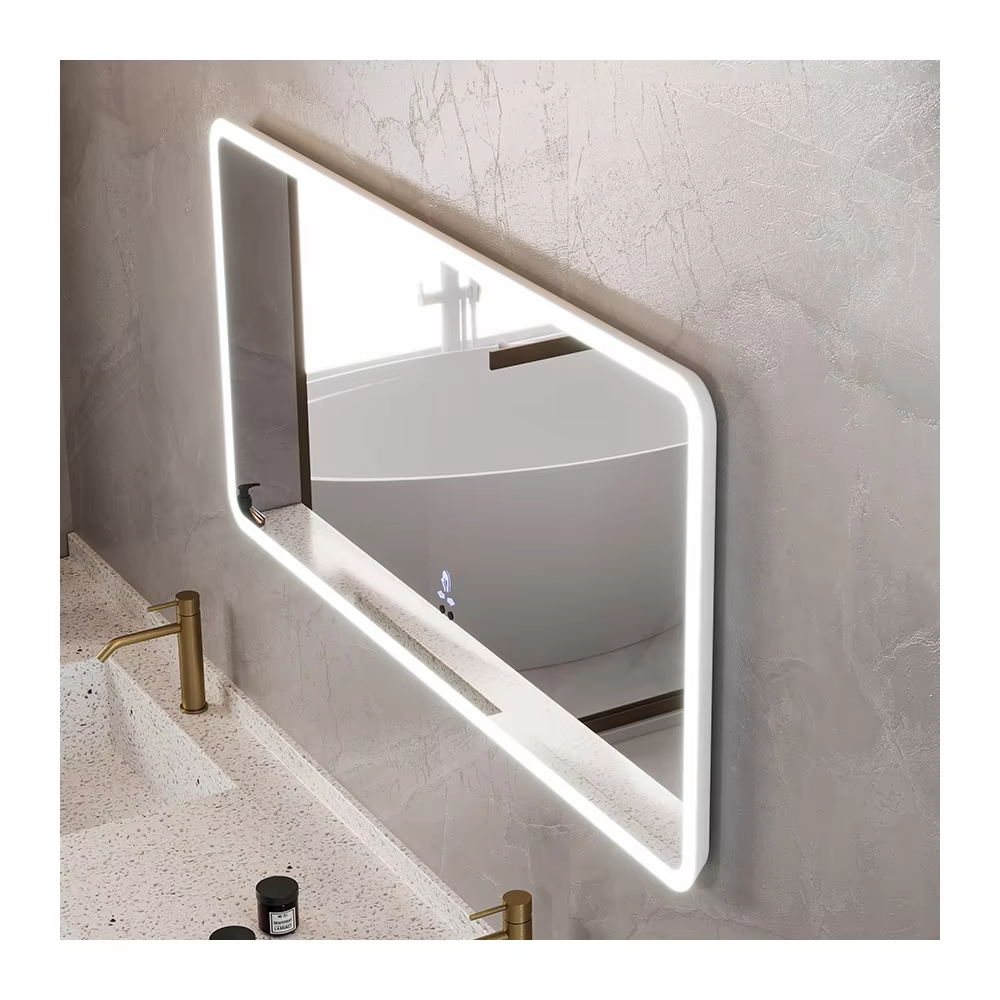
Defining the Entry-Level Smart Mirror: Hardware, Features, and the $100–$500 Range
Minimum Viable Specifications for a Functional Smart Mirror
For an entry level smart mirror to work properly, it needs some basic hardware components first. The mirror should have decent LED lighting around 1000 lumens minimum, be built to handle moisture since bathrooms get pretty damp, and just plug into regular outlets instead of needing special installation. When looking at specs, check for a good Color Rendering Index above 80 so colors look right when getting ready, tempered glass for safety reasons, and easy dimmer controls. Mirrors missing these basics tend to fail faster in those moist bathroom conditions. Although they won't come with fancy touch screens or voice assistant features at this price point, they still offer reliable lighting for morning routines and evening prep work. According to industry reports, cheaper models without these fundamental features often break down 40 to 70 percent more frequently within the first year and a half of use.
Why $100 Represents the Practical Floor for Reliable Performance
The bottom line is around $100 for anyone wanting a decent smart mirror that lasts. Just getting UL certified parts, tempered glass, and those IP44 rated bits costs between 65 to 85 bucks per unit already. That leaves hardly anything left for putting it all together and shipping it out. When prices drop below this mark, companies start cutting corners on safety stuff. We see things like poor moisture protection, weak LED lighting, or wiring that doesn't meet regulations. Look at what consumers are finding too: cheaper mirrors under 100 dollars need replacing about three times quicker than regular ones. So yeah, $100 seems to be where most folks can get both necessary features and something built to last reasonably well.
When $500 Signals the Upper Limit—and Where Mid-Tier Capabilities Begin
Exceeding $500 transitions smart mirrors into mid-tier territory through enhanced capabilities:
| Feature | Entry-Level ($100–$300) | Mid-Tier ($300–$600) |
|---|---|---|
| Lighting | Fixed white LEDs | Adjustable CCT (color temperature) |
| Defogging | Not available | Standard with timer |
| Controls | Basic switches | Touch/App interface |
| Smart Features | None | Bluetooth/Wi-Fi |
| Frame Build | Plastic/thin metal | Anti-tarnish metal |
This tier adds larger sizes (36–48 inches), extended warranties, and foundational smart home integration. Beyond $500, advanced functionalities like voice assistants or health tracking become prevalent.
How Build Method and Branding Impact Entry-Level Smart Mirror Pricing
Entry-level smart mirror pricing hinges significantly on manufacturing approach and brand positioning. Understanding these dynamics reveals how prices span from budget DIY solutions to professionally assembled units carrying established brand value.
DIY Kits vs. Pre-Built Units: Cost Differences in Assembly, Support, and Warranty
The most significant price variation stems from assembly method. DIY smart mirror kits require consumers to source components (two-way mirror, display panel, computing unit) and handle assembly. Material costs typically range from $200–$600, making this the most affordable entry point. However, these savings come with trade-offs:
- Requires 15–30 hours of technical labor
- Lacks professional quality assurance
- Excludes warranty coverage
- Demands troubleshooting expertise
Pre-built units eliminate assembly burdens but incur manufacturing expenses. Labor, factory overhead, and standardized testing add $150–$300 to base costs. Crucially, these models include warranties (typically 1–3 years) and customer support—critical for non-technical buyers.
Table: Cost Component Comparison
| Factor | DIY Kits | Pre-Built Units |
|---|---|---|
| Material Costs | $200–$600 | $300–$800 |
| Labor/Assembly | Self-provided | $150–$300 embedded |
| Technical Support | Community forums | Dedicated channels |
| Warranty Coverage | None | 1–3 years |
Brand Premiums in the Entry-Level Smart Mirror Market (22–37% Markup)
Established brands command 22–37% price premiums over generic alternatives. This markup stems from:
- Perceived reliability from documented quality testing
- Streamlined integration with smart home ecosystems
- Design consistency across product lines
- Extended software support for security updates
A leading manufacturer’s $350 model often outperforms a $275 generic alternative in real-world lifespan by 40%. For risk-averse buyers, this justifies the premium despite identical core specifications like screen size or lighting features. The premium narrows at higher price tiers where generic brands invest more heavily in quality control.
Consumer Adoption Barriers: Why Price Dominates Over Feature Trade-Offs
The biggest hurdle keeping smart mirrors from becoming popular among regular consumers is still price sensitivity, which tends to trump any discussion about features most of the time. People watching their budgets simply care more about how much something costs than whether it has fancy stuff like voice control or built-in apps. Research indicates that interest drops off dramatically once prices go above $300 mark. Technical difficulties and worries about privacy do matter, but they take a back seat when the sticker price crosses what folks consider reasonable. Take the market below $500 for instance – around seven out of ten buyers there say cost was their main reason for purchasing, whereas only about one in five actually cared about those premium features. Because of this focus on price first, companies making these devices have to constantly find ways to cut costs without sacrificing too much functionality if they want anyone to buy them.
Value Optimization Strategies for Buyers Seeking the Best Entry-Level Smart Mirror
Prioritizing Must-Have Smart Mirror Features Within Budget Constraints
Put around two thirds of what you spend towards the basics that really matter: things like adjusting lights, controls that work when needed, and steady power supply throughout. Most basic models skip out on fancy extras such as skin sensors or step counters so focus more on how long something lasts rather than what flashy bells it has. Looking at recent smart home stats from last year shows people who stuck with fundamental features ended up much happier overall compared to folks spending extra cash on minor improvements. Don't waste money on unnecessary gadgets either. Better to get devices with good touch screens that respond quickly and frames built to last through everyday wear and tear.
Where to Buy: Evaluating Retailers, Refurbished Options, and Early-Bird Launch Deals
The big online marketplaces really shine when it comes to comparing prices on smart mirrors under $500. Refurbished versions can cut costs anywhere from about 15% down to maybe even 30%, which makes them pretty attractive options. Always check what kind of warranty comes with any purchase, ideally looking for at least one full year of coverage. Returns should be straightforward too. When hunting for brand new products, keep an eye on crowdfunding sites where early bird pricing sometimes pops up. Just remember to steer clear of campaigns that haven't actually built working prototypes yet. Going through certified refurb shops strikes a good middle ground between budget friendly and decent quality. These places tend to include parts that have been properly stress tested, something many super cheap DIY alternatives skip entirely. Try to plan buying during major holidays or end of season sales periods since basic models often drop in price quite regularly then.
Frequently Asked Questions (FAQ)
-
What basic features should I expect in an entry-level smart mirror?
A functional entry-level smart mirror should have proper LED lighting, tempered glass, a good Color Rendering Index, and moisture-resistant build without fancy touch screens or voice features. -
Why is $100 considered the minimum for purchasing a decent smart mirror?
$100 is deemed as the practical floor because below this price companies often compromise on essential features such as moisture protection and electrical certifications. -
What are the advantages of pre-built units over DIY kits?
Pre-built units eliminate assembly burdens, offer warranty coverage, and offer dedicated customer support, whereas DIY kits require substantial labor and lack professional quality assurance. -
Why do established brands command a higher price?
Brands charge premiums for reliability, streamlined integration with other smart home devices, design consistency, and extended security support. -
How can I optimize my purchase for value?
Focus your expenditure on essential features like reliable lighting and control mechanisms, considering refurbished options or shopping during promotional sales.