
 EN
EN

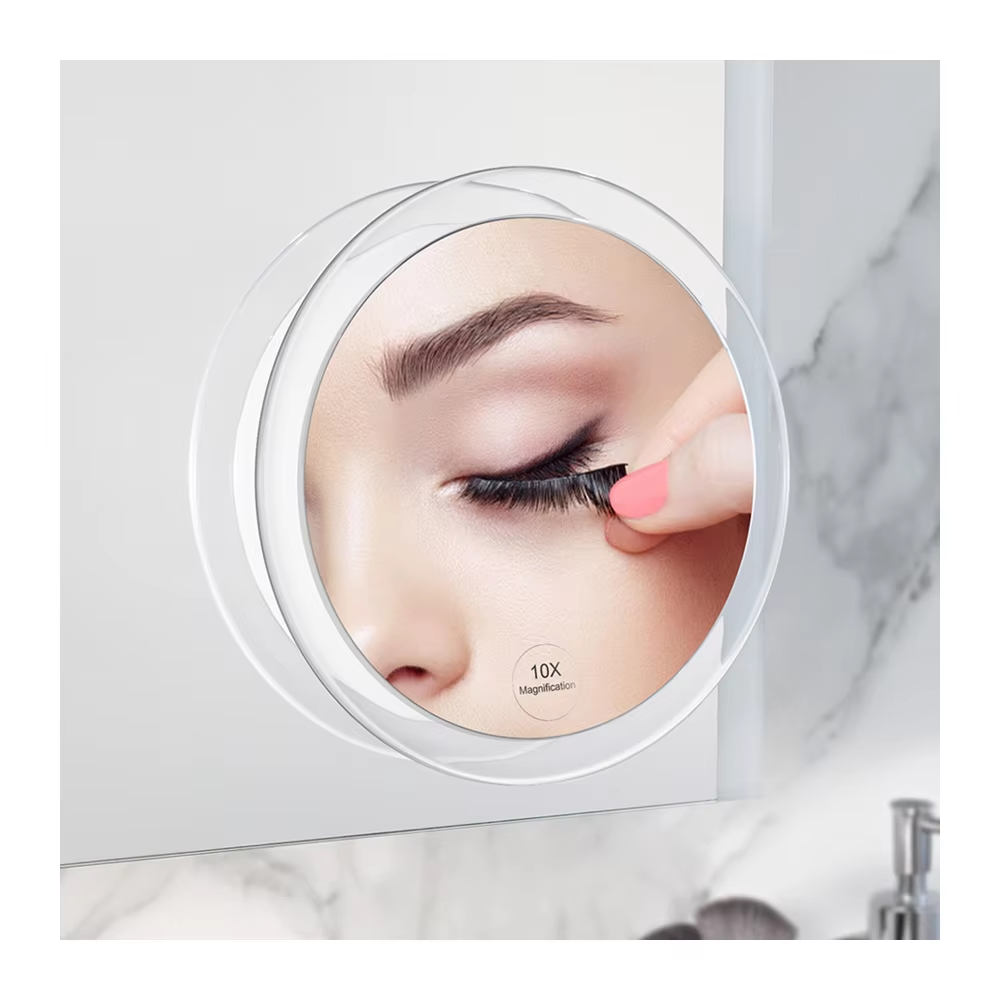
How Magnification Power Dictates Optimal Viewing Distance
The Focal Length Distance Relationship Explained
The way magnifying mirrors work has everything to do with optics, specifically how far away someone needs to stand for the best view. When there's more magnification power, the mirror actually needs to be held closer to see things clearly without distortion. Take a regular 5x mirror, for instance, it works pretty well when held about 6 to 8 inches from the face. But if someone grabs a stronger 10x mirror, they have to get much closer, around 4 to 5 inches away; otherwise, everything gets blurry. What happens here is that higher magnification makes the sweet spot smaller. Move too far or too close, and details start to disappear or colors might look off. Real-world experience from skincare professionals shows just how important this gets. If an aesthetician isn't right in the sweet spot, pores can appear completely different than they actually are, sometimes changing their size perception by as much as 40%, according to a recent study published in Dermatology Tools Report.
Why Lower Magnification (3x–5x) Offers Flexibility, While Higher (7x–10x) Demands Precision
- Lower Magnification (3x–5x): Supports a broader working range of 6–12 inches, accommodating natural posture shifts during makeup application or daily grooming. This flexibility reduces neck strain by 30% compared to high-magnification use (Ergonomics Journal 2024).
- Higher Magnification (7x–10x): Confines users to a narrow 3–6 inch “sweet spot.” Exceeding this range causes severe geometric distortion; falling short obscures micro-details critical for tasks like microblading or extraction work.
Clinical settings prioritize high-magnification precision for procedures such as comedone extraction, where even 2mm distance errors compromise visibility and safety. Retail environments, in contrast, favor mid-range mirrors for their adaptability during customer consultations and product demonstrations.
Identifying Your Personal Optimal Distance for Clarity and Comfort
Step-by-Step Method to Determine Your Ideal Magnifying Mirror Distance
Start holding that magnifying mirror out at arm's length, somewhere around 20 to 25 inches away from your face. Slowly bring it in closer while keeping an eye on something specific like how defined those eyebrows really are or if pores become visible. Find that sweet spot where everything comes into focus clearly without any weird distortions or glowing edges around features. Most people find this happens when the mirror is about 8 to 12 inches away for those 7x to 10x magnifiers. Try applying some eyeliner too. Pay attention to where the line looks sharp enough but still feels comfortable to work with over time. Higher powered mirrors need pretty exact placement, whereas lower magnification options from 3x to 5x give more flexibility. These usually stay clear even when held further back, maybe 12 to 18 inches away. Give this whole process a shot three or four times throughout the day. Write down what distance works best so eventually you won't spend ages fiddling with position every morning before getting ready.
Recognizing Visual Cues: When Distortion or Eye Strain Signals Incorrect Distance
When someone sees warped reflections, curved edges, or loses detail at the periphery, that's usually a clear indicator something's off-position. If objects look stretched out or squished together, back away right away. Eye strain is another red flag worth paying attention to. Headaches, dry eyes, or trouble focusing for even 2-3 minutes straight means we're sitting too close. People often don't realize it, but their bodies give clues they need adjusting. Leaning forward constantly or tilting the head up are telltale signs something isn't quite right. For those doing skin checks professionally, getting the distance wrong can lead to mistakes about how textures look or miss early signs of problems on the skin. The fix? Make tiny adjustments bit by bit until everything looks stable again and any discomfort goes away within about ten seconds. Most folks find this trial and error approach works better than trying to get it perfect all at once.
Applying the Right Distance in Key B2B Use Cases: Makeup, Skincare, and Clinical Tasks
Makeup Application: Balancing Detail Visibility and Arm Ergonomics
Makeup artists know that finding the right distance from their magnifying mirror makes all the difference between good work and great work. Most pros find that sitting about 8 to 12 inches away works best because it shows every little detail on the skin without making their arms feel awkward or forcing their wrists into strange positions. When mirrors are too close, things actually look distorted, and artists end up bending their wrists in ways that can lead to hand pain down the road. Studies show this kind of positioning increases the chance of repetitive strain injuries by around 40%, according to Ergonomics Journal last year. Getting this distance right matters a lot when doing precise work like applying eyeliner or working with individual lashes. Salon workers especially appreciate this balance since they often have multiple clients throughout the day and need to maintain both quality and comfort during long hours at the station.
Professional Skincare & Dermatology: Why Consistent Distance Matters for Accurate Assessment
Getting the focal distance right matters a lot in clinical work. For those 5x to 7x mirrors commonly used, keeping things around 10 to 14 inches away from the skin surface (about 25 to 35 cm) isn't just recommended but absolutely necessary if we want reliable diagnoses. Even moving the mirror just two inches off can mess with how light works through the optics and change what magnification actually does. This might hide tiny texture problems or catch early signs of something wrong before they become obvious. According to some recent studies cited in the Dermatology Tools Report from last year, about one-quarter of all assessment differences between doctors come down to simply holding mirrors at different distances. When tracking progress over time, especially with things like acne clearing up, healing after procedures, or changes in skin pigmentation, these small measurement shifts make a real difference. That's why having consistent positioning becomes so important for documenting patient progress accurately.
FAQ Section
What distance should I maintain for a 5x mirror?
A 5x mirror works well when held about 6 to 8 inches from the face.
How does magnification affect mirror positioning?
The higher the magnification, the closer you need to position the mirror to avoid distortion.
What signs indicate incorrect mirror distance?
Visual cues such as warped reflections and eye strain indicate it's time to adjust the mirror distance.
How should I determine the best mirror distance?
Test different distances for clarity and comfort, and note which position works best over time.