
 EN
EN

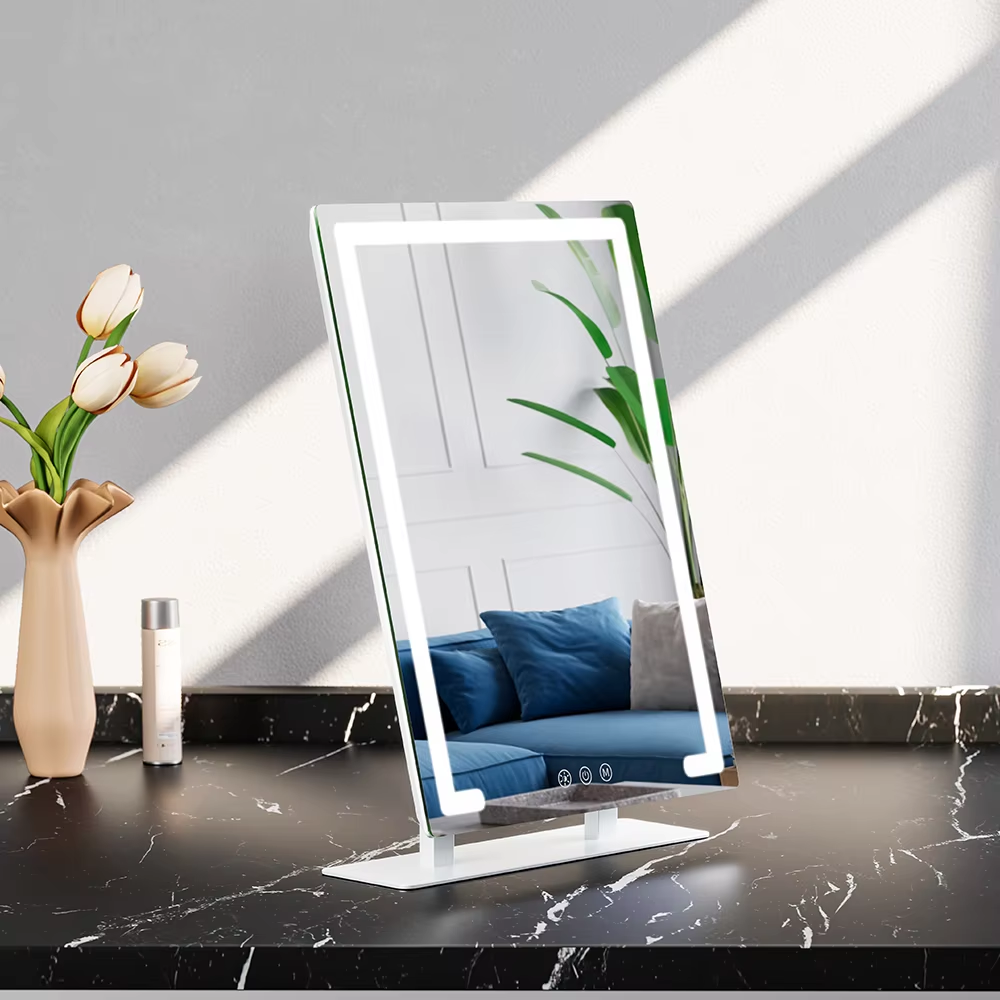
Adaptive Smart Lighting for Precision and Wellness
Fog-Free Technology with Tunable LED Arrays
High end smart mirrors for bathrooms come equipped with anti fog LED lights that turn on when moisture builds up, so people can see clearly after stepping out of the shower without having to wipe them down manually. These mirrors do more than just prevent fogging though. They also have adjustable LED lighting where users can tweak both the color temperature ranging from warm 2700K to cool 5000K and change how bright they want it depending on what they're doing. The middle ground at around 4000K gives pretty accurate colors which is great for applying makeup or getting ready for work in the morning. And since the brightness can be adjusted, there's no harsh glare bothering eyes either. What started as just a mirror has now become something much more useful in daily routines, combining basic functionality with lighting options that adapt to different needs throughout the day.
Circadian-Optimized Illumination: Daylight Simulation for Skincare and Grooming
Smart mirrors do more than just show what we look like; they actually work with our body's natural rhythms. When morning comes around, these mirrors emit cool white light around 5000K which helps wake us up and shows off our real skin colors so we can properly assess our skin condition for skincare routines. Come night time, the mirror changes things up, switching to those warm amber tones at about 2700K. This cut down on blue light that messes with our sleep hormones. Studies in dermatology have shown that getting the right kind of light at the right times really does help skin repair itself better during the night, maybe even boosting regeneration by roughly 22 percent according to some research published last year. These mirrors basically mimic how sunlight works throughout the day, helping us get better results when we groom ourselves while also taking care of our skin over time. Pretty neat way to bring scientific benefits into something as simple as looking in the mirror every day.
Intelligent Human-Mirror Interaction via AI and Multimodal Controls
Touch, Voice, and Gesture Recognition for Hands-Free Operation
Smart mirrors these days let people interact in all sorts of ways - touching the glass works fine, but many models also respond to voice commands and even recognize hand gestures so folks don't have to actually touch anything. This matters a lot in bathrooms or kitchens where hands might be wet or messy. The capacitive sensors underneath pick up finger movements for scrolling through info, while special microphones cancel out background noise to understand spoken requests such as "turn down the lights" or "what's the weather forecast". When connected with artificial intelligence that gets smarter over time, these mirrors start learning what users typically do each day. They'll automatically make bigger whatever panel someone looks at most often, or stop showing alerts when someone is brushing teeth or shaving. Research published last year in the Human-Computer Interaction Journal found that having multiple input options cuts down on how long it takes to finish tasks by around 40 percent compared to just one way of interacting.
AI-Powered Skin Analysis and Personalized Beauty Insights
Modern devices equipped with high resolution cameras and special light sensors can now analyze skin conditions in real time almost like what doctors would do during a consultation. These tools check things like how hydrated the skin is, how visible pores appear, and spot early warning signs of irritation with about 95 percent accuracy according to research published in the Journal of Dermatological Science last year. Smart algorithms then compare all this information against factors such as room humidity levels and what kind of skincare products someone typically uses, coming up with practical recommendations ranging from specific moisturizer blends to figuring out when it's safe to spend time outside without getting burned by UV rays. The actual image processing happens right inside the device thanks to tiny computer chips that handle everything locally, which keeps private information secure and allows people to get immediate results without waiting. When tracking changes over time, these devices store the data safely within themselves too, creating easy to understand progress reports showing stuff like "redness decreased by 23% after eight weeks" so individuals can actually see if their treatments are working based on concrete numbers rather than just guesswork.
Seamless Smart Home Integration and Real-Time Information Display
Smart bathroom mirrors at the higher end of the market function as central control hubs, connecting wirelessly to things like lights, heating controls, home security setups, and virtual assistants. Just saying something out loud or tapping once starts whole sequences happening together - lights get brighter, calendar events show up on screen, maybe the temperature gets adjusted too. The mirror displays useful stuff without being intrusive, showing weather info, traffic conditions, or headlines right there in the glass so people don't have to grab their phone or tablet every time they want a quick check. When someone unlocks their main entrance, the mirror might respond by turning on gentle background lighting throughout the space. All these connected functions cut down on daily hassles, keep users better informed about what's going on around them, and actually save power because everything works together instead of separately, all controlled through this single easy-to-use interface.
Health Monitoring Capabilities Built into the Smart Bathroom Mirror
Non-Contact Vital Sign Tracking and Posture Feedback
Smart mirrors these days do much more than just look good on bathroom walls. They've become pretty impressive health trackers without needing any physical contact or wearable devices. These gadgets use those fancy optical sensors to measure things like heart rate, blood oxygen levels (that's SpO2 for short), and even give rough estimates of blood pressure. Pretty cool when you think about it. Some models come with built-in cameras that work with artificial intelligence to spot posture issues while someone brushes their hair or applies makeup. People who struggle with back problems find this really helpful because it shows them when they're slouching or standing awkwardly. According to a recent report from Wellness Technology Review in 2024, around two thirds of people saw better posture habits after eight weeks of getting these reminders. On top of all that, there's something called multispectral imaging which looks at how hydrated our skin is, checks for uneven coloring, and measures oil production. All this information gets fed into smart algorithms that suggest specific skincare products or routines tailored to what each person needs. What we end up with is basically a mini health center right there in front of us every morning and night.
Frequently Asked Questions
What is adaptive smart lighting?
Adaptive smart lighting in mirrors allows users to adjust the LED color temperature and brightness based on their specific needs, from cooler tones for waking up to warmer hues for relaxation.
How do smart mirrors aid in skin care?
Smart mirrors utilize circadian-optimized lighting and AI-powered skin analysis to help users' skin repair and analyze its condition in real time, offering personalized skincare recommendations.
How do smart mirrors integrate into a smart home?
These mirrors can connect wirelessly to control lights, heating, and security setups, providing real-time information like weather and traffic conditions right on the mirror surface.
What health monitoring features do smart mirrors offer?
High-end smart mirrors can track vital signs like heart rate and SpO2 non-intrusively, and offer posture feedback with AI to improve daily habits.