
 EN
EN

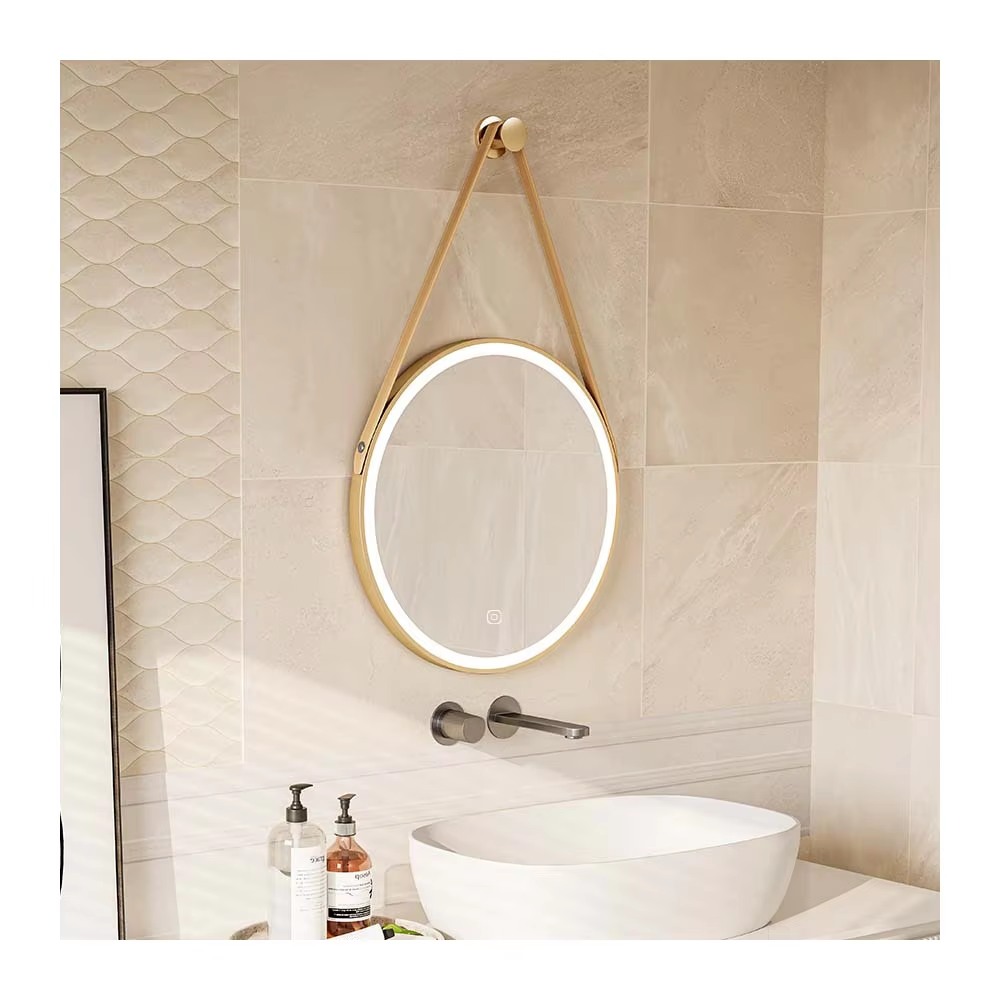
Why Voice-Controlled Smart Bathroom Mirrors Are Essential in Luxury Renovations
Putting voice controlled smart mirrors in bathrooms isn't just something fancy anymore it has become almost essential for hotels wanting to upgrade their spaces. These mirrors turn regular bathrooms into interactive areas where guests can adjust lights, temperature settings, and even play music simply by speaking naturally. The hands free aspect really matters now, especially since people are still concerned about cleanliness after everything that happened during the pandemic. Plus, not having to touch anything with wet hands looks nicer too. And there's another angle worth mentioning. Hotels that install these smart mirrors see significant improvements in operations. Some places have noticed around 40 percent drop in basic questions at the front desk, which means employees can spend more time on meaningful conversations with guests instead of answering repetitive queries.
When smart mirrors connect with systems like Alexa or Google Assistant, hotels can link them to room controls and guest information pretty easily. This kind of connection makes it possible to create really personalized guest experiences adjusting things according to loyalty status or previous visits which has been shown to increase guest satisfaction ratings around 25% give or take. These mirrors also generate money quietly behind the scenes. They let staff suggest extra services such as booking a spa treatment or making dinner reservations right from the mirror interface. Hotels that don't get on board with this tech risk falling behind competitors because high end guests now want their surroundings to just know what they need without being asked.
Key Smart Bathroom Mirror Features Driving Guest Experience & Brand Differentiation
Contextual voice control: From lighting and climate to real-time spa or dining bookings
Smart bathroom mirrors equipped with voice recognition technology are becoming central points in hotel guest experiences. Visitors can control things like room lighting and temperature just by speaking naturally commands such as "make the lights a bit warmer" or maybe even asking for "less moisture in the air." These mirrors connect seamlessly to various hotel operations including the main booking system (PMS) and sales platform (POS). This connection allows guests to book services right from their mirror. For instance, saying something like "I want a couple's massage at three this afternoon" will check if there's availability at the spa and actually make the reservation happen. Hospitality industry reports show that hotels implementing these intelligent systems see around a 70% drop in how much effort it takes guests to get what they need. The convenience factor remains high while still maintaining that luxurious personalized feel guests expect from top tier accommodations.
Branded, personalized UI powered by PMS/CRM integration and loyalty data
Smart mirrors connected through hotel management systems can become powerful tools for guest recognition. When someone returns, these interfaces will greet them personally and show what perks they have based on their loyalty status plus special deals tailored just for them. All those little preferences people set during past visits come back automatically too. Think about how lighting settings or favorite TV channels get restored without any effort needed. According to recent studies in hotel technology, this kind of personalized approach gets guests interacting with promotional content around 40% more often than regular printed materials do. And it creates great chances for reinforcing brand identity throughout the customer experience.
Seamless Integration: Connecting Smart Bathroom Mirrors with Hotel Tech Ecosystems
Integrating smart bathroom mirrors into a hotel's existing technology ecosystem ensures unified control and enhanced guest interactions. This connectivity allows real-time synchronization with property management systems, room automation tools, and entertainment platforms minimizing operational friction and maximizing user satisfaction through a cohesive digital experience.
Interoperability with Alexa, Google Assistant, and proprietary AI certified pathways vs. workarounds
When it comes to integrating voice platforms into hotel operations, going with certified options like Alexa for Hospitality and Google Assistant for Hotels makes a lot of sense. These systems get thoroughly tested for things that matter most: stability, security, and keeping guest information safe. The real benefit? Everything just works together smoothly. Guests can control lights or request services through simple voice commands without any hiccups. On the flip side, trying to cut corners with uncertified alternatives like custom APIs or third party adapters often leads to headaches down the road. Compatibility problems pop up left and right, and there's always the risk of data leaks or worse, complete system crashes. For hotels investing in their own AI solutions, sticking to industry standards matters a ton. Following protocols like Matter and the IEEE 2791-2023 guidelines helps prevent tech fragmentation. This approach not only makes scaling easier but also protects the hotel's reputation in an increasingly connected world.
Measurable ROI: Guest Satisfaction, Operational Efficiency, and Competitive Advantage
27% average lift in guest satisfaction; 41% fewer routine front-desk inquiries (Ritz-Carlton Dubai case)
Smart bathroom mirrors actually pay off in several important ways that hoteliers care about. Guests tend to be happier after staying at properties with this tech. Take Ritz-Carlton Dubai for example they saw their customer satisfaction scores jump around 27% after installing these mirrors. People love being able to adjust lights, set temperatures, or call for services just by speaking naturally without fumbling with buttons. From an operations standpoint, hotels save time too. The same property cut down on those basic questions at the front desk by roughly 40%, which means staff can spend more time doing things that really matter to guests. And let's not forget about standing out from the competition. Hotels that got in early with smart mirrors are seeing better direct bookings and customers who stick around longer in their loyalty programs. This translates into real money over time compared to places still using old school methods. All these numbers point to solid return on investment plus a smart move for brands looking ahead to stay relevant in the market.
FAQs
What are smart bathroom mirrors?
Smart bathroom mirrors are advanced mirrors equipped with voice-control technology that enable users to adjust room settings such as lighting and temperature, and even perform tasks like playing music or making dinner reservations with simple voice commands.
How do smart mirrors improve hotel operations?
Smart mirrors reduce the frequency of basic inquiries at the front desk, allowing staff to spend more time interacting meaningfully with guests. They also offer additional revenue-generating opportunities by facilitating the booking of services like spa treatments directly through the mirror interface.
Why are voice-controlled mirrors important post-pandemic?
They offer a hands-free experience which aligns with increased cleanliness and hygiene concerns. Guests can interact with the mirror without touching it, reducing contact points in a hotel room.
What is the role of Alexa or Google Assistant in these smart mirrors?
These technologies enable a seamless integration, allowing the mirrors to connect to room controls and access guest information for personalized experiences. They ensure smoother operation compared to uncertified alternatives that may suffer from compatibility issues.
What ROI can hotels expect from installing smart mirrors?
Hotels can expect an increase in guest satisfaction and operational efficiency. As seen in the Ritz-Carlton Dubai case, customer satisfaction scores increased by 27% and routine front-desk inquiries decreased by 41%.
Table of Contents
- Why Voice-Controlled Smart Bathroom Mirrors Are Essential in Luxury Renovations
- Key Smart Bathroom Mirror Features Driving Guest Experience & Brand Differentiation
- Seamless Integration: Connecting Smart Bathroom Mirrors with Hotel Tech Ecosystems
- Measurable ROI: Guest Satisfaction, Operational Efficiency, and Competitive Advantage
- FAQs