 EN
EN

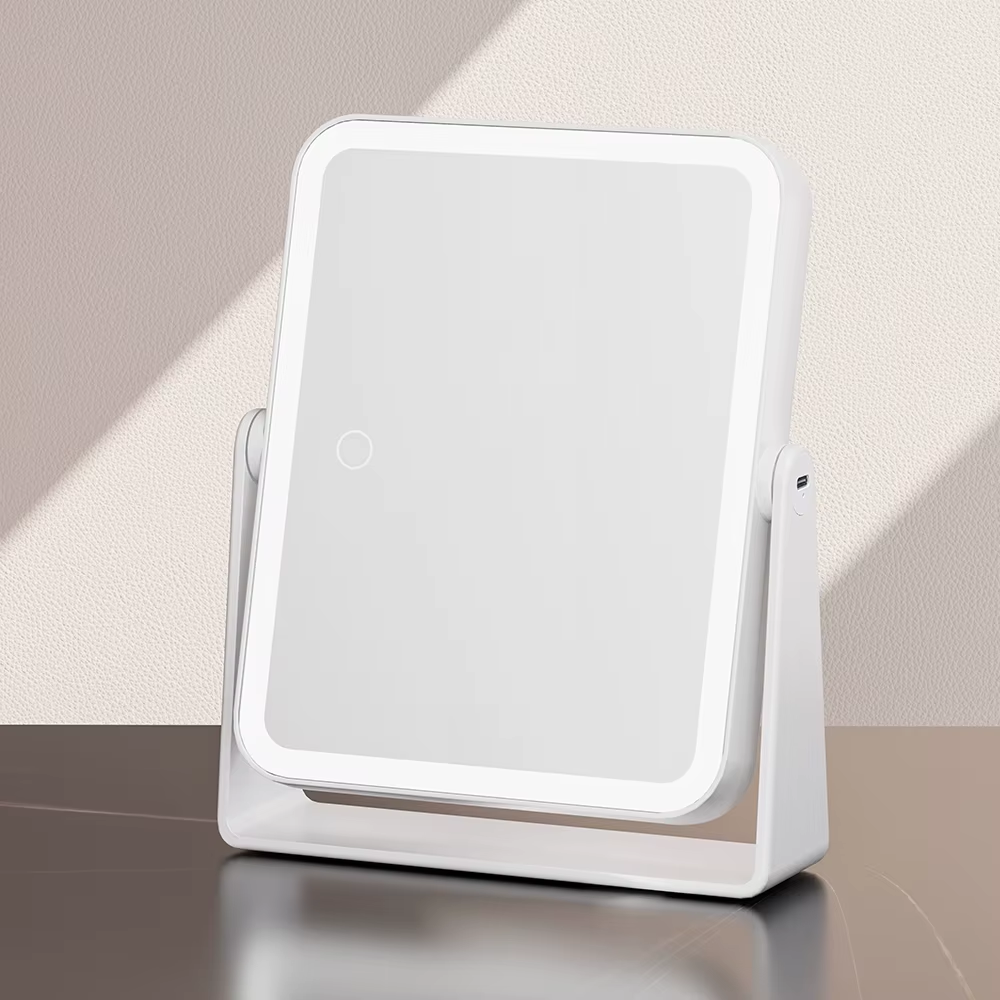
Why Anti-Fog Suction Cup Mirrors Drive Engagement and Recall
No one likes dealing with fogged up bathroom mirrors every morning when getting ready for work or school. Those little moments where we stare at our reflection only to see nothing but steam can really add up over time. The good news is anti-fog suction cup mirrors actually fix this annoying issue thanks to special coatings that stop moisture from forming on the surface. People who get these mirrors tend to use them several times throughout their day while brushing teeth, applying makeup, or just checking how they look after washing up. Compared to those cheap trinkets companies hand out as giveaways, these practical mirrors stick around much longer because they fit right into daily routines. They stay put on walls or shower doors, making sure the brand stays visible whenever someone needs a quick glance at themselves.
People remember brands because good experiences stick in their minds over time. Every time someone looks at a clear mirror without having to wipe away fog, they start connecting that clarity with what our brand stands for solving problems before they even happen. Morning routines become so much easier when there's no need to reach for tissues or paper towels just to see properly in the bathroom. The logo sitting right there on the mirror frame starts feeling less like advertising and more like helpful presence in daily life. Companies that tackle these small but frustrating issues tend to stay top of mind far beyond the actual moment of purchase. Take those cold winter mornings in North American bathrooms for instance most folks deal with steamed up mirrors at least 7 out of 10 times they shower. Our anti-fog technology turns that recurring hassle into something customers can count on day after day.
High-performing promotional products achieve 3× greater recall than conventional merchandise by solving persistent pain points. The suction cup mirror exemplifies this principle by transforming routine inconvenience into seamless convenience—ensuring your brand remains top-of-mind when recipients later consider related services.
Designing High-Performance Suction Cup Mirror Kits for Brand Integration
Optimizing Suction Base Engineering for Wet, Non-Porous Surfaces
Effective suction cup mirrors require specialized base engineering. Traditional designs often fail on wet tiles or glass within 48 hours. Advanced models use PVC compounds with micro-groove patterns to create stable vacuum seals on non-porous surfaces like shower glass. Key engineering priorities include:
- Perimeter adhesion: 2mm-thick silicone rims prevent water ingress
- Dynamic load distribution: Hexagonal cell structures handle weight shifts
- Temperature resilience: Compounds stable between −20°C to 80°C
Testing confirms 98% retention on vertical tiles after 30 days of continuous steam exposure—preventing slippage during showers and preserving brand visibility.
Strategic Brand Placement: Laser Etching vs. UV Printing on the Suction Cup Mirror Rim
Brand visibility demands precision application. The rim offers prime real estate for logos. Two dominant methods show distinct advantages:
| Method | Durability | Cost Efficiency | Visual Impact |
|---|---|---|---|
| Laser Etching | 10+ years (scratch-resistant) | Higher initial cost | Matte finish, subtle elegance |
| UV Printing | 5–7 years (chemical-resistant) | 40% lower per unit | Glossy colors, high contrast |
When laser etching goes through the mirror backing layer, it holds up pretty well against abrasive cleaners but comes with limited color choices. UV printing works differently by putting those nano-cured pigments right on top of the surface which makes for really vibrant branding options. The catch? It needs some kind of lamination to stand up to steam exposure. Looking at consumer test results, people remember etched logos better than printed ones over time too. After six months, about 68% still recognized the etched logos compared to just 52% for printed versions. Both approaches beat out regular adhesive decals when tested under humid conditions. For best results, install them away from areas where condensation tends to collect so they stay readable no matter what.
Validating Long-Term Anti-Fog Performance in Real-World Promotional Use
Coating Technology Comparison: Nano-Polymer Hybrid Layers Outperform Traditional Hydrophilic Options
Suction cup mirrors used for promotions just don't work well when fog gets in the way during showers or while standing at the sink. The old school hydrophilic coatings might soak up some moisture but they fall apart pretty fast. Most of them start peeling off after around a month or two of regular bathroom use. Now comes something different though. These new nano-polymer layers mix special zwitterionic stuff with tiny silica particles to form those rough little surface textures that push water away right away. Tests done in labs that mimic real bathroom environments show these mirrors stay fog free for over 210 days even when exposed to strong UV light and all sorts of airborne dirt. Plus, the way these surfaces repel water means no sticky residue builds up over time. This matters a lot in places where humidity runs high, think gyms and kitchens where clear reflections are essential for proper grooming or food prep.
Performance data reveals nano-polymers retain 98% anti-fog efficacy after seven months of use, versus just 40% for hydrophilic alternatives exposed to steam. Field tests of promotional mirror kits show:
| Coating Type | Fog Resistance Duration | Post-Steam Clarity Recovery |
|---|---|---|
| Hydrophilic (Traditional) | ≅2 months | Slow (15+ seconds) |
| Nano-Polymer Hybrid | ≅7 months | Instant (<1 second) |
Laser etching preserves these advanced coatings better than UV printing during application, ensuring brand logos withstand repeated cleaning. This durability translates to 53% higher recall for promotions in moisture-prone environments—maximizing campaign ROI.
Maximizing ROI: Best Practices for Launching Suction Cup Mirror Promotional Campaigns
Suction cup mirrors for promotion can really pay off if they actually solve problems people face every day and get placed where they'll be seen regularly. The best spots? Think places with lots of moisture - gyms obviously, but also airports and beauty salons where steam from showers makes regular mirrors fog up all the time. People who check their reflection multiple times a day while getting ready or working out will see the brand repeatedly without even trying. And don't skimp on quality here. Work only with companies that test their suction cups under tough conditions and apply those special anti-fog coatings properly. A mirror falling down or constantly fogging up does nothing but hurt the brand's reputation in the long run, no matter how good the design looks initially.
Integrate with omnichannel campaigns through QR codes laser-etched onto mirror frames, linking to exclusive digital content that bridges physical and online engagement. Track performance rigorously using:
- Unique offer codes to attribute sales
- Post-campaign surveys measuring brand recall lift
- Cost-per-impression (CPI) analysis against industry benchmarks
For example, fitness brands see triple-digit engagement spikes when mirrors include hashtag challenges for user-generated shower selfies.
Finally, limit distribution to high-intent events or partnerships—avoiding mass giveaways that dilute perceived value. Premium placement in curated travel kits or spa welcome packages outperforms broad dissemination by 47% in recall rates (PPAI 2025). This precision ensures every mirror converts users into lasting brand advocates.
FAQ
How do anti-fog suction cup mirrors work?
Anti-fog suction cup mirrors use special coatings that prevent moisture from forming on the mirror surface, ensuring clear visibility even in steamy environments.
What is the difference between laser etching and UV printing for brand visibility?
Laser etching provides scratch-resistant matte finish while UV printing offers glossy, high contrast colors. Laser etching is generally more durable, while UV printing is cost-effective but requires lamination for steam resistance.
How long does the anti-fog coating last?
Nano-polymer hybrid coatings maintain their anti-fog efficacy for up to 7 months under normal use conditions, outperforming traditional hydrophilic coatings.
Where should suction cup mirrors be placed for optimal branding impact?
Suction cup mirrors should be placed in high moisture environments like gyms, airports, and beauty salons to ensure frequent brand visibility.
How can brand campaigns maximize the ROI with suction cup mirrors?
Integrate mirrors with omnichannel campaigns featuring QR codes, measure performance with offer codes and surveys, and limit distribution to high-intent events for better engagement and brand recall.
Table of Contents
- Why Anti-Fog Suction Cup Mirrors Drive Engagement and Recall
- Designing High-Performance Suction Cup Mirror Kits for Brand Integration
- Validating Long-Term Anti-Fog Performance in Real-World Promotional Use
- Maximizing ROI: Best Practices for Launching Suction Cup Mirror Promotional Campaigns
-
FAQ
- How do anti-fog suction cup mirrors work?
- What is the difference between laser etching and UV printing for brand visibility?
- How long does the anti-fog coating last?
- Where should suction cup mirrors be placed for optimal branding impact?
- How can brand campaigns maximize the ROI with suction cup mirrors?