
 EN
EN

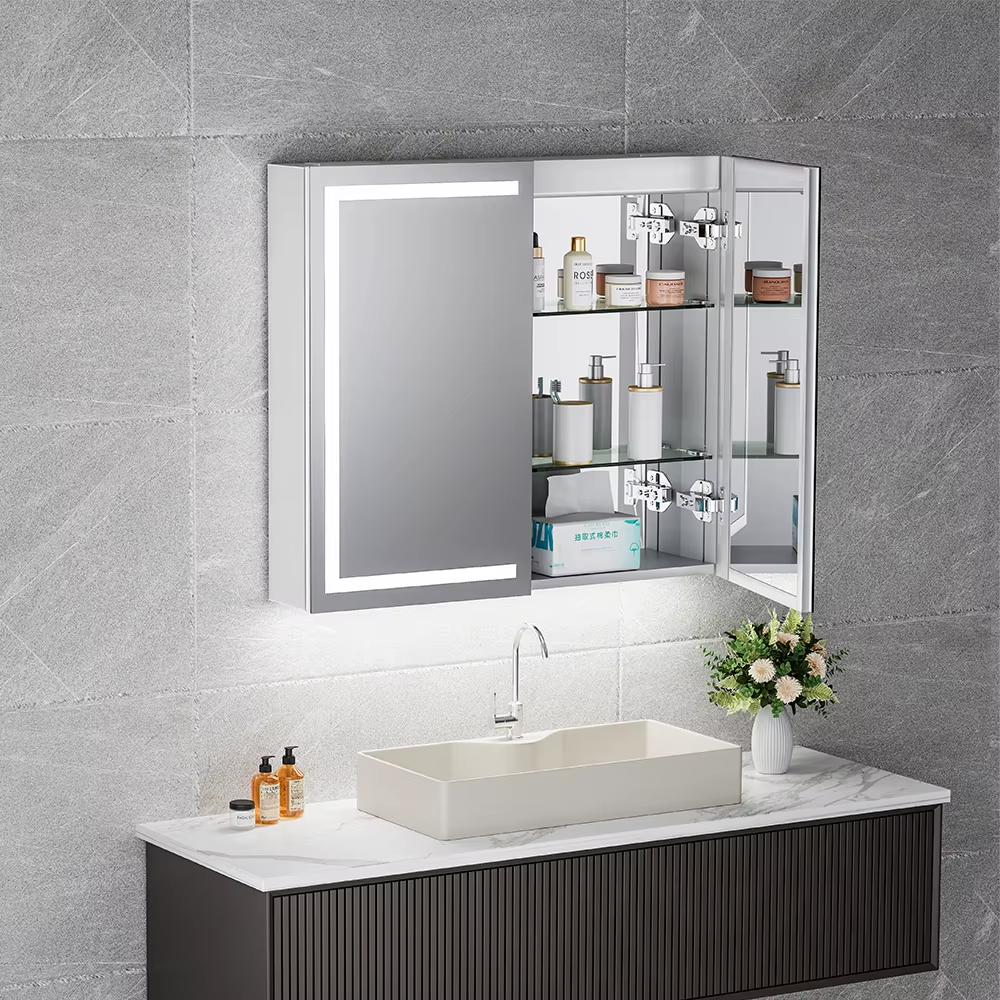
Why Space-Saving Bathroom Mirror and Cabinet Solutions Are Critical for High-Density Developments
Rising Floor-Area Constraints in Multi-Unit Residential and Commercial Renovations
The growing density of urban housing has really squeezed available floor space, especially in bathrooms which have gotten about 18% smaller since 2020 according to recent data. To work around these tight square meter limitations, property developers are turning to vertical storage solutions rather than traditional approaches. Many modern bathrooms now feature integrated mirror cabinets instead of those large vanity units that take up so much room. These clever designs can free up around 0.8 square meters of valuable space in each bathroom. This matters a lot because city regulations often require certain numbers of units per building, old buildings limit what renovations we can do, and for those tiny apartments to actually be rentable at all, every inch counts towards making them commercially viable spaces.
The Strategic Advantage of Integrated Mirror-Cabinet Systems in Reducing Bathroom Footprint
Combining reflection and concealed storage creates transformational spatial efficiencies. Recessed designs eliminate protruding fixtures while maintaining full storage functionality—a 2023 spatial analysis showed 40% better circulation flow compared to freestanding units. Key strategic benefits include:
- Footprint reduction: Wall-mounted units reclaim 100% of floor area beneath
- Dual functionality: Single-unit replacement for separate mirrors and cabinets
-
Scalable deployment: Uniform dimensions enable batch installations across units
Design experts confirm integrated systems achieve 15–20% space optimization versus traditional layouts, directly impacting project profitability in multi-unit renovations where every centimeter counts.
Wall-Mounted and Recessed Bathroom Mirror and Cabinet Configurations for Maximum Floor-Space Efficiency
Design Evolution: From Freestanding Units to Fully Integrated Wall-Mounted Systems
Modern bathroom storage has come a long way from those bulky freestanding cabinets that took up so much room. Now we see wall mounted mirror cabinets that basically disappear against the wall, taking away all that wasted floor space. When installed properly, these units make good use of the empty walls above sinks and toilets where people often just leave stuff lying around. Most quality models are built to anchor securely into wall studs or even brick if needed, which means they can hold shampoo bottles, toothbrushes, and other daily items without wobbling or falling off. Another nice thing about these integrated storage solutions is how they reflect light across the room. This creates the illusion of a bigger space, something many homeowners notice immediately after installation. Some folks might not realize it, but this effect actually makes bathrooms feel less cramped during morning rush hours when everyone needs access to their own stuff.
Optimizing Recessed Depth (120–180 mm) for Structural Integrity and Storage Capacity
Wall recesses can really boost storage space inside walls, though getting the right depth matters a lot for both how much fits and keeping things safe. Most folks stick with the 120 to 180 mm range since it works well for regular bathroom stuff without running into wires or pipes. Going below 120 mm just doesn't leave room for much at all, while anything over 180 mm might start messing with the wall structure itself. Smart installers often go for what we call tiered zones these days. They create deeper spots in the middle where bigger items go, surrounded by shallower areas around the edges. This setup lets people store their larger items right behind where they need them most while keeping the mirror looking sleek from the outside. As long as everything gets fastened properly to the wall studs, this sweet spot for depth keeps the drywall strong enough to hold up and prevents mirrors from warping or cracking due to too much curve or pressure when mounted.
High-Density Storage Meets Reflective Functionality in Modern Bathroom Mirror and Cabinet Design
Balancing Concealed Storage Demand with Uninterrupted Mirror Surface Real Estate
Modern bathroom design often incorporates storage solutions hidden behind tall mirrors that still let light bounce around the space. These mirrors do double duty by keeping counters clear of stuff while making the whole room look bigger than it actually is. Some studies suggest when mirrors connect smoothly to cabinets, they cut down on visual chaos by about 70 something percent, which definitely makes small bathrooms feel less cramped. The hardware is usually mounted flat against surfaces and there are no visible frames around the edges so the mirror stands out as the main feature. Sliding doors or simple hinges give access to plenty of storage space without breaking the clean lines of the design.
Smart Internal Geometry: Adjustable Shelves, Hidden Compartments, and Tiered Depth Zoning
| Feature | Space Optimization | Functional Benefit |
|---|---|---|
| Adjustable shelves | ±15% volumetric efficiency | Accommodates varying product heights |
| Magnetic compartments | 30% faster item retrieval | Secures small metallic essentials |
| Tiered depth zoning (40–120 mm) | 22% more capacity than uniform units | Prioritizes bulk storage without protruding |
The way these storage units are designed with vertical layers makes all the difference. Shallow areas at the front hold things people reach for every day, while the back parts go deeper to accommodate bigger stuff. This kind of organization stops those annoying dead spaces inside where nothing fits properly, yet keeps the whole unit looking slim from the outside. Components that can be moved around, such as dividers that come out and trays that slide in and out, let users customize their space as their needs change over time. No more empty air pockets wasted away in fixed designs that never quite fit right. Plus, there are little touches like textured indicators and subtle finger grips built into the surfaces. These features make it easier for everyone to access what they need without ruining the clean, reflective look of the overall design.
Scalability and Procurement Considerations for Large-Scale Bathroom Mirror and Cabinet Deployment
When dealing with mirror cabinet installations in hundreds of properties, good procurement planning becomes absolutely essential. Getting bulk orders right means finding suppliers who can maintain quality standards while meeting tight deadlines, especially when it comes to those custom recessed models that need exact depth measurements. The whole project timeline gets thrown off when materials aren't available on time. We've seen situations where glass supply chain issues or shipping problems completely held up renovations for months. Standardizing configurations helps cut costs significantly. Too much customization just creates headaches during installation and raises the chances of mistakes happening. Procurement managers would do well to push for volume discounts but also check what sustainability measures their suppliers actually have in place, since environmental regulations are getting stricter all the time. Doing mock-ups before actual installation saves money in the long run by catching structural problems upfront. This is really important stuff when working with older buildings or spaces where service walls are already cramped.
FAQ Section
Why are space-saving mirror and cabinet solutions important in high-density developments?
Space-saving solutions are crucial in high-density areas due to shrinking bathroom sizes, making efficient use of available space to comply with regulations and improve rentability.
What are the benefits of integrated mirror-cabinet systems?
Integrated mirror-cabinet systems reduce footprint, offer dual functionality, and provide scalable deployment, improving circulation and increasing profitability.
How do wall-mounted systems differ from freestanding units?
Wall-mounted systems save floor space, utilize empty wall areas, and create the illusion of larger spaces by reflecting light.
What is the optimal depth for recessed storage?
The optimal depth for recessed storage is between 120–180 mm to ensure structural integrity and maximize storage capacity.
How can procurement be optimized for large-scale installations?
Procurement can be optimized through standardizing configurations, managing bulk orders, adhering to sustainability practices, and conducting mock-ups to preempt issues.
Table of Contents
- Why Space-Saving Bathroom Mirror and Cabinet Solutions Are Critical for High-Density Developments
- Wall-Mounted and Recessed Bathroom Mirror and Cabinet Configurations for Maximum Floor-Space Efficiency
- High-Density Storage Meets Reflective Functionality in Modern Bathroom Mirror and Cabinet Design
- Scalability and Procurement Considerations for Large-Scale Bathroom Mirror and Cabinet Deployment
-
FAQ Section
- Why are space-saving mirror and cabinet solutions important in high-density developments?
- What are the benefits of integrated mirror-cabinet systems?
- How do wall-mounted systems differ from freestanding units?
- What is the optimal depth for recessed storage?
- How can procurement be optimized for large-scale installations?