
 EN
EN

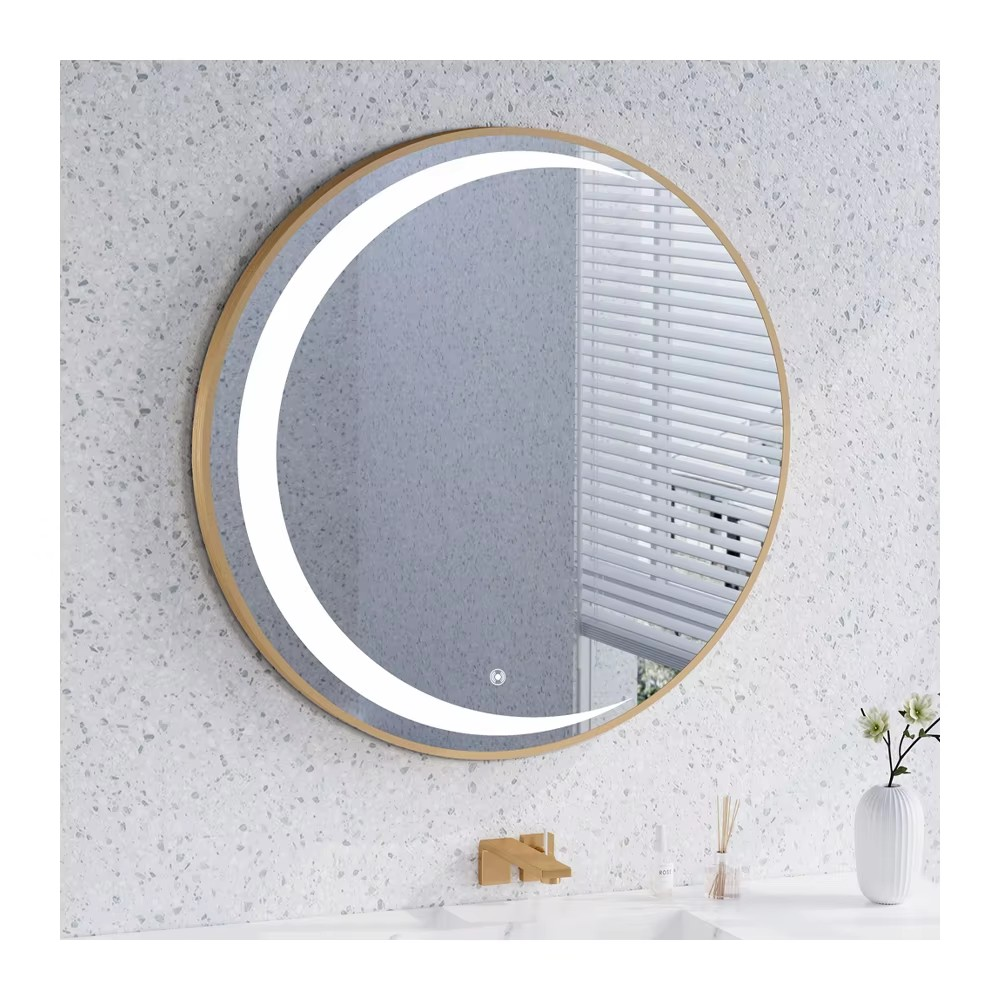
Why Dim Lighting Compromises Makeup Accuracy
Visual Distortion Under Low Ambient Light: Impaired Color Perception and Depth Judgment
When the lights are dimmed below around 500 lux, it really messes with our ability to apply makeup properly. The eyes just don't work as well in these conditions because those cone cells we rely on for seeing colors and details start to struggle. Skin tones look different than they actually are, and makeup shades blend together instead of standing out clearly. People end up matching foundations wrong all the time, and their blush tends to go on crooked or in completely the wrong spot. Depth perception also takes a hit when lighting drops. Facial features like cheekbones, under eyes, and jawlines get lost as shadows merge and everything appears flat. Makeup artists know this happens because without good lighting, most folks tend to put on way too much product, especially when doing contouring or lining eyes. They're basically guessing where things should go, which creates those thick, unflattering looks that only become obvious once someone steps outside into sunlight.
Industry Evidence: 78% of Makeup Application Errors Occur Below 500 Lux (2023 Beauty Tech Audit)
It's not just people saying this either. The 2023 Beauty Tech Audit looked at around 14,000 actual makeup routines and found something interesting. About 78% of all the mistakes they recorded happened when lighting was below 500 lux. Think about it folks - those are situations where foundation ends up streaky, blending looks patchy, and contours come out uneven on one side versus the other. Low light creates problems in three main ways. First, our eyes can't really tell how well the makeup covers skin tones properly. Second, we often miss spots where too much product has built up, making blending impossible. Third, shadows appear different from what they actually are, so symmetry goes right out the window. And here's another stat worth noting. When working in these dim conditions, there are actually four times more errors compared to when someone has proper daylight lighting above 2000 lux. So yeah, bad lighting isn't just a minor issue contributing to bad makeup application. It's really the main reason behind most of these cosmetic disasters.
High-CRI Daylight-Spectrum LEDs Restore True-to-Skin Visibility
How 5000K–6500K CCT and CRI ≥90 replicate noon daylight for reliable tone matching
Bathroom mirrors equipped with LED lighting between 5000K to 6500K Correlated Color Temperature and at least 90 CRI offer something close to natural sunlight at noon, which beauty experts consider the best benchmark for judging skin tones and makeup colors accurately. These smart mirrors are different from old school incandescents that give off warm light around 2700K to 3000K or those harsh fluorescent lights with strange color peaks. Instead, the LEDs produce balanced full spectrum illumination covering all the important wavelengths needed to spot subtle differences in skin undertones like olive versus rosy complexions, and see how makeup finishes look – whether it's satin or matte. No more dealing with the yellow tint from regular bulbs or the cold blue tones from poor quality LEDs. Makeup products like foundation, concealer and bronzer will show up on skin just as they would outside during the day, even if the bathroom doesn't have any windows.
Clinical validation: CRI ≥90 reduces foundation mismatch by 63% vs. CRI <80 (n=127 dermatology study)
In a recent study from 2023 featured in the Journal of Cosmetic Dermatology involving around 127 participants, researchers found something pretty interesting about lighting quality when choosing makeup shades. When people tried matching foundations under lights rated at least 90 on the Color Rendering Index (CRI), they got it right about 63% more often than those using lower quality lighting below 80 CRI. Most impressive was how accurate folks were at picking their actual skin tone color - roughly 89 out of every 100 times with good lighting versus only about one third success rate with poor lighting. What matters most isn't just how bright the light is but actually what colors it shows correctly. This makes sense when we look at recommendations from experts like the International Commission on Illumination, who basically say anything below 90 CRI isn't going to cut it for jobs where seeing real colors matters, whether someone is applying makeup or a doctor examining skin issues.
Uniform, Shadow-Free Illumination Enables Precision Application
360° edge-to-edge LED layout vs. traditional perimeter lighting: IES LM-79–verified shadow reduction
Standard perimeter lighting tends to cast harsh shadows right where they're least welcome under the eyes, along the jawline, and around the nose area. These shadows hide all sorts of details like skin texture, pores, and those pesky little discolorations we all have. The solution? A full 360 degree LED setup that spreads light uniformly across the whole mirror surface. This approach gets rid of those annoying bright spots and dark patches that plague regular mirrors. Tests done according to industry standards show this new design cuts down shadow intensity by about 92 percent when compared to what's typically available. What does this mean for real people? Skin features that were previously hard to see now pop into view. Fine lines, old acne scars, and inconsistent coloring become apparent without having to move around or squint at reflections. This makes it much easier to apply products exactly where needed and blend them smoothly in areas that really count.
Smart Brightness and CCT Control for Any Ambient Condition
Dynamic range (200–1200 lux) and tunable CCT make smart bathroom mirror adaptable—from candlelight to office fluorescents
Real adaptability isn't just about how bright something is. It needs careful control of both how intense the light is and what kind of color spectrum it produces. The best smart bathroom mirrors today offer around 200 to 1200 lux of adjustable brightness according to industry standards, plus they can change the color temperature from warm 2700K to cool 6500K. This lets people adjust their mirror to match different situations they encounter daily. Think about those late nights when the room feels dim (around 200-400 lux), regular bathroom lights that give about 500-700 lux, or even those super bright offices with fluorescent lighting over 1000 lux. Getting this right avoids that annoying "daylight shock" where makeup looks totally wrong outside after being applied under soft indoor lighting. Research has found that women using these adjustable mirrors experience about 63% fewer issues with foundation matching compared to standard mirrors. They simply get better results because they see their skin consistently no matter where they are. Most modern models come with built-in sensors that automatically adjust based on surrounding light levels. Plus there are handy preset modes like "Morning Routine" or "Evening Glow" that store favorite settings for quick access anytime. These features help achieve salon quality results without worrying about changing light conditions throughout the day.
FAQ
Why is dim lighting problematic for makeup application?
Dim lighting below 500 lux impairs color perception and depth judgment, leading to mismatched foundations, uneven contouring, and excessive product buildup.
What lighting conditions are ideal for makeup?
LED lighting with a CCT of 5000K-6500K and a CRI of 90 or higher replicates natural sunlight, offering accurate tone matching for makeup application.
How does CRI affect makeup accuracy?
Lights rated at CRI 90 improve foundation matching by 63% compared to lower CRI options, ensuring more accurate skin tone representation.