 EN
EN

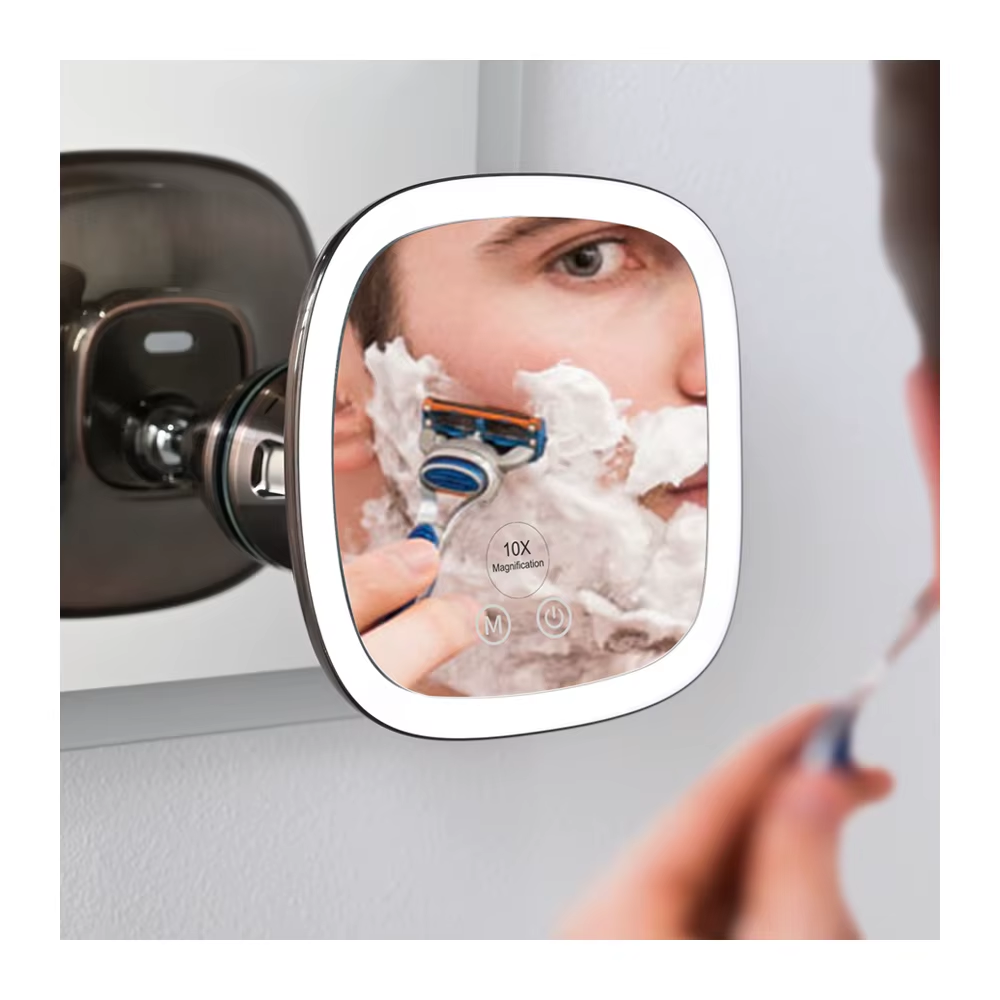
The Science Behind Reliable Suction Cup Adhesion in Humid Environments
How vacuum seal physics enables secure mounting on wet, non-porous surfaces
The way suction cups stick has everything to do with how vacuums work. When someone pushes one against something smooth and not porous, like bathroom tiles or glass, it pushes out air and also gets rid of extra moisture underneath the edge. What happens next is pretty cool - there's now lower pressure inside the cup compared to outside. Regular air pressure, which can be around 14.7 pounds per square inch at sea level, basically forces the cup onto whatever surface it touches. That's why those surfaces need to be non-porous in the first place. If air could leak back in, the whole vacuum effect wouldn't last long. Some newer models actually have tiny grooves built right into them that help push water away from where the seal forms, so they still work even if things get a bit wet. Getting good results really depends on doing it right though. Clean the spot first, then press down starting from the middle and working outwards. This makes sure all the air and moisture escape properly, giving maximum grip. And this simple science trick explains why those suction cup mirrors stay put even after showers and splashes, without needing any screws or brackets at all.
Material innovations: silicone rims, pressure-activated seals, and humidity-resistant bases
Today's suction cup mirrors depend on specially designed materials to work properly in damp areas. Premium models typically feature silicone rims because they bend easily, last longer, and naturally repel water. These flexible edges create better contact with tiny bumps and grooves on surfaces that stiff plastic just can't reach. Most modern designs include pressure activated seals with two parts working together. When first pressed against a surface, these form a basic seal, then when pressure is maintained, extra ridges lock into place to keep water out completely. Many manufacturers have started using thermoplastic elastomers (TPE) for mirror bases instead of regular PVC. Traditional PVC tends to break down over time as heat and moisture pull out chemicals, making it brittle and prone to cracks. But TPE stays soft and strong even after years of exposure to steam and humidity in bathroom environments. This means the mirror will stick reliably even when the air feels almost entirely saturated with moisture.
Anti-Fog Performance: A Critical Functionality Requirement for Suction Cup Mirrors
Steam-filled bathrooms create instantaneous fogging, rendering conventional mirrors useless precisely when clarity matters most. For shower mirrors, fog resistance isn’t optional—it’s foundational to functionality, safety, and usability.
Active vs. passive anti-fog technologies—effectiveness under sustained steam exposure
- Active systems integrate low-wattage heating elements (typically 30–50W) that maintain the mirror surface above the dew point, preventing condensation by eliminating the temperature differential that causes fog. These sustain clarity indefinitely under continuous steam.
- Passive solutions rely on hydrophilic coatings that disperse condensed moisture into a uniform, transparent film rather than obstructive droplets. While effective initially, these chemical treatments degrade faster in high-humidity conditions—losing approximately 40% of their anti-fog efficacy after 20 minutes of heavy steam exposure.
Why fog-free clarity directly impacts safety, grooming efficiency, and post-shower usability
- Safety: Fog-free visibility significantly reduces risks like razor slips and shampoo-in-eye incidents during showers. Ergonomic studies indicate this can lower related injury risk by up to 60%.
- Time efficiency: Immediate clarity eliminates waiting for fog to dissipate—saving users 3–5 minutes daily.
-
Usability extension: Sustained transparency supports post-shower grooming without wiping, a critical advantage for travelers needing fast, reliable routines.
Together, these benefits elevate suction cup mirrors from convenient accessories to essential hygiene tools in high-moisture environments.
Suction Cup Mirror Installation: Speed, Flexibility, and Zero-Damage Advantage
One-step mounting in <10 seconds vs. drilling, adhesives, or hardware—real-world travel and rental scenarios
Getting this installed is super simple just press the base down hard on any clean, smooth surface that isn't porous for about 10 seconds max. No need for tools, drilling, or sticky stuff that stays forever we're talking about secure mounting that can be taken off anytime. Traditional methods? They cause all sorts of problems. Drilling leaves those annoying holes in tiles or walls that cost around $150 to $200 to fix later on in rentals and take ages to patch up. Sticky adhesives get old fast and don't hold well when there's moisture around. Metal parts tend to corrode in damp areas too and require everything to line up perfectly. Travelers love being able to customize hotel bathrooms instantly without packing extra gear. Renters benefit from leaving behind absolutely no marks after taking things down which keeps their deposit safe. Works great in college dorms, vacation homes, military barracks, and anywhere else where regular mounting just doesn't cut it or isn't allowed at all.
Durability and Practicality: How Suction Cup Mirrors Meet Daily Demands in High-Humidity Settings
Suction cup mirrors work really well when regular mirror mounts just don't hold up, especially in those damp bathroom environments where moisture builds up after showers. Newer designs feature things like silicone seals and pressure based sticking mechanisms that form solid connections resistant to weakening caused by all that humidity. These mirrors can handle going through hot and cold temperature changes day after day without losing grip on the wall surface. The numbers back this up too - studies indicate around two thirds of standard bathroom mirror problems actually come down to long term exposure to moist air. What makes these suction models so useful goes beyond just staying put.
- Zero-permanent-modification installation, making them ideal for rentals and travel
- Instant relocation, allowing repositioning in seconds as lighting or spatial needs change
- Streamlined maintenance, requiring only a quick wipe to restore clarity—without compromising seal integrity or surface finish
The convergence of robust materials, intelligent engineering, and real-world usability ensures long-term performance in demanding settings. That durability translates directly into cost savings, reduced hassle, and dependable functionality—key priorities for both residential users and commercial property managers seeking resilient, user-centered bathroom solutions.
FAQ Section
How does a suction cup adhere to surfaces?
A suction cup adheres to surfaces by creating a vacuum seal. When pressed against a smooth, non-porous surface, it expels air and moisture, lowering the pressure inside the cup compared to the outside, which allows atmospheric pressure to hold the cup in place.
What materials are used in modern suction cup mirrors?
Modern suction cup mirrors often use silicone for rims and thermoplastic elastomers (TPE) for bases due to their flexibility, water-resistant properties, and durability in humid conditions.
What is the difference between active and passive anti-fog technologies?
Active anti-fog technologies use low-wattage heating elements to keep the mirror surface warm and clear of condensation, while passive technologies use hydrophilic coatings to spread moisture into a transparent film. Active systems usually maintain clarity better under continuous moisture exposure.
Table of Contents
- The Science Behind Reliable Suction Cup Adhesion in Humid Environments
- Anti-Fog Performance: A Critical Functionality Requirement for Suction Cup Mirrors
- Suction Cup Mirror Installation: Speed, Flexibility, and Zero-Damage Advantage
- Durability and Practicality: How Suction Cup Mirrors Meet Daily Demands in High-Humidity Settings
- FAQ Section