
 EN
EN

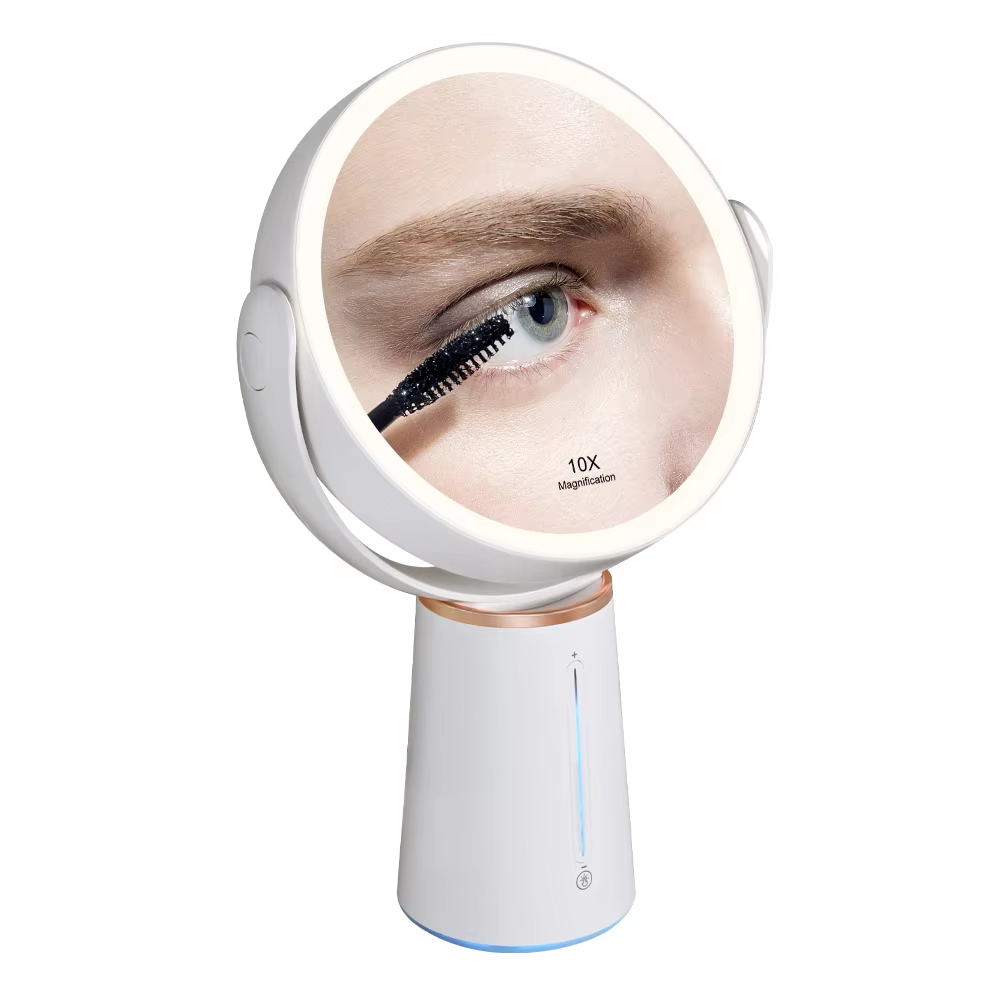
The Science Behind Natural Light Simulation in Vanity Mirrors with Lights
Why 5000K Color Temperature + CRI â¥90 Is the Non-Negotiable Standard for True Daylight Accuracy
When it comes to simulating natural daylight, there are really two numbers that matter most: around 5000K color temperature and at least a 90 Color Rendering Index (CRI). Together they create something close to what we see at midday outdoors - no shadows, no weird color casts, just light that works with our biology. This makes all the difference when doing things like applying makeup where accuracy counts. At 5000K, the light doesn't have that warm yellow tint from regular bulbs nor does it go all cold and blue like some LED lights do, which actually helps cut down on eye fatigue during long sessions. Getting a CRI score of 90 or better means colors look right across the whole spectrum, so those subtle skin tones stay true and foundations don't end up looking off. Studies in the beauty industry show that if lighting falls short of these standards, people tend to pick the wrong shade about 30% more often according to data from last year. That's why most high end mirrors with built in lighting stick to this 5000K/90+ CRI combo as their standard.
How Spectral Distribution Differences Between 'Daylight' Labels and Real Natural Light Impact Makeup Precision
Many lights labeled as "daylight" don't actually come close to real sunlight most just use marketing terms instead of matching the actual light spectrum. Natural daylight has this smooth spread of colors across all visible wavelengths. But cheap vanity bulbs tend to have these weird bumps and missing spots in their light especially around the blue part (around 450 to 495 nanometers) and red area (about 620 to 750 nm), which messes with how makeup looks on skin. The results matter in real life situations too. Blush that looks subtle inside might suddenly seem too strong outside when someone steps into real sunlight. Contour lines that blend perfectly under store lighting can turn muddy or look way too dramatic once someone goes outside. Studies from beauty professionals show these kinds of mismatches lead to about 25% more touch ups needed during work sessions according to recent data. To get true daylight effects, makeup artists need lights that maintain this continuous color range rather than just having a high Kelvin rating if they want their creations to look good both in front of mirrors and out there in the real world.
Dimming Control: Why Adjustable Brightness Is Essential in a Vanity Mirror with Lights
From Morning Prep to Evening Touch-Ups: How 10%â100% Dimming Supports Circadian Lighting Needs
The body's internal clock reacts strongly to how bright things are and when we see that light, so mirrors that stay at the same brightness just don't cut it for our natural rhythms. When getting ready in the morning, people need really bright lighting around 80% or more on most scales. This kind of strong light helps keep us awake and lets us see small details better, important stuff like applying eyeliner properly or shaving without mistakes. Later in the day, turning down the mirror brightness between about 10% to maybe 30% cuts back on those harsh blue lights we all know about now. This matches what happens naturally in our bodies as melatonin starts kicking in, making it easier to wind down and eventually fall asleep. Mirrors that can't adjust their output mess with these patterns though, leading to tired eyes and trouble telling colors correctly when there isn't much light around.
A true 10%â100% dimming range delivers three core benefits:
- Precision optimization: Full brightness eliminates shadows and reveals texture imperfections critical for flawless grooming
- Circadian alignment: Gradual evening dimming mimics natural sunset cues, supporting healthy sleep-wake cycles
- Energy efficiency: Operating at reduced brightness cuts power use by 40â60% (Lighting Research Center, 2023)
Real-world testing shows dimmable mirrors reduce corrective makeup applications by 37% compared to non-dimmable alternativesâproving that adaptive brightness isnât just convenient, itâs functionally essential.
Dual-Adjustment Synergy: Combining Color Temperature and Dimming in Premium Vanity Mirrors with Lights
Good performance really requires controlling both color temperature and brightness together instead of just focusing on one aspect alone. High quality vanity mirrors come with lights that let people adjust these settings independently within wide ranges. Most models go from around 2700K to 6500K for different hues, while brightness can be adjusted anywhere between 10% and full power. When these features work together properly, they allow anyone to match almost any kind of lighting situation they might encounter. Think about using cool, bright 5000K light when applying makeup in the morning, switching to warm 2700K at low brightness levels around 20% for gentle skincare routines at night, or settling somewhere in the middle with 4000K at about half intensity for those quick fixes during the day. The ability to fine tune these settings makes all the difference for getting accurate results no matter what time of day it is.
When there's no dual adjustment feature, even the most technically precise daylight simulation ends up being too inflexible for real world situations. Take a standard 5000K mirror for instance. It works great in bright bathrooms where natural light is abundant, but completely falls apart in low lit restaurants or during those warm golden hour events outside. The result? Makeup looks that don't match properly or contours that get lost in blending. Dual control solves this problem by allowing people to see how their makeup actually holds up in different lighting conditions. Plus, the comfort factor improves significantly too. When the light gradually dims from full brightness down to just 30%, it cuts down on eye strain during long sessions where fine details matter most, like checking lash extensions or mapping eyebrows. This kind of adjustment helps maintain clear visibility while reducing the headache inducing glare that comes from staring at harsh lights for hours on end.
Professional Validation: How Natural Light Simulation and Dimming Reduce Errors in Real-World Use
Salon and Dermatology Studies: 42% Fewer Color-Matching Mistakes with Certified Vanity Mirrors with Lights
Lighting issues continue to plague both clinical environments and beauty salons where getting colors right matters for good results. Regular overhead lights mess with how we see skin tones, which leads to wrong foundation choices, incorrect pigment corrections, and flawed evaluations after treatments. Vanity mirrors that come with proper lighting certified at around 5000K and above 90 CRI ratings fix this problem because they give off light similar to what we see during the day. Research published recently found that using these specialized mirrors cuts down on color matching mistakes by about 40 percent compared to regular lighting in beauty spots and doctor offices dealing with skin conditions. The best part? These mirrors work well throughout the day too when combined with adjustable brightness from 10% all the way up to full power. That means accurate assessments happen whether clients walk in early morning or need checkups later in the evening without any compromise on quality.
We can actually measure the impact: there are simply fewer products getting returned, less demand for those follow-up correction appointments, and clients tend to trust their practitioners more over time. Many clinics have noticed something interesting too – patients stick with their treatments longer and come back for more sessions. This isn't happening because some shiny new product hit the market or because protocols changed overnight. Instead, it seems practitioners are now seeing exactly what their clients see day in and day out. And when they do, something shifts. Those fancy mirrors with built-in lighting? They stop being just another pretty thing in the room and start working as real tools for diagnosis and helping people look better.
FAQ Section
What is the importance of 5000K color temperature in vanity mirrors?
The 5000K color temperature closely mimics mid-day natural daylight, ensuring that the light doesn't have a warm yellow tint or an overly cold blue tone. This makes the lighting ideal for makeup application, reducing eye fatigue and improving color accuracy.
How does CRI affect the performance of vanity mirrors?
The Color Rendering Index (CRI) measures how accurately a light source reveals the true colors of objects. A CRI of 90 or above ensures colors look true across the spectrum, which is essential for tasks like makeup application to ensure skin tones appear natural.
Why is dimming control necessary in vanity mirrors?
Dimming control allows users to adjust the brightness according to the time of day and their needs. This capability helps to align with natural circadian rhythms, reduce energy consumption, and prevent eye strain during prolonged use.
What are dual-adjustment features in premium vanity mirrors?
Dual-adjustment features allow users to independently adjust both color temperature and brightness. This adaptability makes it possible to recreate a variety of lighting conditions, from bright daylight to a warm evening glow, ensuring accuracy in makeup looks under different lighting conditions.
Table of Contents
- The Science Behind Natural Light Simulation in Vanity Mirrors with Lights
- Dimming Control: Why Adjustable Brightness Is Essential in a Vanity Mirror with Lights
- Dual-Adjustment Synergy: Combining Color Temperature and Dimming in Premium Vanity Mirrors with Lights
- Professional Validation: How Natural Light Simulation and Dimming Reduce Errors in Real-World Use
- FAQ Section