
 EN
EN

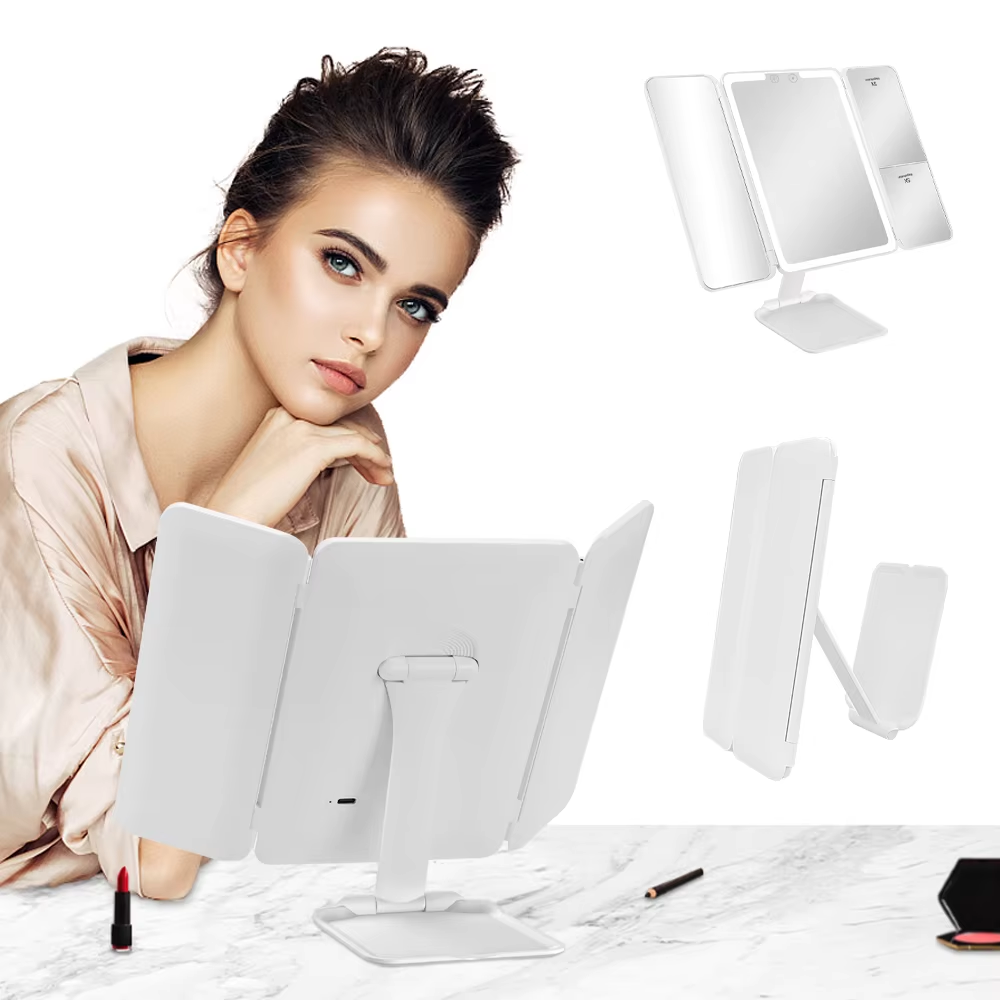
Assess Wall Structure and Locate Reliable Anchoring Points
Identifying Drywall, Tile, and Stud Locations with a Stud Finder and Tap Test
Start looking for those wall studs by running an electronic stud finder along the surface. These devices pick up on changes in density that signal where wood or metal studs are hiding inside the wall cavity. The newer models come with features that actually show or make noise when they find the center and edges of studs, which makes all the difference when trying to get things mounted just right. When working with tiled surfaces, grab some carbide tipped drill bits instead of regular ones because standard bits tend to crack tiles easily. Don't forget the old fashioned tap test either. Tap lightly across different spots on the wall. If it sounds hollow, there's probably space between studs there. Solid sounding taps mean we've hit actual framing material. Using both methods together really cuts down on accidental damage from drilling into pipes or wires buried behind drywall. Before hammering anything in place, it's smart practice to put small marks on the wall using painters tape so everyone knows exactly where everything goes.
Why Mounting Into Studs Is Essential for Heavy or Lighted Magnifying Mirrors
When hanging mirrors heavier than 5 pounds, going straight into wall studs is really important, especially if they have lights built in since those extra bulbs add both weight and vibrations during operation. Standard drywall can barely hold 5 to 10 pounds on each anchor point, so trying to rely solely on that material isn't safe over time. The trick is attaching the mounting brackets directly into the wooden frame behind the drywall. This spreads out the weight properly across the actual structure of the house, which stops things from pulling loose. According to building codes, installing mirrors into studs cuts down the chance of them falling by around 80% when compared to just using anchors in drywall. Around bathroom sinks specifically, this matters even more because all that constant moisture gradually eats away at both the drywall itself and whatever holds the mirror in place. Nobody wants their expensive mirror crashing down while brushing teeth!
Choose Humidity-Resistant, Weight-Specific Mounting Hardware
Comparing Mirror Clips, Brackets, and Adhesives for Bathroom Use
When picking hardware for bathrooms, it's all about finding the right mix between resisting dampness and handling weight properly. Mirror clips let people adjust where things go but need to be made of stainless steel if they're going to last without rusting. Brackets actually work better for supporting heavier mirrors or those with lights because they spread the weight more evenly across the surface. The catch is getting them installed just right since everything has to line up perfectly. Regular glue stuff doesn't cut it in humid spaces either. Most folks find that within a few months, the stickiness wears off completely. Those industrial strength tapes that claim to hold up to five pounds or more can work okay for small items mounted directly onto walls, nothing too heavy though. If something needs to stay put forever, going with stainless steel makes sense over plastic options. According to a recent study from the National Association of Home Builders back in 2023, stainless steel hardware stands up much better against constant moisture, cutting down on failures by around three quarters compared to cheaper alternatives.
Selecting Anchors by Magnifying Mirror Weight: 5–15 lb Guidelines
Match anchors to your mirror’s verified weight using these guidelines:
| Weight Range | Recommended Anchor Type | Key Features |
|---|---|---|
| 5–10 lb | Plastic expansion anchors | Humidity-resistant sleeves with stainless steel screws |
| 10–15 lb | Toggle bolts or molly bolts | Corrosion-resistant metal wings that spread load behind drywall |
Never rely on drywall screws alone—they lack the holding power required for magnifying mirrors over 5 lb. For glass mirrors exceeding 10 lb, reinforce anchors with stainless steel brackets to prevent stress fractures. Always verify manufacturer weight ratings; under-specifying anchors increases detachment risk by 60% in humid conditions.
Measure, Mark, and Level for Ergonomic Eye-Level Placement
Optimal Mounting Height: 57–60 Inches to Center (ADA + Ergonomic Standards)
Set up the magnifying mirror so the middle part sits somewhere between 57 and 60 inches from the ground. That height works well for most grownups when they're either sitting down or standing up straight, plus it complies with those ADA standards for accessibility. Getting the mirror at this height helps prevent sore necks when doing things like shaving, applying makeup, or working on skin care because people don't have to crane their necks up or down for long periods. Neck pain from looking up or down too much can really add up over time. Before putting any holes in the wall, grab a digital level or one of those old fashioned bubble levels to make sure everything is straight across. Small mistakes here will mess with how things look in the reflection. If dealing with tricky surfaces like tiles or walls that aren't perfectly flat, consider using a laser level to mark out where everything should go. Installing the mirror in this sweet spot makes everyday use much better, especially since different people come in all shapes and sizes with varying abilities to reach high places.
Execute the Installation Using Moisture-Safe Tools and Techniques
Get all the rust-proof stuff together first stainless steel screws definitely and those plastic wall anchors meant for damp areas. Put on some gloves and eye protection while working. Take the mirror template and mark where those pilot holes should go, double check everything lines up straight with a laser level makes life so much easier. On tile walls? Grab a carbide tipped masonry bit and take it slow drilling there otherwise tiles crack easily. Clean up all the dust after drilling with a good vacuum. Don't go crazy tightening those anchors with regular screwdrivers either too much pressure might actually break the tempered glass or mess up any waterproof seals we've got going on. And if the mounting hardware goes through vapor barriers somewhere, slap some silicone caulk around those spots where screws go in. Let it sit for at least 24 hours before finally hanging the mirror on the wall.
Avoid Common Magnifying Mirror Mounting Mistakes That Risk Safety or Failure
Top 5 Installation Errors — From Skipping Sealed Screws to Over-Tightening Glass Clips
Overlooking critical steps during installation can lead to costly damage or hazardous failures. These five errors consistently compromise bathroom mirror safety:
- Skipping corrosion-resistant hardware: Standard screws rust quickly in steamy environments, leading to loosening and eventual detachment.
- Over-tightening mounting clips: Excessive pressure on tempered glass creates micro-fractures, increasing breakage risk by 30% (International Building Code Advisory Bulletin, 2022).
- Ignoring stud anchoring for heavy units: Relying solely on drywall anchors for illuminated or oversized mirrors causes 75% of bathroom mirror collapse incidents.
- Choosing generic adhesives: Non-specialized bonding agents degrade rapidly in high-humidity settings, failing even under lightweight loads.
- Rushing electrical integration: Untested wiring in lighted mirrors heightens short-circuit hazards—particularly near sinks or tubs.
Prevention hinges on methodical execution: verify load-bearing points, use moisture-rated hardware, calibrate clip tension to manufacturer specifications, and prioritize direct stud mounting for all illuminated or oversized mirrors. This disciplined approach eliminates preventable accidents while extending product longevity.
FAQ
Why is it important to mount mirrors into studs?
Mounting mirrors into studs is crucial, especially for mirrors that are heavier or have integrated lighting. Studs provide a reliable support structure, distributing the weight and reducing the risk of detachment and accidents, especially in moisture-prone areas like bathrooms.
What are the recommended types of anchors for mounting mirrors?
For mirrors weighing between 5–10 pounds, plastic expansion anchors with humidity-resistant sleeves and stainless steel screws are recommended. For heavier mirrors (10–15 pounds), toggle bolts or molly bolts with corrosion-resistant metal wings are better suited.
How should one determine the optimal mounting height for a magnifying mirror?
The recommended height for mounting a magnifying mirror is between 57 and 60 inches from the ground. This height caters to ergonomic standards, making it comfortable for most users whether standing or sitting.
What precautions should be taken to prevent mirror installation mistakes?
To avoid installation errors, use corrosion-resistant hardware, avoid over-tightening clips, ensure mirrors are mounted into studs, choose specialized adhesives, and ensure safe electrical integration for lighted mirrors.
Table of Contents
- Assess Wall Structure and Locate Reliable Anchoring Points
- Choose Humidity-Resistant, Weight-Specific Mounting Hardware
- Measure, Mark, and Level for Ergonomic Eye-Level Placement
- Execute the Installation Using Moisture-Safe Tools and Techniques
- Avoid Common Magnifying Mirror Mounting Mistakes That Risk Safety or Failure
- FAQ