
 EN
EN

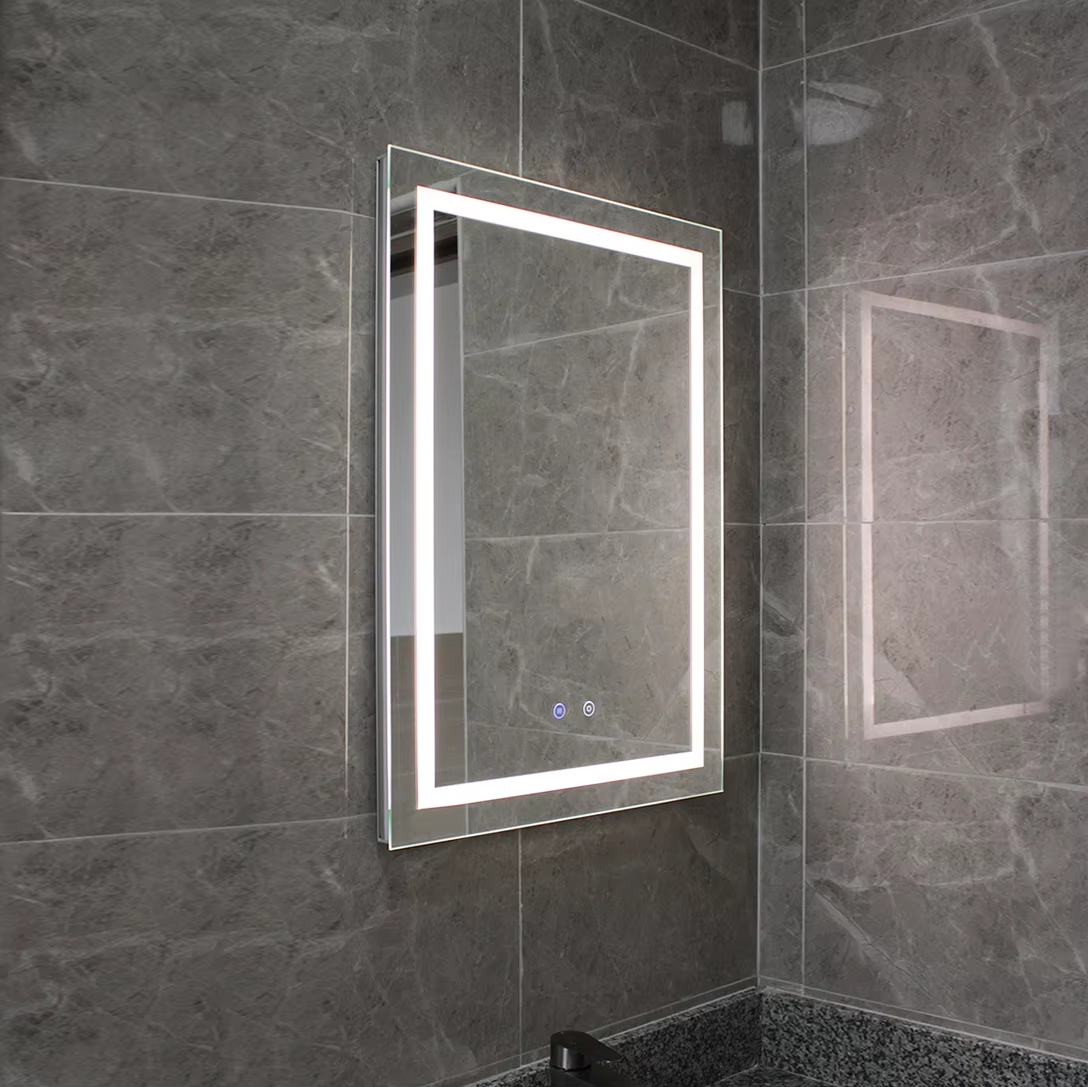
How Suction Cup Mirrors Achieve Reliable Adhesion on Smooth Surfaces
Vacuum Lock vs. Gel-Based Adhesion: Mechanisms That Keep Your Suction Cup Mirror in Place
Most suction cup mirrors work with either vacuum lock technology or gel based bonding methods. The vacuum system works by creating a tight seal when it pushes out all the air between the cup and whatever surface it's attached to. This creates negative pressure that holds the mirror in place. But here's the catch: these systems need absolutely perfect contact with no tiny gaps at all. Even the smallest space will weaken how well they stick. Gel based options take a different approach. They use thick polymer materials that actually mold around small bumps and uneven spots on surfaces. Vacuum locks are best for super smooth stuff like tempered glass where there's nothing to interfere with the seal. Gels handle rougher surfaces better though, sticking pretty well even on things like acrylic panels or tiles with slight glaze variations. Tests have shown that vacuum systems can typically handle about 15 pounds per square inch before coming loose from really clean surfaces. Advanced gels hold around 12 pounds per square inch for roughly three days straight without losing much grip power.
Why Glass, Tile, and Acrylic Deliver Optimal Seal Integrity for Suction Cup Mirrors
When it comes to how well something sticks via suction, there are basically three key surface characteristics that matter most: whether it's porous or not, how smooth it feels under magnification, and how rigid the material remains. Glass surfaces tend to be best for this because they're almost completely non porous and have very uniform textures across their entire surface area. Tests show glass can achieve around 98 percent vacuum seal effectiveness in lab conditions. Ceramic tiles come next in line if they've been glazed properly. The glass-like finish on good quality ceramic stops air from getting through tiny gaps. Acrylic materials sit at number three on our list. Even though acrylic isn't as hard as glass, its uniform makeup makes it work pretty reliably for sticking purposes as long as there aren't too many scratches on the surface. Materials that absorb liquids or have rough textures such as wood panels or unfinished drywall walls will let air sneak through those tiny pores and cracks, which means suction cups just won't hold onto them for very long. Another factor worth mentioning is temperature changes. Surfaces that don't expand much when heated maintain better contact with suction devices over time since they stay dimensionally stable despite environmental fluctuations.
Choosing the Right Suction Cup Mirror for Maximum Hold Strength
Silicone, Polyurethane Gel, and Hybrid Vacuum-Lock Designs Compared
Silicone suction cups stick really well because they form strong, heat resistant seals that work great on smooth stuff like glass and tiles. The polyurethane gels are different though. They're softer and can actually fill in those tiny little bumps and cracks, so they grip better on things like acrylic that aren't perfectly flat. But watch out for heat - these gels don't handle high temperatures as well as silicone does. Some newer products mix both approaches by combining vacuum locks with extra thick gel around the edges. These hybrid models seem to hold up better when temperatures change throughout the day, making them pretty versatile for different environments.
| Material | Adhesion Mechanism | Best Surface Match | Heat Resistance |
|---|---|---|---|
| Silicone | Rigid vacuum seal | Glass, ceramic tile | High |
| Polyurethane gel | Conformable adhesion | Acrylic, painted surfaces | Moderate |
| Hybrid | Vacuum + gel combination | All smooth surfaces | High |
Matching Cup Diameter, Rim Flexibility, and Weight Capacity to Your Surface
- Cup diameter directly influences hold strength; larger cups (4+ inches) distribute weight evenly for heavier mirrors
- Rim flexibility determines surface adaptation; moderately flexible rims maintain seal integrity on surfaces with minor irregularities
- Weight capacity must exceed your mirror's weight by at least 30% to accommodate dynamic loads like door vibrations
Always verify manufacturer testing data against your surface type—glass typically supports 2.5 inches more weight than acrylic per square inch of suction contact.
Step-by-Step Installation Best Practices for a Secure Suction Cup Mirror Mount
Surface Prep: Cleaning, Temperature, and Priming for Instant, Lasting Adhesion
Getting the surface right really makes all the difference when it comes to those suction cup mirrors sticking properly. Around 9 out of 10 problems happen because people skip this step. Start by wiping down glass, tiles, or acrylic with some rubbing alcohol to get rid of those pesky invisible oils and dust particles that nobody can see but will definitely mess things up. The surface needs to be at normal room temperature too. Cold stuff just doesn't stick as well since the seal gets stiff, whereas hot surfaces actually make the glue weaker over time. If dealing with super shiny finishes, give the spot a quick sanding with about 200 grit paper to create better grip points. Want to check if everything works? Press one of those cups against the surface for half a minute or so. If it starts sliding around, then probably need some kind of primer gel made specifically for smooth surfaces. Research indicates that properly prepared areas hold on roughly three times longer compared to whatever happens when folks skip these steps completely.
The Press-and-Hold Technique + Leveraged Release Test for Real-Time Hold Verification
Apply your suction cup mirror using the press-roll-hold method:
- Center the cup firmly against the surface
- Roll edges outward to purge trapped air
- Maintain pressure for 45 seconds to activate vacuum seals
Immediately perform a leveraged release test:
- Grip mirror edges (not the frame)
- Apply gradual sideways force (≤5 lbs)
- Check for micro-movement indicating seal failure
This technique distributes weight evenly and prevents edge lift-off. Never pull directly outward—this bypasses vacuum integrity checks.
Maintaining Long-Term Performance of Your Suction Cup Mirror
Regular maintenance keeps suction cup mirrors stuck in place for years without issues. Once a month, wipe down the rim of the cup with a soft microfiber cloth and gentle cleaner that doesn't contain abrasives or alcohol to get rid of gunk that makes the seal fail. Stay away from ammonia products since they eat away at the rubbery parts made of silicone or polyurethane. After giving it a good clean, really press the cup onto whatever surface it sits on to make sure the vacuum holds properly. Keep an eye on where the mirror lives too - damp spots above 60% humidity will slowly sap suction power, and cold areas under 50 degrees Fahrenheit just make those materials stiff and less effective. Do a quick check each week by tugging lightly on one corner of the mirror frame to see if it still sticks well. When things start slipping around, take the mirror off completely, scrub both sides with soapy water, give them a thorough rinse, then put everything back together with firm pressure held for a few seconds. Put the mirror somewhere shaded when it's not being used because constant sunshine breaks down the materials faster than we'd like. Following these simple steps stops unexpected failures and keeps reflections clear and sharp instead of foggy or distorted.
FAQ
How do suction cup mirrors adhere to surfaces?
Suction cup mirrors adhere to surfaces using either vacuum lock technology, which creates negative pressure by sealing out air, or gel-based bonding that molds around minor surface inconsistencies.
What are the best surfaces for suction cup mirrors?
The best surfaces for suction cup mirrors are glass, ceramic tiles, and acrylic, as they offer minimal porousness, smooth textures, and rigidity, ensuring optimal suction.
How can I ensure my suction cup mirror maintains its hold over time?
Ensure your suction cup mirror maintains its hold by regularly cleaning the cup rim, avoiding exposure to ammonia-based products, and monitoring surface humidity and temperature stability.
What is the best method for installing a suction cup mirror?
The best method for installing a suction cup mirror involves proper surface cleaning, ensuring appropriate temperature and performing the press-roll-hold technique followed by a leveraged release test.