
 EN
EN

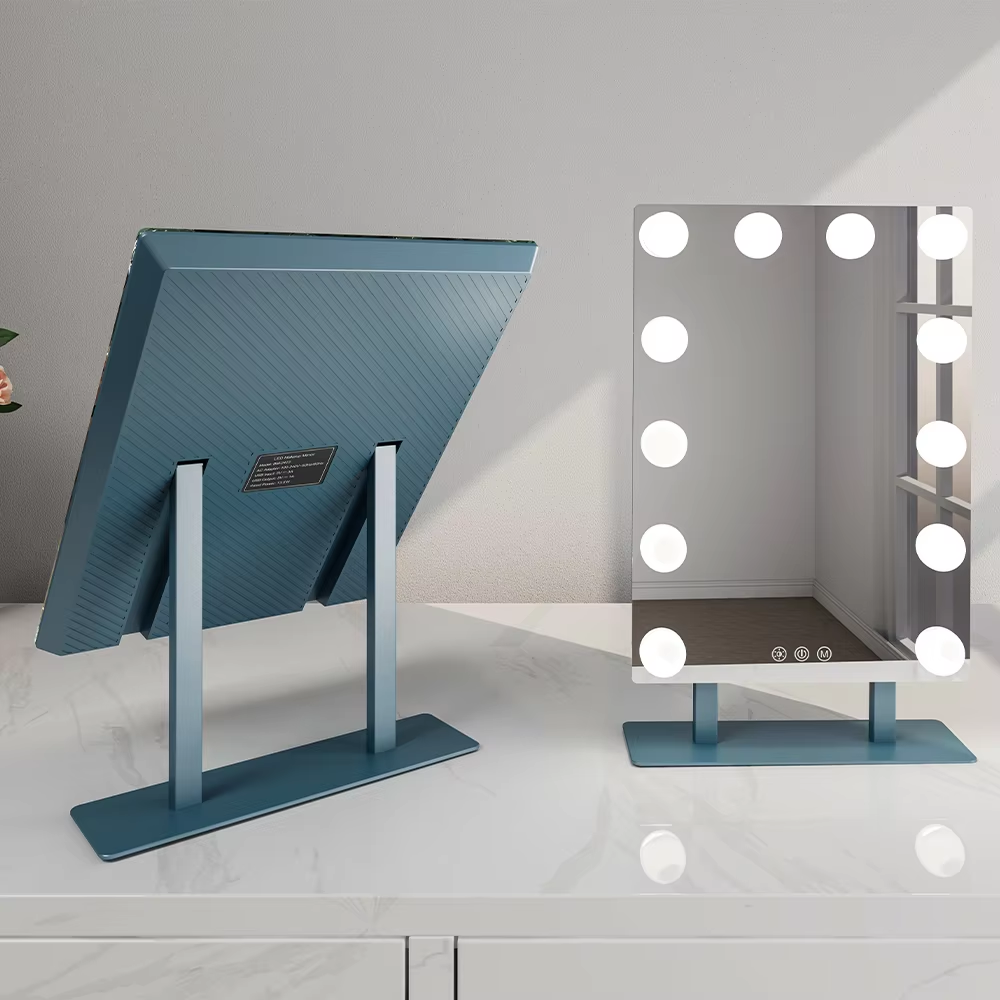
Why Natural Daylight Is the Gold Standard for Grooming
Most people agree that natural daylight remains the best bet when it comes to getting ready in front of the mirror. Artificial lights just don't cut it because they miss out on showing what things really look like. Take those warm light bulbs for instance, they tend to make everything look too yellowish or orangey. Then there are those fluorescent lights that give everything a weird bluish tint. Both types hide small flaws and mess with how makeup colors actually appear. When we work under real sunlight, our skin's natural undertones show through properly, textures become visible, and whether foundation blends well or not becomes obvious. That's why many beauty professionals still swear by doing touch-ups near windows during the day instead of relying solely on bathroom lights at night.
Makeup pros know that working next to a window with indirect sunlight gives them the best view possible. The light spreads out so evenly that it doesn't cast those annoying harsh shadows we all hate. This makes it much easier to catch problems like patchy foundation spots, concealer that doesn't match skin tone exactly, or when contours look off. For anyone shopping for a vanity mirror with built-in lighting, getting close to this natural light quality matters a lot. Look for bulbs around 5000K on the color temperature scale since this provides pretty neutral lighting conditions. Also check the Color Rendering Index number - anything above 90 works well enough to show colors just like they would look outside. Miss either of these specs and what looks perfect under artificial lights might suddenly seem wrong once someone steps outside into daylight.
Key Technical Metrics: Color Temperature (4000K–5000K) and CRI 90+ in Vanity Mirrors with Lights
Getting good daylight simulation right means paying attention to some key technical details. Color temperature measured in Kelvin determines whether light feels warm or cool, whereas CRI tells us how true to life colors appear under that light. When these factors align properly, they help cut down on those annoying artificial color casts and harsh shadows that can mess with our perception of skin texture and makeup application. Most professionals agree that lights falling between 4000K and 5000K Kelvin strike just the right balance for close-up grooming work where accuracy really counts. This range mimics natural outdoor lighting conditions enough to make subtle differences in hair color, skin tone variations, and product application stand out clearly without being too harsh on the eyes during long sessions.
How 5000K Balances Warmth and Clarity for Accurate Skin and Makeup Assessment
Light at around 5000K feels similar to what we see on a bright midday day outside it gives off that cool clear look but still has some warmth so things don't get washed out completely. What makes this temperature special is how it brings out colors that might be hidden under warmer lighting options like those around 3000K, without making everything look too harsh or flat as happens with really high temps like 6500K. Take someone with rosacea for example their condition shows up properly under these conditions, unlike in softer 3000K lighting where the redness can disappear almost entirely. Getting accurate color representation matters a lot when picking makeup shades, checking skin discolorations, or looking at how skin heals after treatments. Plus, working under this kind of light isn't so hard on the eyes over time, which helps professionals do detailed tasks like applying makeup or performing skincare procedures without getting tired as quickly.
Why CRI 90 Is Non-Negotiable for True-Color Rendering in a Vanity Mirror with Lights
When a mirror has a CRI rating above 90, it basically captures around 90% of what we see in natural daylight. This hits the mark set by the Illuminating Engineering Society for situations where accurate color perception matters most. On the flip side, mirrors with lower CRI scores tend to mess with colors. Some research actually found that lipstick samples looked completely different under lights with an 80 CRI rating, sometimes off by as much as 20%. Good color rendering makes all the difference for beauty professionals who need to match makeup shades, dye hair accurately, or apply treatments correctly. These mirrors can tell apart subtle differences between colors like berry red and true burgundy. They also help spot early skin issues such as melasma that might otherwise go unnoticed. Without proper color accuracy, even the best techniques won't look right once someone steps away from their bathroom mirror.
Optical Engineering: Uniform Illumination and Shadow-Free Design
Getting that natural daylight effect isn't just about color balance it also needs even light throughout the whole area being lit. When lights are off balance they cast strange shadows and create bright spots that hide details like face shape and skin texture. This makes it really hard to judge where products should go and how they blend together. A study from Dermatology Insights back in 2023 showed something interesting too about this issue. They discovered that around three quarters of all those little mistakes people make while grooming happen because the lighting simply wasn't right.
Edge-Lit vs. Backlit Architectures–How Light Distribution Affects Grooming Accuracy
Edge lit mirrors have their LED lights positioned around the outer edge, creating a lighting effect where brightness is strongest near the borders and gets softer towards the middle. This kind of lighting tends to highlight those dark areas under the eyes and around the nose, but can actually make cheekbones look less defined. Backlit systems work differently though. These put the LEDs behind a special panel that spreads the light out more evenly over the whole mirror surface, mimicking how daylight would naturally illuminate a face. The way these two lighting approaches work makes all the difference when someone is trying to assess skin conditions or makeup application accurately.
| Architecture | Light Distribution | Grooming Impact |
|---|---|---|
| Edge-Lit | Concentrated at edges, fading inward | Highlights facial asymmetry, obscures cheekbone detail |
| Backlit | Even field across entire surface | Reveals true skin tone variations and makeup consistency |
Backlit vanity mirrors reduce shadow-related misjudgments by 60% compared to edge-lit alternatives–enabling confident color matching, texture analysis, and long-term skincare monitoring.
Adaptive Lighting: Tunable Brightness and Color Temperature for Context-Aware Use
Modern vanity mirrors go beyond static illumination with adaptive technology that adjusts brightness and color temperature to match environmental conditions and user needs. This flexibility supports visual comfort and color accuracy across diverse routines–from high-precision morning makeup application to gentle evening skincare.
Morning vs. Evening Modes: Aligning a Vanity Mirror with Lights to Circadian Rhythms
In the morning, most lighting systems start around 5000K or even brighter, mimicking natural daylight which helps people stay awake and see small details better when doing things like applying makeup evenly or grooming eyebrows. When night falls, these smart lights switch gears to warmer colors between 2700 and 3000K while turning down the brightness. This change cuts back on blue light that messes with our body's production of melatonin, the hormone that makes us sleepy. The way these lights adjust according to day and night actually helps maintain better sleeping patterns, plus they still look good without causing glare during evening activities. What's really handy is how users can tweak exactly when transitions happen and how quickly the light changes intensity. This flexibility matters a lot for people who work odd hours or live somewhere where there isn't much sunlight to begin with.
FAQ Section
Why is natural daylight preferred for grooming?
Natural daylight ensures true color representation and highlights skin undertones, textures, and flaws accurately, unlike artificial lights.
What is the ideal color temperature for vanity mirrors?
Bulbs with a color temperature between 4000K and 5000K are ideal for mimicking natural daylight in vanity mirrors.
Why is a CRI above 90 important for vanity mirrors?
A CRI above 90 captures colors accurately, allowing for precise makeup application, hair dyeing, and treatment assessments.
What are the differences between Edge-Lit and Backlit vanity mirrors?
Edge-Lit mirrors concentrate light at the edges, causing asymmetry, while Backlit mirrors provide even illumination for accurate grooming.
Table of Contents
- Why Natural Daylight Is the Gold Standard for Grooming
- Key Technical Metrics: Color Temperature (4000K–5000K) and CRI 90+ in Vanity Mirrors with Lights
- Optical Engineering: Uniform Illumination and Shadow-Free Design
- Adaptive Lighting: Tunable Brightness and Color Temperature for Context-Aware Use
- FAQ Section