
 EN
EN

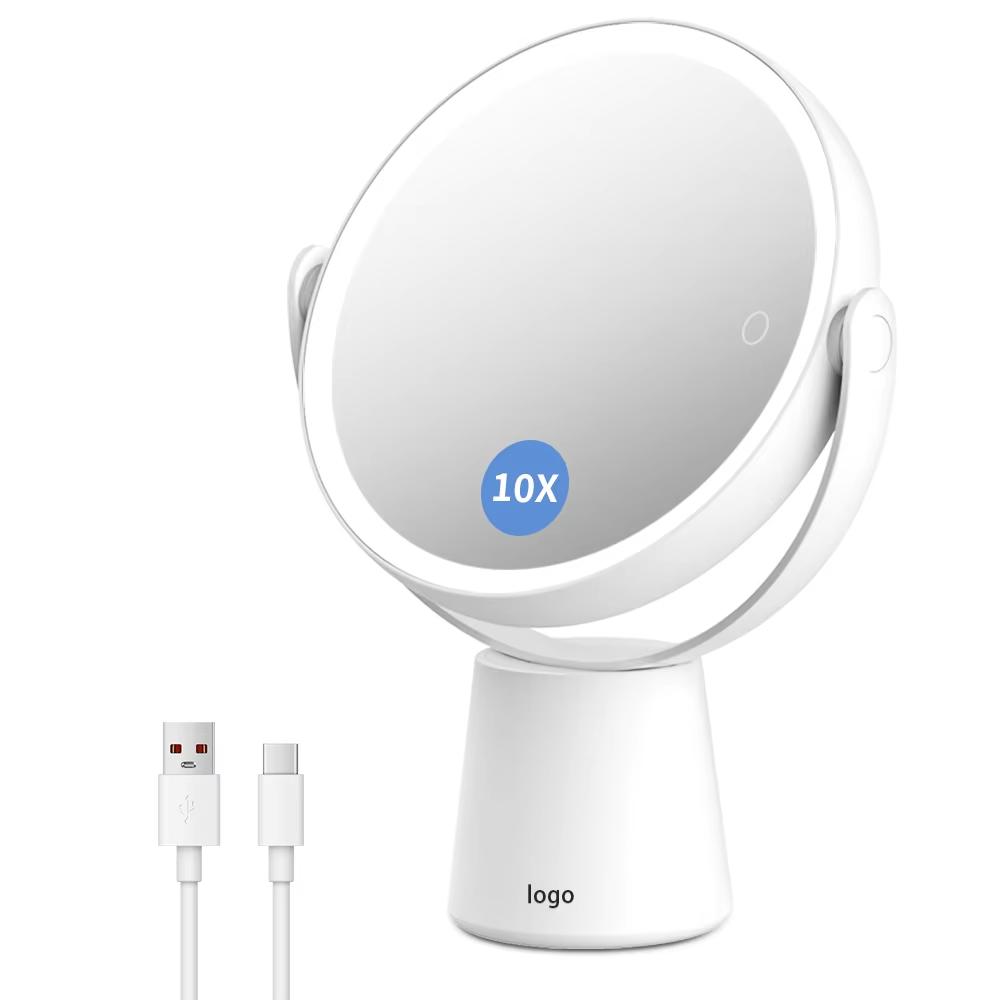
Optimal Magnification Levels for Comfort and Visual Safety
Why Higher Magnification Isn’t Always Better: The Eye Strain Threshold
When using higher magnification mirrors like 8x to 10x, people notice their field of view gets smaller while small hand movements become exaggerated. The eyes have to work harder to stay focused over time, which strains those tiny focusing muscles quite a bit. All this extra effort puts continuous pressure on what optometrists call the accommodative system, leading to tired eyes, headaches, and sometimes temporary blurry vision after using them for a while. According to recent research published in Vision Health Journal back in 2023, there was actually about a 40 percent increase in headaches reported when comparing 10x magnification tools to just 5x ones during activities like shaving or applying makeup close up. Another issue comes from barrel distortion that happens frequently at these higher zoom levels. This optical quirk messes with how we perceive space, making our brains constantly adjust and recalibrate, which adds even more strain on already overworked visual systems.
Balancing Field of View, Distortion, and Usability Across 1x–10x Magnifying Mirrors
For most daily routines, 3x–5x magnification delivers the best compromise between detail visibility and visual comfort:
- Field of View: At 5x and an 8-inch viewing distance, users retain ~12 inches of horizontal coverage—enough for full-face assessment without constant repositioning
- Distortion Control: Aspheric lens designs in mid-range mirrors effectively suppress pincushion and barrel distortion, preserving natural facial proportions
- Usability: Lower magnifications align more closely with the eye’s resting focal point (~20–25 inches), reducing accommodative effort and minimizing blink-rate disruption
| Magnification | Ideal Use Case | Avg. Eye Strain Incidence |
|---|---|---|
| 1x–3x | General grooming | 12% (low) |
| 5x | Precision tasks | 18% (moderate) |
| 8x–10x | Brief detail inspection | 34% (high) |
Optometrists recommend 5x as the default for everyday use, reserving 10x for sub-30-second spot checks—such as evaluating a single blemish or lash line—to avoid cumulative accommodative stress linked to light sensitivity and afterimage persistence.
Integrated Lighting Design in Magnifying Mirrors for Reduced Visual Fatigue
LED Color Temperature, Brightness Control, and Flicker-Free Performance
Integrated lighting transforms magnifying mirrors from basic tools into vision-supportive devices. Effective illumination balances physiological needs with practical usability:
- Color temperature: LEDs in the 3000K–4000K range replicate natural daylight, supporting circadian-appropriate pupil response and reducing contrast-induced glare
- Adjustable brightness: Ten-step dimming allows seamless adaptation across lighting conditions—from dim morning bathrooms to brightly lit daytime spaces—while preventing retinal overstimulation
- Flicker-free operation: High-frequency drivers eliminate imperceptible strobing, a known contributor to photophobia and headache onset (American Optometric Association, 2023)
Illuminated vs. Non-Illuminated Magnifying Mirrors: When Light Makes the Difference
Regular mirrors depend completely on whatever light happens to be around them, which usually results in patchy lighting that leaves dark areas beneath eyebrows, cheeks, and along the jawline. People end up squinting, tilting their heads back and forth, or craning their necks just to see properly - all of which leads to tired muscles and sore eyes after extended periods. Better quality mirrors come equipped with LEDs positioned around the edges so they spread light evenly over the whole face without any harsh shadows. These mirrors don't create those annoying bright spots that make our pupils shrink involuntarily and irritate the eyes. Plus, most modern versions consume less than five watts per hour, making them good for the environment and practical enough for everyday bathroom routines without worrying about electricity bills.
Ergonomic Use: Positioning, Viewing Distance, and Mounting Options for Long-Term Comfort
Getting the mirror positioned right matters a lot for our eyes over time. Keep it about 20 to 30 inches away from face, which is roughly how far an arm reaches out. This helps maintain a comfortable position for the eyes and takes pressure off them when looking at close objects. The middle part of the mirror should line up with where the eyes naturally rest when sitting or standing straight. This prevents us from constantly bending or stretching the neck forward. When mirrors need to stay put for long periods, adjustable mounts really make a difference. Wall brackets and those freestanding ones with multiple joints let people tweak the angle, height, and direction as needed. Especially helpful during routines that involve different tasks like applying makeup, trimming eyebrows, or brushing teeth. Mirrors that move smoothly without resistance help keep the back straighter and reduce strain on muscles around the shoulders and neck area. Studies have found that good ergonomic setups can cut down on body aches by nearly half according to a report from Ponemon Institute last year.
Anti-Glare, Coated Lenses, and Surface Quality in Premium Magnifying Mirrors
The best magnifying mirrors focus on getting the optics right through multiple layers of engineering. Special anti-glare coatings cut down on reflections from surrounding light by around 30 to 40 percent. These coatings actually push unwanted light away from where we look, so people don't squint as much when doing detailed work and can see better contrasts. The lenses themselves have several different treatments working together. A tough base layer protects against scratches, while another top layer keeps water, oil, and fingerprints from sticking around, which means the mirror stays clear longer without needing constant cleaning. For really good optical quality, manufacturers aim for no more than 2% difference in curvature and at least 90% of the mirror surface needs to be free of distortions across all edges. When humidity gets high, special molecular barriers keep the mirror reflective even when it's completely saturated with moisture. All these improvements combined let users look comfortably for about twice as long as they would with regular mirrors without any coatings, according to recent studies from eye care professionals in 2024.
FAQ
What magnification level is best for everyday use?
Optometrists recommend 5x magnification as the default for everyday use as it balances visibility and comfort effectively.
How does LED lighting in mirrors benefit eye health?
LED lighting replicates natural daylight and reduces glare. Adjustable brightness helps prevent eye strain, whereas flicker-free performance reduces headache risks.
Why is mirror positioning important for reducing visual fatigue?
Proper positioning at about 20 to 30 inches away from the face aligns with the eye's resting focal point, reducing strain on the eyes and neck.
Do anti-glare coatings on mirrors really help?
Yes, anti-glare coatings significantly reduce reflections from surrounding light, which minimizes eye strain and enhances visibility.
Table of Contents
- Optimal Magnification Levels for Comfort and Visual Safety
- Integrated Lighting Design in Magnifying Mirrors for Reduced Visual Fatigue
- Ergonomic Use: Positioning, Viewing Distance, and Mounting Options for Long-Term Comfort
- Anti-Glare, Coated Lenses, and Surface Quality in Premium Magnifying Mirrors
- FAQ