
 EN
EN

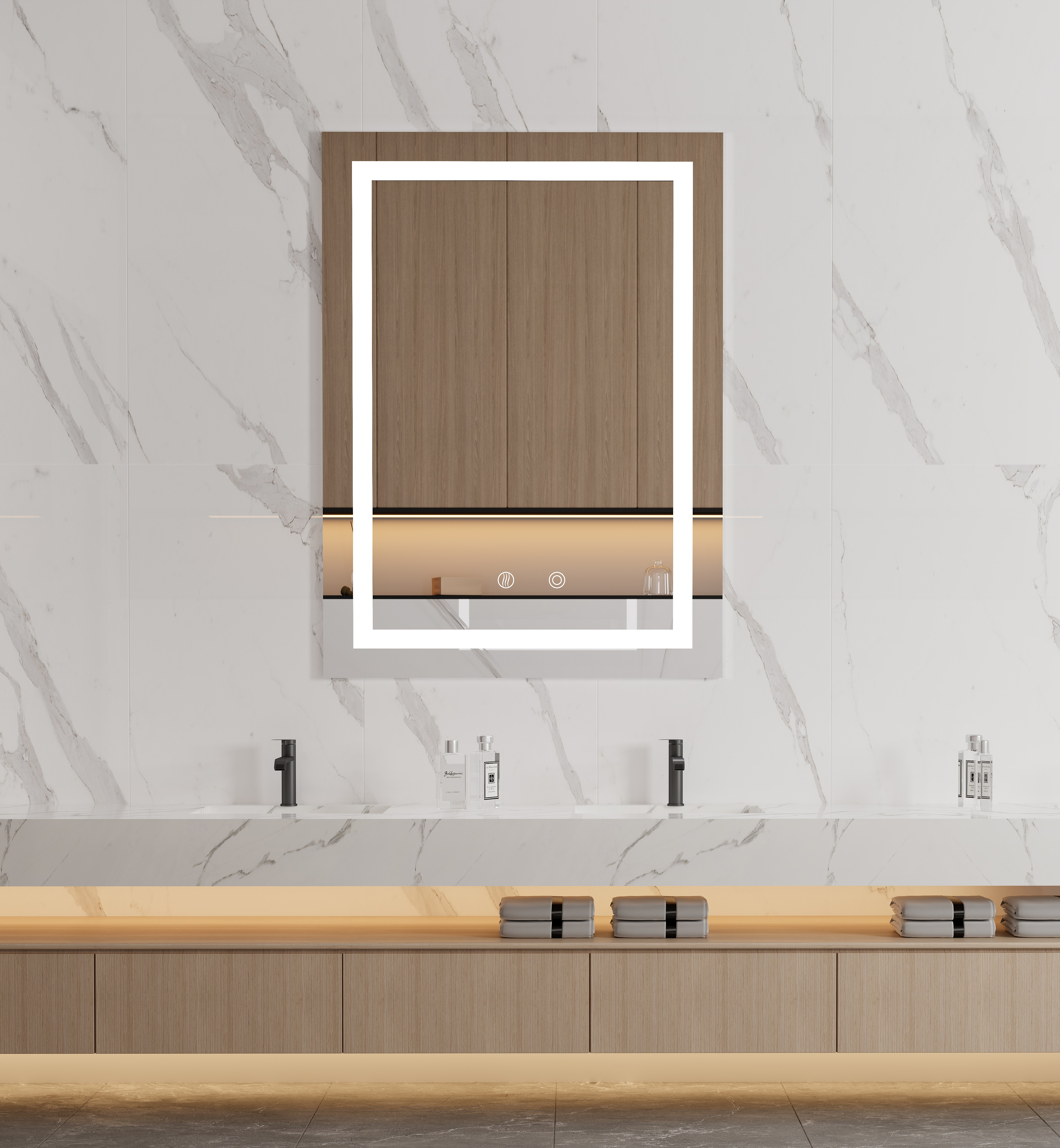
LED Bathroom Mirror Energy Efficiency: Physics, Efficacy, and Real-World Performance
Luminous Efficacy Explained: Why LED Lighting Delivers More Lumens per Watt Than Incandescent Vanity Lights
LED tech turns electricity into light really efficiently because of something called electroluminescence. Regular light bulbs waste about 90% of their energy as heat, but LEDs actually put most of that power right into producing light. For bathroom mirrors specifically, LEDs can give around 70 to 100 lumens for every watt they consume, which is roughly 10 times better than old fashioned vanity lights that only manage 10 to 17 lumens per watt according to recent studies. The US Department of Energy found in their latest report that these differences mean LED systems need at least three quarters less power to shine just as bright as traditional options. Plus, since LEDs emit light in specific directions rather than all over the place, there's no need for those extra reflectors or diffusers we see on older fixtures. That makes LED bathroom mirrors smart choices for saving energy right from when they're first installed.
Typical Wattage Profiles: 10–50W LED Bathroom Mirror vs. 100–200W Traditional Mirrors with Incandescent Bulbs
The operational wattage difference between modern and traditional bathroom mirrors underscores substantial energy savings. A typical LED bathroom mirror draws 10–50W depending on size and features; traditional mirrors with incandescent bulbs consume 100–200W for comparable illumination. This 80–90% reduction stems directly from LED’s superior luminous efficacy.
| Lighting System | Wattage Range | Equivalent Incandescent Wattage | Daily Energy Use (1 hr/day) |
|---|---|---|---|
| LED Bathroom Mirror | 10–50W | 60–300W | 0.01–0.05 kWh |
| Traditional Mirror | 100–200W | 100–200W | 0.1–0.2 kWh |
Over a year, a 30W LED mirror used 1 hour daily consumes just 11 kWh—versus 73 kWh for a 200W traditional setup. At the U.S. average electricity rate of $0.15/kWh, that translates to $9+ in annual savings per mirror—before factoring in reduced cooling loads from lower heat output.
Quantifiable Cost Savings from Switching to an LED Bathroom Mirror
Hourly Electricity Cost Comparison and Annual Savings Calculation (Based on U.S. Average Rates)
At $0.15/kWh:
- Hourly cost: LED mirror = $0.0015—$0.0075 vs. traditional = $0.015—$0.03
- Annual cost (4 hours/day): LED = $2.19—$10.95 vs. traditional = $21.90—$43.80
This yields $16—$33 in annual electricity savings per mirror—a figure that compounds meaningfully across multi-bathroom households.
Payback Period Analysis: How Long Until Energy Savings Offset the Higher Upfront Cost?
While premium LED bathroom mirrors carry a $30—$100 upfront premium over basic non-illuminated mirrors, their energy efficiency delivers strong ROI:
| Cost Factor | LED Bathroom Mirror | Traditional Mirror |
|---|---|---|
| Average upfront cost | $150—$300 | $50—$200 |
| Annual energy cost | $2—$11 | $22—$44 |
| Annual savings | $16—$33 | — |
With $16—$33 in yearly electricity savings, the payback period ranges from 1—6 years, depending on usage intensity and initial cost differential. After breakeven, owners enjoy pure savings over the LED’s 15+ year service life.
Strategic Lighting Integration: How an LED Bathroom Mirror Reduces Reliance on Overhead Fixtures
Integrated LED illumination in bathroom mirrors targets task lighting needs precisely—eliminating the need for supplemental vanity lamps or excessive overhead use. Traditional setups often rely on both ceiling fixtures and separate incandescent vanity lights (typically 40–60W each) to avoid shadows during grooming—a redundant, energy-intensive configuration.
By delivering uniform, shadow-free, forward-facing light directly from the mirror surface, LED-integrated models consolidate lighting functions into a single, efficient source. Field data shows households replacing supplemental lighting with an LED bathroom mirror achieve an average 35% reduction in total bathroom lighting energy use, driven by:
- Elimination of dedicated vanity lighting (40–60W saved), and
- Reduced runtime of primary overhead fixtures due to targeted task illumination.
Because LED mirrors operate at just 10–50W—versus 100–200W for legacy mirror-plus-lamp systems—their integration lowers cumulative demand during high-frequency routines like shaving or makeup application.
Extended Benefits: Longevity, Sustainability, and Environmental Impact of LED Bathroom Mirrors
Lifetime Energy Conservation: COâ‚‚ Reduction Equivalent of One LED Bathroom Mirror Over 10 Years
A standard LED bathroom mirror saves around 2,000 pounds of CO2 emissions over ten years when compared to old fashioned incandescent mirrors. That's what 23 fully grown trees can absorb in one year! And according to tests from the US Department of Energy, these LED mirrors cut electricity usage by about three quarters. When we look at this across the country, all those small changes really start adding up toward bigger environmental goals for homes everywhere.
Reduced Maintenance Burden and Waste: 50,000-Hour LED Lifespan vs. 1,000-Hour Incandescent Bulbs
LED bathroom mirrors offer dual sustainability advantages:
- Longevity: Rated for 50,000 hours—50 times longer than standard incandescent bulbs (1,000 hours)—which eliminates decades of replacement cycles and associated labor.
- Waste reduction: One LED installation avoids ~50 bulb replacements, diverting an estimated 15 lbs of glass, metal, and packaging from landfills.
Validated through industry-standard accelerated aging tests, this durability makes LED mirrors a foundational element of low-maintenance, resource-conscious bathroom design.
FAQ
What is the luminous efficacy of LED bathroom mirrors compared to incandescent lights?
LED bathroom mirrors deliver 70 to 100 lumens per watt, about 10 times more efficient than incandescent vanity lights, which provide only 10 to 17 lumens per watt.
How much do LED bathroom mirrors typically save on energy costs?
LED mirrors can save between $16 to $33 annually per mirror due to their higher energy efficiency, with a payback period of 1-6 years depending on usage and initial costs.
What is the lifespan of LED bulbs compared to incandescent bulbs in bathroom mirrors?
LED bulbs last up to 50,000 hours, significantly longer than the 1,000-hour lifespan of incandescent bulbs, reducing maintenance and waste.
Table of Contents
-
LED Bathroom Mirror Energy Efficiency: Physics, Efficacy, and Real-World Performance
- Luminous Efficacy Explained: Why LED Lighting Delivers More Lumens per Watt Than Incandescent Vanity Lights
- Typical Wattage Profiles: 10–50W LED Bathroom Mirror vs. 100–200W Traditional Mirrors with Incandescent Bulbs
- Quantifiable Cost Savings from Switching to an LED Bathroom Mirror
- Strategic Lighting Integration: How an LED Bathroom Mirror Reduces Reliance on Overhead Fixtures
- Extended Benefits: Longevity, Sustainability, and Environmental Impact of LED Bathroom Mirrors
- FAQ