
 EN
EN

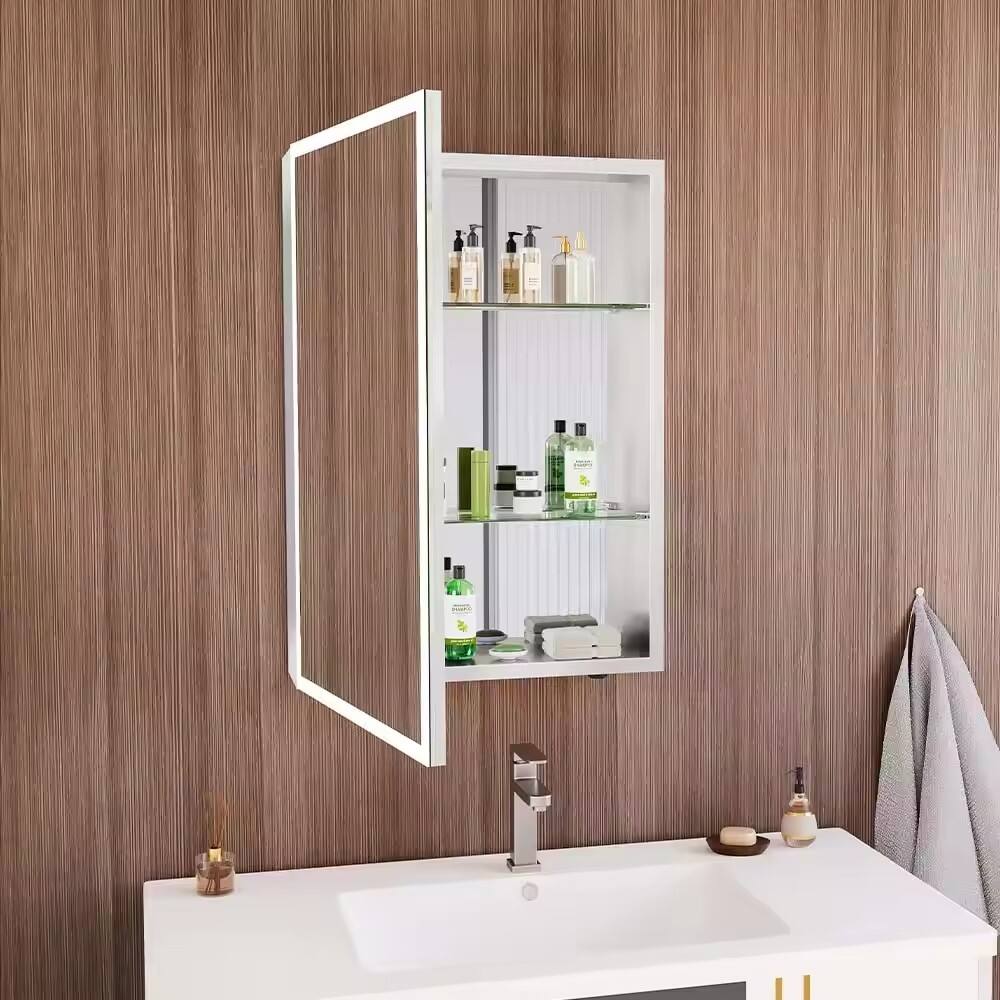
Vertical Space Optimization with Bathroom Mirror and Cabinet Units
Leveraging Wall Height for Storage Without Floor Footprint
When it comes to small bathrooms that average around 36 to 40 square feet, getting creative with vertical space is essential for extra storage. Wall mounted systems basically turn those empty walls into hidden storage spots without taking away any precious floor space. The tall cabinets next to mirrors have plenty of room inside for all sorts of bathroom stuff like toiletries, towels, and even extra linens, so nothing ends up piled on the counter anymore. Since these units are attached directly to the wall, there's no obstruction in the way people move around, which actually helps meet ADA requirements in smaller spaces. Plus, their height gives the impression that the ceilings are higher than they really are, tricking the eye into thinking the whole room is bigger and airier than it actually is.
Integrated Design Benefits: Mirror + Cabinet vs. Separate Elements
When it comes to bathroom organization, integrated mirror-cabinet units really outperform traditional setups where mirror and storage are separate items. Putting everything together cuts down on installation headaches since there are about half as many mounting points needed. This means less messing around with walls and structures, plus hardware lasts longer without wearing out so fast. The doors themselves do double duty too. They reflect light which makes the whole area feel brighter while hiding all those shelves behind them. Some research in environmental psychology actually suggests this kind of design can cut down on feelings of clutter by roughly two thirds. Plus, cleaning becomes much simpler when there's no awkward gap between different fixtures taking up precious wall space. Every square inch works harder for whoever uses the room daily.
Enhancing Perceived Spaciousness Through Bathroom Mirror and Cabinet Placement
Strategic Mirror Positioning to Expand Visual Depth
Putting mirrors vertically above bathroom sinks makes walls look longer and ceilings seem higher, which works wonders in small spaces or rooms with low ceilings. If someone puts a mirror across from a window or main light source, it creates a horizontal reflection that basically doubles how deep the room feels by bouncing back what's outside or showing off cool architectural details inside. Mirror cabinets built into walls help keep things looking neat without breaking up the line of sight, unlike those separate mirrors that stick out and disrupt the flow when walking around. According to studies done by architects at the American Institute of Architects, good mirror placement can make a space feel about 30% bigger than it actually is. To get the most out of this trick:
- Mount the unit’s center at eye level (60–65 inches from the floor)
- Align its width precisely with the vanity to reinforce symmetry
- Keep surrounding fixtures and decor minimal to avoid obstructing reflections
Light Reflection and Spatial Illusion: How Mirrors Amplify Natural and Artificial Light
Mirrors really make a difference when it comes to lighting small spaces because they bounce around both sunlight and electric lights throughout the room. Putting together a bathroom mirror with storage right across from a window can actually bring in about 70% more daylight according to those DOE guidelines on efficient lighting. That means people don't need their overhead lights on as much which saves money on electricity bills. When cabinets have built in LED strips, they create nice bright spots where someone needs to see clearly without casting shadows everywhere. The lights also help things look deeper than they actually are. Combine these features with shiny cabinet surfaces and suddenly those sharp corners get softened up and the walls seem further away than they really are. Even bathrooms that are just 50 square feet start feeling bigger and calmer without having to tear anything out or spend thousands on renovations.
Functional Organization Without Visual Clutter
Hidden Storage Solutions in Bathroom Mirror and Cabinet Systems
Mirror cabinets for bathrooms offer smart storage solutions that keep things organized but hidden from view. When shelves and compartments are tucked behind mirrors, they clear up counter space which gets crowded fast and makes the whole bathroom feel chaotic. Research in the field of cognitive ergonomics backs this up too. A study in Environment and Behavior found people experience around 30% less stress during their morning routines when spaces aren't cluttered. The best designs have recessed storage areas with shelves that can be adjusted vertically without sticking out into the room. Soft closing hinges make everything operate quietly and smoothly, maintaining the clean look. For those tiny bathrooms that feel like shoe boxes, these systems really work wonders. They turn tight spaces into peaceful functional areas where each item actually has its own spot and isn't just tossed somewhere random.
FAQ
Q: What are the benefits of using integrated mirror-cabinet units in a small bathroom?
A: Integrated mirror-cabinet units cut down on installation time by reducing the number of mounting points needed. They also provide a streamlined, clutter-free appearance while reflecting light to brighten and visually enlarge the space.
Q: How can mirror placement enhance the perceived size of a bathroom?
A: Correctly placed mirrors can make a space feel about 30% bigger by reflecting light and creating an illusion of depth. Mounting a mirror across from a window or light source maximizes this effect, as does aligning the mirror with the vanity for symmetry.
Q: How do mirrors amplify both natural and artificial light in a bathroom?
A: Mirrors reflect incoming light, including sunlight from windows and light emitted by artificial sources, thereby increasing the overall brightness of the bathroom and reducing the need for continuous electric lighting usage.
Q: Why is hidden storage in mirror cabinets beneficial?
A: Hidden storage solutions help clear countertops of clutter, making the bathroom appear tidier and reducing stress levels as per cognitive ergonomics studies. This creates a serene and functional space where everything has a designated place.