
 EN
EN

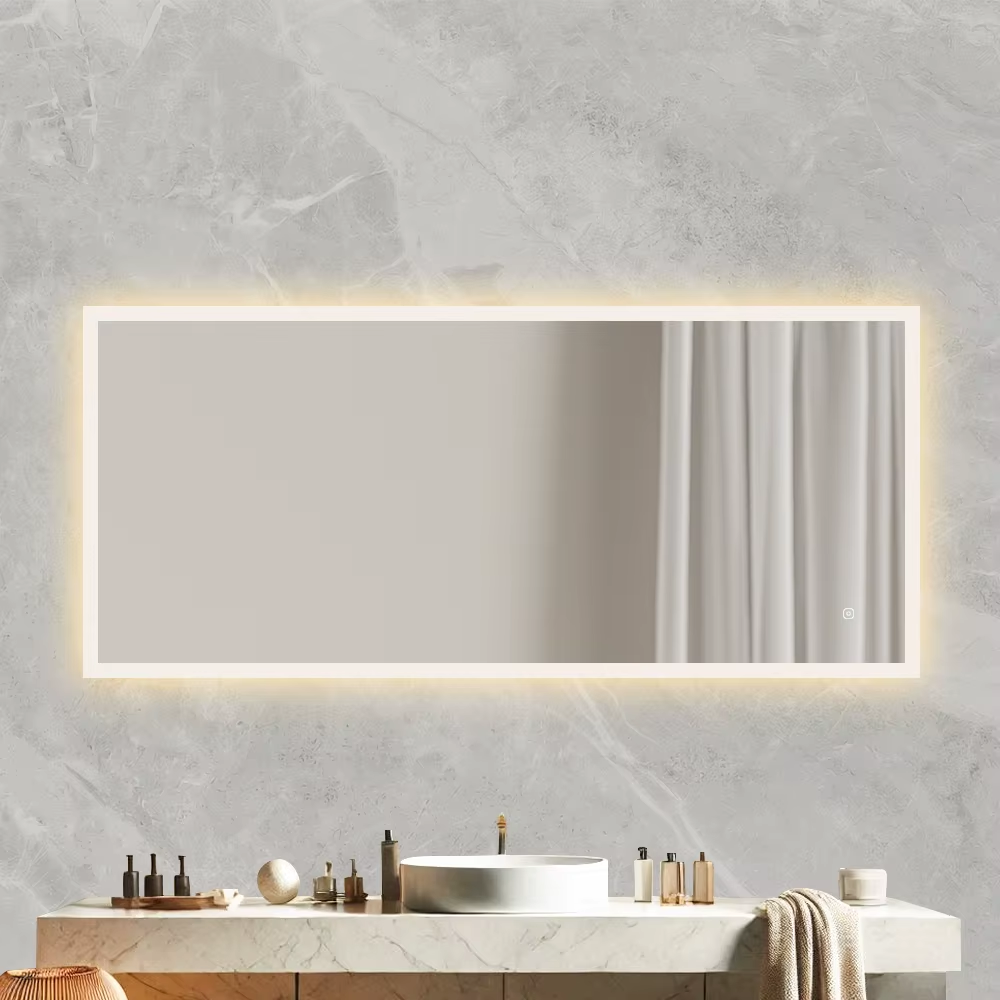
How Energy-Saving Mirrors with Lights Cut Power Use and Boost Efficiency
LED vs. Traditional Lighting: Wattage Savings and Luminous Efficacy in Mirrors with Lights
LED mirrors with built-in lighting use around 70 to 90 percent less electricity compared to old fashioned incandescent or halogen lights, yet they actually produce better light quality. Take a regular LED mirror for example it typically needs only between 10 and 30 watts to operate, whereas traditional vanity lights can guzzle anywhere from 60 to 100 watts. That means property owners save roughly 80% on their yearly electricity bills just by switching out their lighting. What makes LEDs so efficient? Well, these modern lights convert about 95% of the energy they receive into actual visible light, while most traditional bulbs waste around 90% as heat. The difference in performance is staggering when we look at lumens per watt output LEDs deliver 80 to 100 lumens per watt versus just 10 to 15 from those old school incandescents. And let's not forget about longevity LED mirrors last between 25,000 and 50,000 hours which is about 25 times longer than regular bulbs. This means fewer replacements needed and less time spent on maintenance work. Hotel operators who install hundreds of these mirrors across their properties report saving over $180 per room each year on lighting expenses alone.
Integrated Design Benefits: Eliminating Auxiliary Fixtures and Reducing Total Bathroom Lighting Load
LED mirrors that combine lighting and reflection cut down on the need for those separate vanity lights, overhead fixtures, and task lighting we usually see in bathrooms. This can slash the overall lighting load by anywhere from 30 to 60 percent. Take traditional bathroom lighting for example it typically pulls around 175 watts or more when adding up those 60 watt sconces plus a 75 watt overhead light and maybe some 40 watt task lighting. But guess what? A single LED mirror rated at just 20 watts actually gives the same amount of light or even better. These combined units save money because they prevent buying extra fixtures, simplify the wiring process, and stop all that wasted overlapping light. They also tackle something called light trespass where bright spots spill into areas nobody needs lit up. According to an ENERGY STAR study, this cuts energy waste by about 22% in commercial bathrooms. Facility managers love them too since installation costs drop by roughly 40% and energy bills stay lower throughout whole buildings over time.
Total Cost of Ownership and ROI for Bulk Orders of Mirrors with Lights
5-Year Lifecycle Analysis: Energy Savings, Maintenance Reduction, and Extended LED Lifespan
LED mirrors with lights reduce operational costs across three key dimensions: energy use drops by 65% versus halogen alternatives (Occupant Behavior Study 2023); maintenance frequency falls by 80% thanks to 50,000-hour LED lifespans; and fixture replacement costs vanish entirely. Bulk procurement of 500+ units lowers per-unit expenses by 30%. A comparative five-year analysis reveals:
| Cost Factor | Conventional Vanity | LED Mirror with Lights |
|---|---|---|
| Annual Energy Use | 175 kWh | 60 kWh |
| Lifespan | 1,000 hours | 50,000 hours |
| Maintenance Cycles | 3/year | 0.2/year |
| 5-Year TCO | $740 | $290 |
This yields $450 in savings per fixture over five years—$740,000 for 1,500 bathrooms.
Real-World Impact: Hotel Chain Achieves 32% Annual Energy Reduction Across 1,200 Bathrooms
One large hotel chain recently swapped out around 1,200 old fashioned vanity lights throughout their properties for energy efficient LED mirrors complete with built-in lighting. This switch slashed bathroom electricity usage by about 32% each year across all locations. The investment paid itself back within just over two years, and hotels saw an impressive return on investment right from the start at nearly 39% in the first twelve months alone. With no need to constantly replace bulbs anymore, maintenance staff saved approximately 200 man hours per year that they could reallocate toward other income producing activities. Plus, getting those coveted ENERGY STAR certifications meant many of these hotels qualified for rebates from local utilities companies that covered roughly 15% of what they spent on buying all those new fixtures.
Sustainability Compliance and Green Certification for Institutional Buyers
Meeting LEED v4.1 EQ Credits and ENERGY STAR® Requirements with Low-Power Mirrors with Lights
LED mirrors that use low power can help buildings earn points under LEED v4.1 EQ Credit 8.1 because they cut down on lighting power density. Some studies show these mirrors use around 75% less energy compared to regular lighting fixtures. Products need to save at least 40% energy versus standard models to get ENERGY STAR certification, something most LED mirrors with built-in lights actually achieve pretty easily. They come with features like automatic shut off and have been tested for their light output per watt. All this saves money and gets those valuable indoor quality credits too. Facilities might even save about seven hundred forty thousand dollars if they avoid fines for not following regulations according to research from Ponemon Institute back in 2023. When buying in large quantities, going with certified mirrors makes all the paperwork much simpler for anyone handling green building certifications.
- LEED Material & Resources credits via extended product lifespans (50,000+ hours)
- ENERGY STAR’s lighting requirements through third-party verified efficacy
- Waste reduction by eliminating auxiliary fixtures—and their associated packaging and disposal
This dual-certification approach future-proofs investments against tightening regulations like the EU Green Claims Directive.
Procurement Best Practices for High-Volume Orders of Mirrors with Lights
Getting mirrors with built-in lighting at good prices means talking to suppliers early on so we can get those bulk discount deals and actually have enough stock when needed. When possible, stick to similar mirror models throughout different projects since this makes installation much easier and helps cut costs through buying in larger quantities. Check what certifications suppliers hold like UL, CE, and ETL marks before anything else. Quality checks should happen regularly too – make sure lights shine evenly across surfaces, test how well they resist water ingress (especially important near bathrooms), and inspect frames for any signs of weakness or damage. Managing delivery schedules matters a lot too. Central warehouses work best combined with staggered shipments rather than dumping everything onto construction sites all at once which just creates chaos. According to some industry data I've seen lately, companies following these approaches typically shorten their purchasing process somewhere between 15 to 30 percent while saving around 18 to 22 percent on overall expenses. Working directly with manufacturers who assign specific contacts really helps during times when supply chains act up unexpectedly, plus it keeps product quality consistent even when ordering thousands of units at a time.
FAQ
What are the benefits of LED mirrors compared to traditional lighting?
LED mirrors use significantly less energy than traditional incandescent or halogen bulbs and produce better light quality, leading to savings in electricity costs and reduced maintenance due to their longer lifespan.
How do LED mirrors contribute to sustainability and green certification?
LED mirrors help buildings earn LEED credits and ENERGY STAR certification by reducing energy consumption, which contributes to sustainability efforts and compliance with green building standards.
What are the recommended procurement practices for purchasing LED mirrors in bulk?
Best practices include early engagement with suppliers, consistency in mirror models across projects, regular quality checks, and managing delivery schedules to ensure efficient procurement and cost savings.