 EN
EN

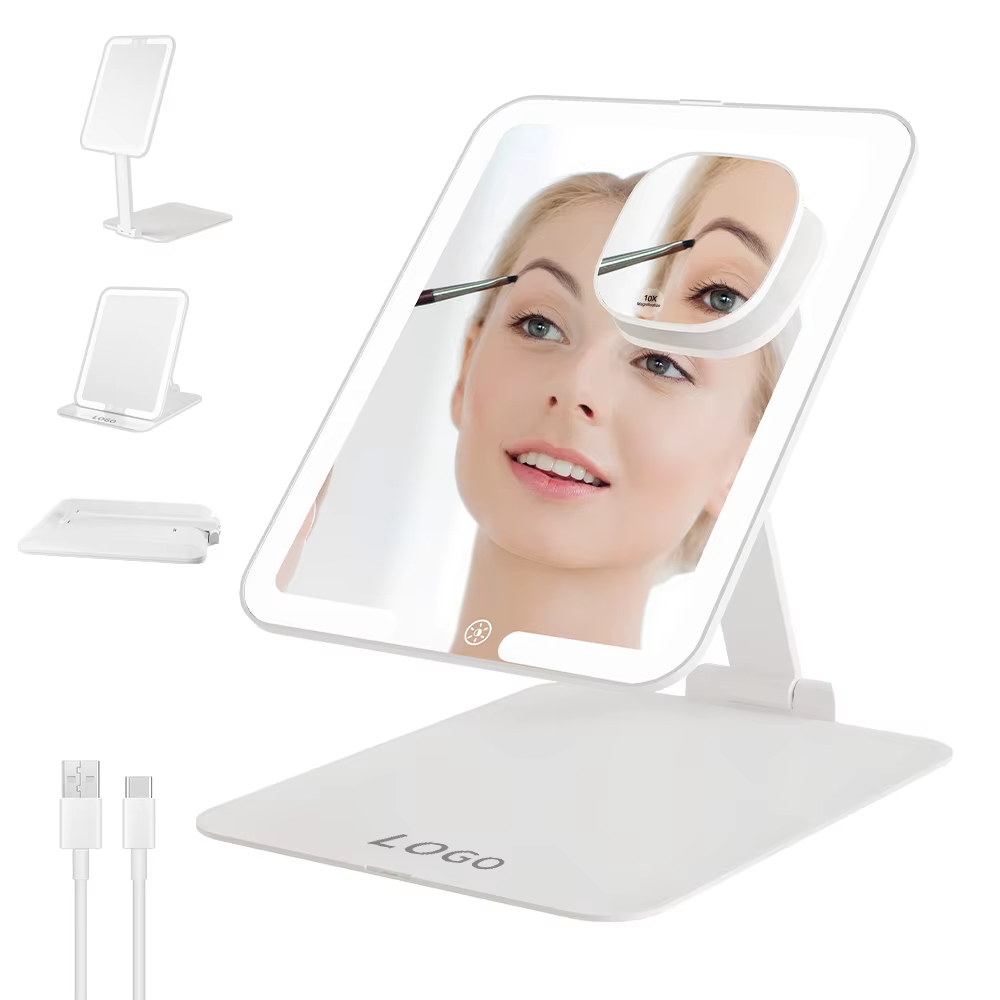
Why Anti-Fog LED Mirrors Are Essential for Hospitality Guest Experience and Operations
Fog-Free Clarity as a Silent Differentiator in Premium Guest Satisfaction
Fog free mirrors are becoming a game changer in upscale hotels, turning those frustrating post shower moments into something actually enjoyable. No more wiping glass or waiting around for it to clear up, which might seem small but makes a big difference according to many guests who stay at luxury properties. According to research from the 2023 Hospitality Design Institute benchmark report looking at three star plus hotels across the country, places that installed these anti fog systems saw their complaints about mirror fog drop by almost 92 percent. That means better overall impressions for visitors and actually helps keep people coming back again and again.
Operational Challenges: Managing Humidity, High Turnover, and Maintenance Across Hotels and Cruise Ships
Moisture heavy areas like cruise ships and beachfront properties really take a toll on regular mirrors over time. Plus when rooms get turned over quickly between guests, keeping those mirrors looking good becomes a real challenge for housekeeping staff. Standard glass mirrors need constant wiping down just to combat stubborn water marks and mineral deposits left behind after showers. According to some industry insiders in hospitality management, this extra work can drive up cleaning expenses anywhere from 25% to 35%. The good news is that anti fog LED mirrors tackle all these problems with their special design that includes three main advantages worth mentioning:
- Hydrophilic coatings that repel moisture between deep cleans
- Sealed LED units engineered for humidity resistance
- 50,000-hour lifespans that drastically reduce replacement frequency
For large-scale operations servicing 200+ rooms daily, even minor time savings per room compound significantly—translating to $740k in annual labor savings (Ponemon 2023).
How Anti-Fog Technology Works in Commercial-Grade LED Mirrors
Heated Element vs. Hydrophilic Coating: Performance, Lifespan, and Real-World Reliability in Hospitality Settings
Most commercial anti-fog LED mirrors work with either built-in heating components or special hydrophilic coatings. The heating approach involves transparent conductive materials that keep the glass surface about 2 to 3 degrees warmer than the surrounding air's dew point, stopping condensation from forming in the first place. These systems usually consume around 30 to 50 watts of power and clear fog almost immediately, which makes them particularly useful in busy hotel restrooms where quick access matters. On the other hand, hydrophilic options apply microscopic layers of silicon dioxide and titanium dioxide that spread water droplets out into a thin, invisible film across the surface without needing any electrical input. Maintenance requirements are generally low for these coatings, but their lifespan can vary quite a bit depending on usage conditions. Heated elements tend to hold up well for over seven years even in tough environments like hotels and resorts, while frequent scrubbing with harsh cleaners tends to wear down those hydrophilic coatings much faster. Although the initial investment for heated mirrors is definitely higher, many businesses find this worthwhile since it completely removes the need for constant manual wiping, something that becomes extremely valuable for cruise ships operating under strict time constraints between ports.
Validated Results: 92% Reduction in Fog Incidents in 3-Star+ Hotels Using Integrated Anti-Fog Systems (2023 HDI Benchmark)
According to the 2023 HDI Benchmark research which looked at more than 200 hotels rated three stars or better, there was nearly a 92 percent drop in complaints about bathroom mirrors getting foggy once they installed these special heated anti-fog mirrors. Hotel managers found their maintenance teams spending about 15% fewer hours each month on mirror defogging chores, so workers could concentrate on other important things instead. Things look different for cruise ships though. Those boats that rely on hydrophilic coatings for their mirrors only saw around 63% less fog issues, mostly because salt water eats away at those protective films over time. No wonder then that most serious hospitality businesses still go with heated mirror tech when they need something that just plain works every single time without fail.
LED Mirror Advantages Beyond Fog Prevention: Energy Efficiency, Safety, and Brand Alignment
Lower Energy Consumption and Longer Lifespan vs. Traditional Lighting + Mirror Setups
Switching to LED mirrors can slash energy consumption by around 80% when compared to old fashioned incandescent vanity lights, which means big money savings especially in hotels where mirrors get used all day every day. These mirrors last about 50,000 hours total, which is way longer than regular bulbs at just 2,000 hours. That kind of longevity cuts down on those annoying maintenance interruptions right when guests are checking in or out. Take a hotel with 200 rooms for example. Installing LED mirrors there would cut annual electricity usage by somewhere near 18,000 kilowatt hours according to ENERGY STAR stats from 2023, translating to about $2,700 saved on power bills each year. Plus, the reduced need for changing bulbs makes things safer too since nobody has to mess around with lighting fixtures in damp bathroom areas anymore.
Ergonomic Illumination and Seamless Integration That Reinforce Premium Brand Identity
LED lights without shadows provide consistent illumination with a CRI rating over 90, which makes all the difference when someone needs to groom precisely or simply wants better visibility while getting ready each day. These thin profile lights fit right into contemporary bathroom designs, swapping out those clunky old vanity lights for something sleeker and more upscale looking. Add on dependable anti fog features too, and suddenly there's a real connection between what guests see and how they feel about the place they're staying at. According to recent surveys from hospitality design experts in 2023, around 8 out of 10 luxury hotel patrons link things like fog free mirrors with top tier accommodations. The ability to adjust color temps from warm 2700K to cool 5000K means hotels can set different moods throughout their spaces, creating experiences that stick with guests long after they leave the front desk area.
Key Procurement Criteria for Hospitality Buyers: Compliance, Scalability, and Service Support
Mandatory Certifications: UL 1598, IP44, and CE Compliance for Multi-Unit Installations
When choosing commercial quality anti fog mirrors, proper certification checks are absolutely essential. The UL 1598 standard keeps things safe electrically in damp areas, which really matters because those heating elements tend to fail when exposed to steam repeatedly over time. Mirrors with IP44 ratings stand up better to splashing water during frequent cleanings, and the CE mark means they'll work just fine across borders and even on cruise ships. According to some research from last year, places that skip these important certifications end up dealing with equipment failures at around 37% higher rate within just 18 months. So when planning installations across multiple locations, it makes total sense for purchasing teams to demand all these standards be met before making any commitments.
- Unified certification documentation across all units
- Factory-audited test reports—not self-certified claims
- Waterproof junction boxes meeting local building codes
Explicit reference to UL 1598, IP44, and CE in spec sheets prevents costly retrofits and installation delays during renovations of 100+ room deployments.
FAQ Section
What are anti-fog LED mirrors?
Anti-fog LED mirrors are mirrors equipped with technology to prevent fogging, often through heated elements or hydrophilic coatings.
How do heated elements work to prevent mirror fogging?
Heated elements keep the mirror surface slightly warmer than the air's dew point, preventing condensation from forming.
Do anti-fog mirrors require maintenance?
Maintenance is minimal but varies depending on the type, with heated elements generally having longer lifespans than hydrophilic coatings.
Are anti-fog mirrors cost-effective for hotels?
Yes, they reduce complaints, cleaning costs, and energy consumption, making them cost-effective in the long term.
What certifications should I look for in commercial-grade mirrors?
Look for UL 1598, IP44, and CE compliance for safety and international usability.
Table of Contents
- Why Anti-Fog LED Mirrors Are Essential for Hospitality Guest Experience and Operations
- How Anti-Fog Technology Works in Commercial-Grade LED Mirrors
- LED Mirror Advantages Beyond Fog Prevention: Energy Efficiency, Safety, and Brand Alignment
- Key Procurement Criteria for Hospitality Buyers: Compliance, Scalability, and Service Support
- FAQ Section