
 EN
EN

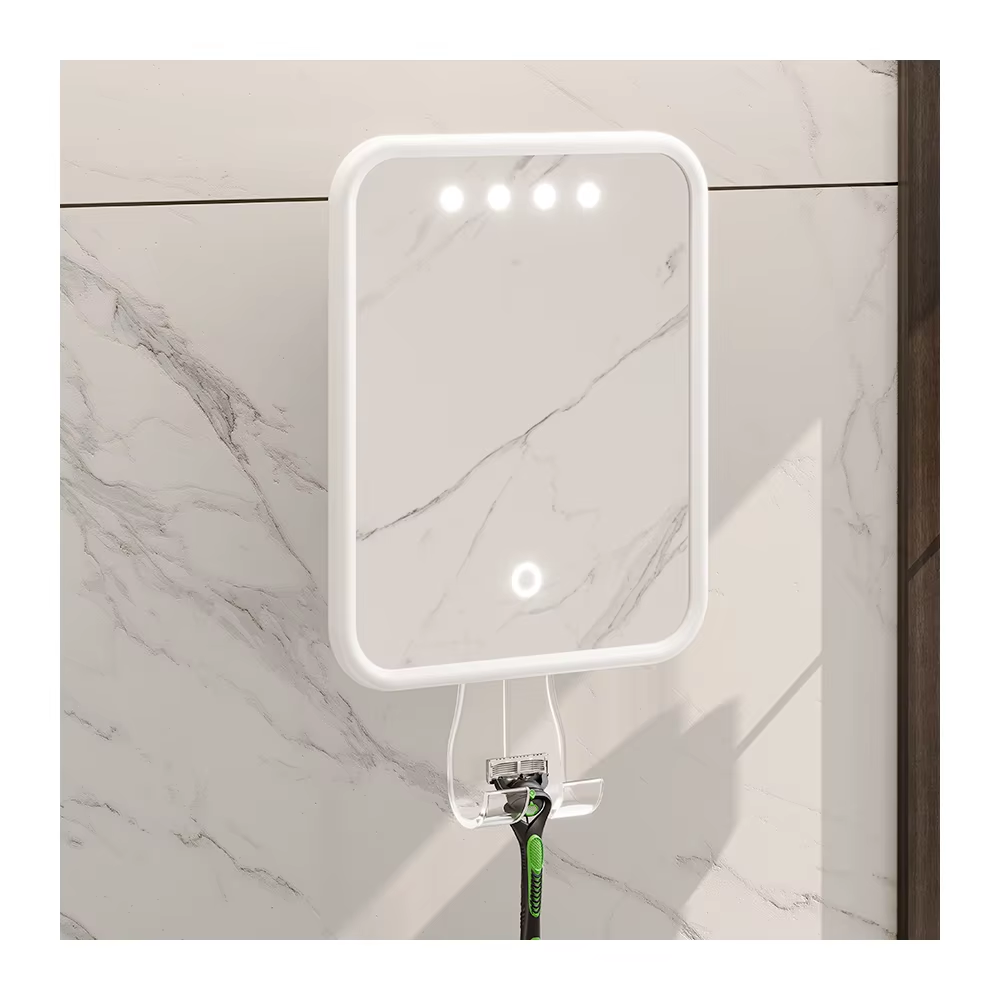
How Anti-Fog Technology Works in LED Bathroom Mirrors
Heating Pad vs. Low-Voltage Defogging: Mechanisms and Safety
Most LED bathroom mirrors today fight fog in one of two ways: either through heating pads or low-voltage systems. The heating pad method works by placing thermal elements right behind the mirror glass, keeping things warm enough (typically 3 to 5 degrees Fahrenheit above room humidity) so moisture doesn't settle there. These systems run off regular household electricity at 120 volts, which means installers need to follow specific safety rules like GFCI protection and proper damp location installation according to NEC codes. On the flip side, low voltage defoggers work differently. They usually employ conductive coatings or tiny heating grids that spread warmth evenly across the surface. The big advantage here is safety - these 12 to 24 volt systems consume less power and pose significantly fewer shock risks. According to recent tests from the Electrical Safety Foundation (2023), low voltage options cut down on electrical dangers by around 72% when compared to traditional heating pads. There are several other important differences worth noting too:
| Feature | Heating Pad Method | Low-Voltage Method |
|---|---|---|
| Power Source | 120V household current | 12–24V transformer |
| Installation | Requires professional wiring | Plug-and-play compatible |
| Safety | Needs GFCI + IP44 rating | Inherently low-risk |
Both methods deliver effective fog prevention—but low-voltage options offer safer, simpler retrofitting for existing bathrooms.
Why Temperature Differential Drives Condensation—and How Mirrors Counter It
When warm, moist air meets something cool, it creates condensation as water vapor turns into those tiny droplets we see as fog. Think about bathroom mirrors during showers - they're usually around 15 to maybe 20 degrees Fahrenheit colder than the steam coming off our skin after a hot shower. That's why mirrors get so fogged up so fast. Anti-fog mirrors fight back against this problem in two main ways. First there are heating elements that basically keep the glass warmer so no condensation can form in the first place. Second option involves special coatings applied to the glass surface. These coatings actually pull in moisture and spread it out really thin across the whole mirror surface instead of letting it form those annoying droplets. The result? Mirrors clear up much faster now taking only about half a minute instead of waiting eight or ten whole minutes like before. Good quality systems work great even when humidity stays high at around 90% inside bathrooms, which means people don't need to wipe their mirrors anymore after getting out of the shower.
Critical Features That Ensure Reliable Anti-Fog Performance
IP44+ Rating, GFCI Protection, and Damp-Location Compliance for Safety
Getting good anti-fog action from those LED mirrors in bathrooms really comes down to three main safety things working together properly. First up is the IP44+ rating according to IEC 60529 standards. This basically means the mirror can handle splashes and keep dust out, which stops short circuits when there's lots of moisture around. For bathrooms where steam builds up fast, look for IP65 ratings instead since these offer complete protection against water jets. Then there's GFCI protection required by NEC Article 422 in wet areas. When something goes wrong with electricity, this system shuts off power super quick, cutting down shock risks by about 85-90% as per Electrical Safety Foundation data from last year. Lastly, damp location compliance under UL 962 makes sure all the inner parts won't corrode or fail after being exposed to constant humidity over time. Mirrors missing even one of these key protections might stop working early, lose their fog fighting abilities, or worse yet create dangerous situations. Always check these specs carefully before buying anything for installation in moist environments.
| Feature | Purpose | Certification Standard |
|---|---|---|
| IP44+ Rating | Blocks water/dust ingress | IEC 60529 |
| GFCI Protection | Prevents electrocution | NEC Article 422 |
| Damp-Location Compliance | Ensures humidity resilience | UL 962 |
Together, these standards form a non-negotiable safety triad—ensuring long-term anti-fog reliability in moisture-prone spaces.
What to Prioritize When Choosing a Bathroom Mirror with LED Light and Anti-Fog
Response Time, Energy Efficiency, and Smart Activation (Motion/Timer)
When shopping for a bathroom mirror with built-in LED lights, there are really three main things worth paying attention to: how fast it clears fog, how much power it eats up, and whether it knows when to turn on without needing anyone to press buttons. The speed at which these mirrors get rid of steam after a hot shower makes all the difference. Good quality models with decent heating elements can usually clear up within about 30 seconds or so, which means no more waiting around for streak free glass. Speaking of power consumption, this actually affects two different areas. Environmentally speaking, those fancy LED bulbs only need around 15 watts max compared to old fashioned bulbs that guzzle 60 watts. According to some numbers from the US Department of Energy back in 2023, this switch could cut down yearly electricity bills by as much as 80%. That's why checking for the ENERGY STAR label remains important for anyone wanting to make sure they're getting what they pay for. And then there's the whole convenience factor too. Most modern mirrors now come equipped with either motion detectors or timers that kick in based on humidity levels. These features mean the mirror starts working automatically whenever someone needs it, without having to fiddle with switches. A good mirror should combine quick defogging action, genuine energy savings, and automatic operation to provide hassle free mornings and evenings when rushing between appointments.
Top-Rated Bathroom Mirror with LED Light Models Featuring Verified Anti-Fog
The best bathroom mirrors with built-in LED lights usually come with some sort of anti-fog system. Most high quality ones either have those fancy heating pads underneath or special coatings that help prevent fog buildup. Labs have actually tested these things, and the really good models can clear up completely within 30 seconds or so, even if someone has been taking a long hot shower. Safety matters too. Look for mirrors rated at least IP44, which means they're protected against splashing water. They should also have GFCI protection inside them to meet those electrical codes for wet areas. People who own these mirrors report using around 25 watts or less when both the light and defogger are running together. That's pretty efficient considering how much power some bathroom appliances consume. Premium models often include smart stuff like motion sensors that turn everything on automatically as you approach, or timers that keep the mirror clear while getting dressed. When shopping around, don't just take manufacturer claims at face value. Check for independent testing results showing actual defogging times and proper safety certifications instead of relying solely on flashy advertising promises.
FAQ
What are the main differences between heating pad and low-voltage systems for anti-fog mirrors?
Heating pad systems use 120V household current and require professional wiring, whereas low-voltage systems use 12–24V transformers and are plug-and-play compatible, offering inherently low-risk safety.
What does an IP44+ rating mean for bathroom mirrors?
An IP44+ rating ensures the mirror can handle splashes and keep dust out, preventing short circuits and protecting against water jets in moisture-prone areas.
Why is GFCI protection important in bathroom mirrors?
GFCI protection is crucial as it prevents electrocution by shutting off power quickly when something goes wrong with the electricity, especially in wet areas.