
 EN
EN

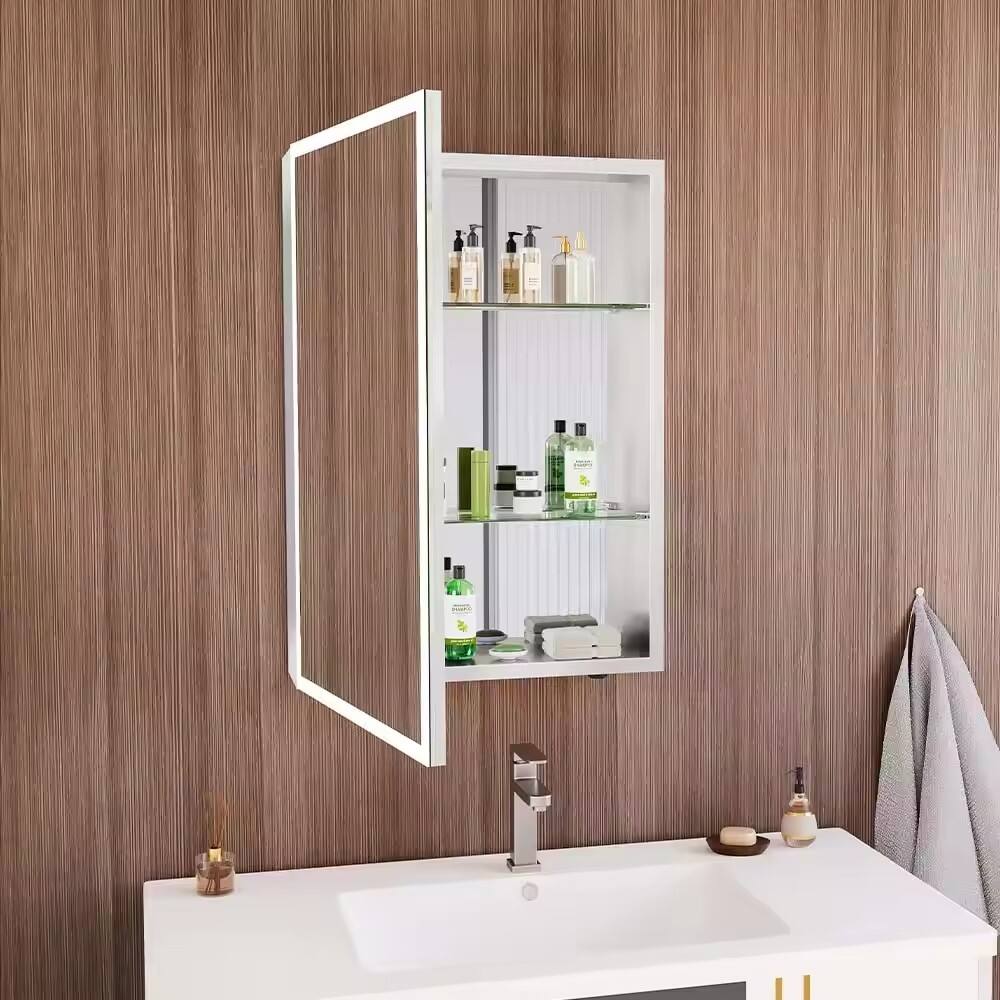
Organic Shapes and Sculptural Forms in Bathroom Mirror and Cabinet Design
Arched, Wavy, and Asymmetrical Profiles as Signature 2025 Bathroom Mirror and Cabinet Silhouettes
Bathroom design is getting a major facelift thanks to those organic shapes we're seeing everywhere now. According to recent surveys, around two thirds of interior designers have started incorporating curved and irregularly shaped mirrors as central elements in their 2025 projects. Think arches that make harsh corners look friendlier, waves along mirror edges that create movement in otherwise static spaces, and creative combinations like oval mirrors placed next to sharp-edged cabinetry that somehow works better than it should. These artistic forms turn ordinary fixtures into statement pieces, particularly striking in modern minimalist bathrooms where they become the go-to element for adding texture and visual interest without cluttering up the space.
Balancing Aesthetics and Ergonomics: Scale, Placement, and Accessibility Considerations
The wild shapes we love need to work well for people too. When creating these designs, designers focus on making things actually usable. Take those big organic mirrors that are at least 36 inches wide they still let people see themselves clearly even though they curve. The bottom of the mirror should sit no higher than 40 inches off the ground according to ADA standards. Storage solutions also matter a lot. Those asymmetrical cabinets place what people need most right where their hands can easily reach within about 20 inches. According to some research from the NKBA last year, around 42% of home buyers specifically look for accessible features when shopping for stylish bathroom fixtures. This shows that beautiful design doesn't have to sacrifice practicality. Just think about those wavy cabinets with the indented middle part. That indentation isn't just decorative it actually works great as a handle for folks who find regular grips difficult because of hand limitations or arthritis.
Smart Technology Integration in Bathroom Mirror and Cabinet Systems
LED Backlighting, Anti-Fog Coatings, and Touchless Controls for Enhanced Daily Utility
Bathroom mirrors and cabinets today come packed with tech that actually makes morning routines better, not just look fancier. The LED lights behind these mirrors give great lighting for shaving or applying makeup without those annoying shadows. Plus they eat way less electricity too—around three quarters less than old fashioned bulbs. Many models now have anti fog coatings that heat up slightly to stop mirrors from getting all steamed up after showers. Homeowners living in places where it gets really damp seem to love this feature, with nearly two thirds saying it matters a lot to them. Motion sensors let people turn lights on and off without touching anything, which is good for keeping things clean and easier for folks with mobility issues. All these smart additions really shine (pun intended) in small city bathrooms where every inch counts. Good design means we don't have to sacrifice looks just because space is tight.
Beyond Lighting: USB-C Charging, App-Connected Presets, and Integrated Magnification
Smart mirrors today do much more than reflect. They come with built-in USB-C ports that can charge electric toothbrushes and shavers right there on the wall, so no more messy countertops full of charging cords. Many models connect to apps through Wi-Fi or Bluetooth, letting users set different lighting scenes for their morning routine or when they want to unwind after a long day in the bath. Some even have hidden magnifying panels that pop out from the mirror surface for closer looks during shaving or makeup application. These panels help folks who struggle with poor eyesight something that affects about half of people over 40 according to various studies. All these features transform what was once just another room in the house into something much more functional and pleasant a place where technology meets everyday needs without feeling intrusive or gimmicky.
Energy savings data: U.S. Department of Energy 2023; User preference stats: NKBA Bathroom Trends Report 2024
Material and Finish Evolution: Frameless Minimalism Meets Intentional Framing
Looking at what's happening with materials in 2025 shows something interesting: frameless designs are still big, but so are those with actual frames, and they're not really fighting each other anymore. Thin aluminum frames or glass edges that have been polished just right create these clean reflections without getting in the way, which works great in small bathroom spaces where every inch counts. On the flip side, when designers choose wood or metal frames that aren't too big or too small, they bring in some real warmth and lasting quality to the room. These kinds of frames also support old school craftsmanship techniques while making a strong design statement. What matters most is that whether someone picks frameless or framed options, sustainability remains important throughout the process. The way things fit together ergonomically ensures that looking good doesn't mean sacrificing comfort over time, and nobody wants their bathroom renovation to feel fancy but uncomfortable after a few months.
Seamless Storage Solutions: Mirror-Fronted Cabinets and Recessed Bathroom Mirror and Cabinet Installations
Floating Vanities, Depth Optimization, and Visual Lightness Through Unified Mirror and Cabinet Design
When storage is lifted off the floor, floating vanities really help people perceive space better and get around easier. Cleaning becomes simpler and there's more room for legs underneath. Those cabinets with mirrors built into them actually create more depth because they fit right into the walls. They can hide about four to six inches worth of stuff without sticking out into the bathroom space. What makes these designs so good is how they combine reflections with hidden storage all in one smooth surface. No more seeing hardware or frames breaking up the look. Bathrooms smaller than 100 square feet benefit a lot from this approach since it makes the whole area feel bigger. Putting mirrors in smart spots helps too. The light bounces around, making dark corners brighter and shrinking the feeling of cramped spaces. Plus everything still meets ADA requirements for accessibility while keeping everyday items neatly tucked away in an elegant way.
FAQ
What are the benefits of using organic shapes in bathroom design?
Organic shapes in bathroom design add texture and visual interest without cluttering the space. They help soften harsh corners and create dynamic movement within static environments.
How does smart technology in bathroom mirrors enhance daily routines?
Smart technology in bathroom mirrors enhances daily routines by providing better lighting with LED illumination, anti-fog coatings to prevent steam build-up, and motion sensors for touchless control.
What makes frameless designs popular in bathrooms?
Frameless designs are popular because they provide clean reflections and optimize small bathroom spaces without intruding, while adding warmth and quality through material choices.
How do floating vanities improve bathroom space perception?
Floating vanities help improve bathroom space perception by reducing floor clutter, simplifying cleaning, and providing extra room beneath for movement.
Table of Contents
- Organic Shapes and Sculptural Forms in Bathroom Mirror and Cabinet Design
- Smart Technology Integration in Bathroom Mirror and Cabinet Systems
- Material and Finish Evolution: Frameless Minimalism Meets Intentional Framing
- Seamless Storage Solutions: Mirror-Fronted Cabinets and Recessed Bathroom Mirror and Cabinet Installations
- FAQ