
 EN
EN

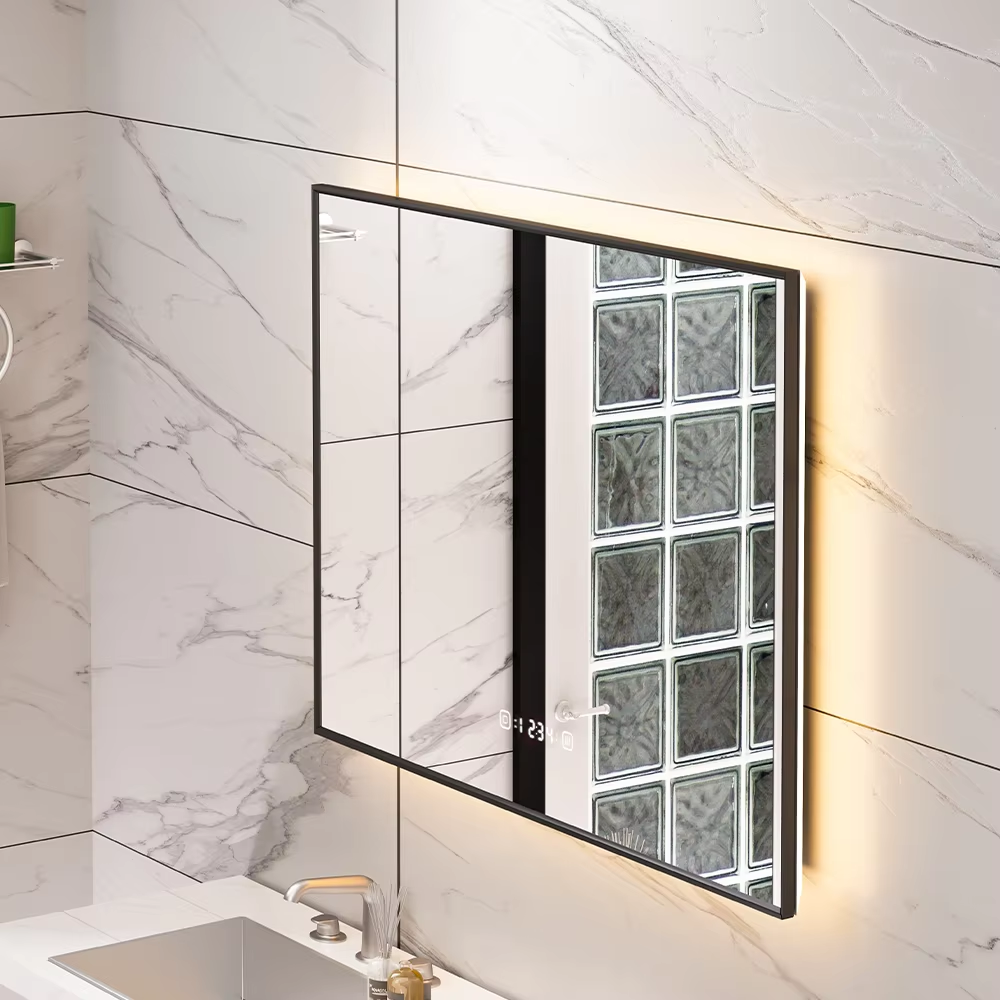
Real-Time Contextual Information Display
Why static displays undermine smart mirror utility
Smart mirrors that just show static displays miss the whole point of what makes them special. These devices are supposed to provide personalized info based on what matters to each person at any given moment. But when they stick to fixed content, they completely ignore factors like what time it is, current weather conditions, or someone's daily habits. Take for instance when a mirror shows traffic updates for morning commutes in the evening. That kind of mismatch between what's displayed and actual needs causes confusion and makes people lose faith in the technology. Retail stores face similar issues too. Static ads don't account for whether items are actually in stock or how busy the store happens to be at that moment, so potential sales get lost. At heart, smart mirrors should deliver timely, relevant information tailored to individual situations. When they fail to do this because of unchanging content, customers stop using them altogether, which means all the investment goes down the drain.
How AI-driven data fusion powers adaptive dashboards
When it comes to AI-powered data fusion, what we're really talking about is combining all sorts of live data streams like weather updates from APIs, calendar events, road sensor info, and even heart rate monitors into one smart dashboard. The machine learning behind this system knows what matters most at different times of day. For instance, someone getting ready for work might see traffic warnings and meeting times pop up in the morning, while after office hours the same screen could show workout stats and health metrics. All this happens pretty fast too thanks to edge computing tech that keeps response times under half a second. Over months and years, these predictive features get better at showing what each person actually needs because they learn from daily habits. What makes this setup special compared to regular displays? It doesn't just show information; it starts anticipating needs before they become problems.
AI-Powered Sensing and Health Analytics
Facial recognition, motion sensing, and passive biometrics in commercial smart mirrors
Smart mirrors today come equipped with sensors that quietly gather health information without needing anyone to do anything special. They have infrared tech that spots changes in skin color to figure out heart rate variations, while 3D sensors watch how someone's chest moves to track breathing patterns. When someone looks at the mirror, facial recognition kicks in so it knows who they are and adjusts their health data baseline automatically. These mirrors can respond to hand gestures too, which makes them really handy in places like hospitals or stores where touching surfaces might spread germs. Special optical components keep tabs on skin temperature and even pick up tiny facial expressions throughout normal daily activities. All this happens behind the scenes, creating individual health profiles over time without making people feel uncomfortable or intrusive.
Multi-sensor architecture enabling sub-500ms response and clinical-grade skin analysis
Smart mirrors that perform at high levels come equipped with special sensors for medical quality diagnostics. These advanced devices use hyperspectral cameras to look at how skin reflects light across twelve different wavelengths, helping determine things like hydration levels, signs of inflammation, and melanin content. When combined with machine learning algorithms, such systems can spot vascular issues and hidden skin problems with around 94% accuracy according to clinical tests. The mirror's processing unit quickly combines information from thermal sensors, polarized light detectors, and other spectral equipment within less than half a second, so users get immediate feedback while taking care of their skin. Thermal imaging helps find unusual blood flow patterns, while polarized light shows changes in skin texture that might not be obvious to the naked eye. All these technologies working together turn ordinary bathroom mirrors into early warning systems for skin health issues, catching potential problems long before they become noticeable.
AR Virtual Try-On and Seamless Omnichannel Commerce
Impact of embedded AR on beauty and apparel retail conversion
Virtual try-on through augmented reality is changing how people shop for beauty products and clothes. When smart mirrors let customers see what glasses look like on their face, test different lipstick colors, or preview outfits without changing clothes, they tend to buy things right away instead of hesitating. These mirrors cut down on those annoying size questions that lead to so many online returns. According to Shopify's numbers, stores with AR tech get about 94% more sales than regular display setups. People who try stuff out virtually are also around 41% more likely to actually make a purchase because they know better if something fits or matches their skin tone. And interestingly enough, nearly three quarters of shoppers want to visit stores that have this kind of tech available. That means more people walking through the doors, spending more time inside, and coming back again later too.
Edge-optimized rendering for photorealistic, lighting-adaptive try-on
Getting photorealistic augmented reality try-ons right requires handling all sorts of tricky visual stuff in real time. That's why smart mirrors rely on edge computing power right at the device itself. These systems process facial maps, figure out ambient lighting levels, and calculate how materials reflect light locally rather than waiting for responses from distant servers. The result? Rendering times stay below 500 milliseconds while keeping everything synced up with how people actually move around. The software behind these mirrors is pretty advanced too. It constantly tweaks virtual products so they look just right against whatever lighting conditions exist in the room. No more seeing those annoying floating objects that don't quite fit into the environment. When someone tries on digital clothes, the fabric folds and wrinkles exactly like real fabric would during normal movements. Makeup colors stay true even when store lights change throughout the day. All this attention to detail matters because customers start trusting what they see. Instead of feeling like some gimmicky tech demo, these mirrors become actual shopping helpers that connect what shoppers find online with their in-person experiences trying things out.
Hardware-Driven UX Reliability: Touchless Interaction and Display Performance
The reliability of hardware is what really makes smart mirrors work properly, building user confidence when they interact with touchless features and see clear displays. People love gesture control and voice commands especially in busy places, since most folks want no contact at all after touching things. The survey says around 89% prefer this hands-off approach. For commercial use, displays need pretty strong specs too. They should handle at least 500 nits brightness and have good contrast ratios over 5000 to stay visible whether it's sunny outside or someone turned down the lights in a fitting room. Those industrial grade connections matter too. IP65 rated HDMI ports and USB-C cables help keep signals stable. Plus proper heat management and panels that can take knocks are essential for keeping mirrors running non-stop day after day. And don't forget about flickering screens either. Research shows if a screen flickers more than 2%, people tend to walk away 34% more often according to Digital Signage Federation data from last year. All these hardware basics allow smart mirrors to deliver information seamlessly and render augmented reality content effectively, transforming them from just another gadget into something truly important for businesses relying on them daily.
FAQ
What are smart mirrors mainly used for?
Smart mirrors are primarily used to provide personalized information, health analytics, and augmented reality features for ease in shopping, all while maintaining interactive touchless functionality.
How does augmented reality in smart mirrors benefit retail?
Augmented reality helps customers visually try on products or outfits, enhancing conversion rates and reducing the need for physical try-ons or returns.
Why is hardware reliability crucial for smart mirrors?
Hardware reliability ensures seamless interaction with touchless features, maintains clear display even in varying light conditions, and supports continuous operation in commercial environments.