
 EN
EN

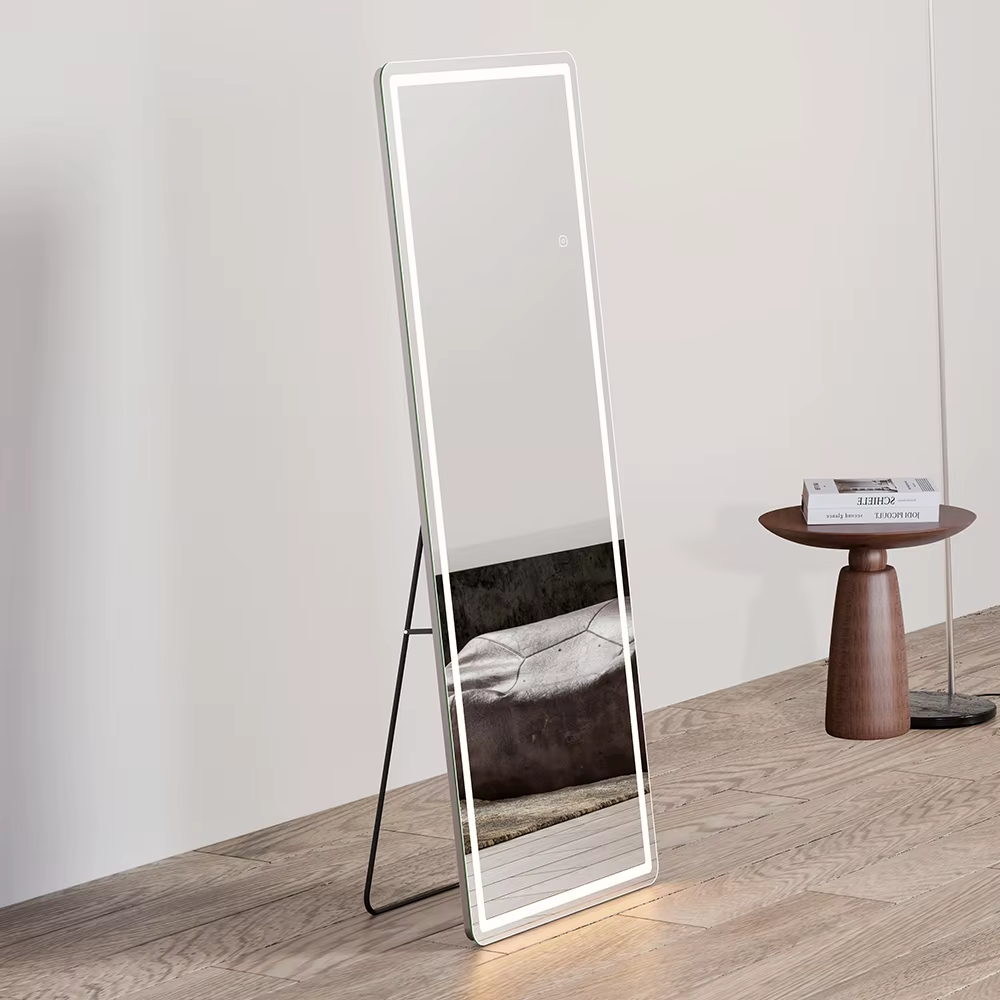
Key Selection Criteria for the Best Dressing Mirror
Size, Proportion, and Scale Relative to Bedroom Layout and Furniture
When picking out a dressing mirror, start by thinking about how it fits into the room. The mirror should be roughly similar in width to major pieces like dressers which usually run between 35 to 70 inches across. Don't forget about practical space needs either. Leave around 18 to 24 inches behind the mirror so drawers can open properly, and make sure there's at least 36 inches of space in front for people to move around comfortably. Big mirrors can make small bedrooms feel even smaller, while tiny mirrors just don't work well for getting ready. Before deciding on size, take some time to look at the actual wall space where it will go, considering what other furniture is already there and how people typically walk through the area.
Balancing Aesthetic Appeal with Ergonomic Functionality
The best dressing mirror merges visual impact with daily usability. A carved wood frame may suit traditional decor but demands more cleaning, while a frameless design offers modern simplicity yet less visual definition. Prioritize three ergonomic essentials:
- Eye-level placement: Top edge positioned 5—7 feet from the floor to support natural posture
- Optical clarity: Non-distorting, high-silvered glass for accurate reflection
- Practical weight: Lightweight construction if you plan to reposition it regularly
Let your maintenance habits guide stylistic trade-offs—ornate details versus wipe-clean surfaces—and choose a mirror that reflects both your aesthetic and your routine.
Dressing Mirror Shape, Frame, and Finish for Cohesive Bedroom Styling
Shape Impact: Round, Arched, Square, and Organic Forms Across Design Styles
The shape of a mirror really affects how a bedroom looks overall. Round or arched frames tend to make modern spaces feel less harsh while bringing a touch of old world charm to more traditional settings. Square mirrors work great for those wanting something clean and simple, especially when placed above sleek bathroom counters. On the flip side, mirrors with odd shapes or curves become statement pieces in rooms with lots of different styles mixed together. Interior designers know this trick well. Putting an arch shaped mirror over a straight edged dresser creates interesting visual balance. Similarly, hanging round mirrors in corners where there are lots of sharp angles helps everything look better proportioned. The best part? These combinations create interesting spaces that still feel put together rather than matching every single element exactly.
Frame Materials and Finishes — Brass, Matte Black, Wood, and Their Visual Weight
The type of frame we choose really affects how a mirror fits into the overall look of a room. Brass frames bring that fancy, glamorous vibe perfect for spaces with Hollywood Regency or Art Deco flair. On the flip side, matte black frames work great in modern industrial settings where they add a touch of understated elegance without shouting too loud. Wood frames are super versatile though. Light oak stains make rooms feel airy and open, especially good for those Scandinavian style spaces. Walnut frames on the other hand bring warmth and depth to transitional or rustic decor styles. When thinking about size matters, thin metal frames keep things looking light above small vanities. But if we have a big mirror, going with thicker wooden frames helps balance it out visually. To tie everything together, matching frame colors with existing hardware like drawer pulls or wall sconces works well. Sometimes though, creating contrast can be better. Think matte black frames paired with brass fixtures for instance, which adds interesting layers and depth to the space.
Optimal Placement and Ergonomics for Daily Dressing Mirror Use
Height, Viewing Angle, and Clearance for Makeup, Hair, and Outfit Checks
Ergonomic placement prevents fatigue and enhances functionality. Center the mirror at eye level—approximately 150—165 cm (5—5.5 ft) from the floor—for seated or standing use. When applying makeup, maintain a 40—50 cm (16—20 in) distance between your eyes and the mirror surface to avoid distortion while capturing detail.
Position the mirror perpendicular to natural light sources whenever possible: research shows this 90-degree orientation reduces facial shadows by up to 70% compared to backlighting. Maintain clear surrounding space using these guidelines:
| Space Requirement | Minimum | Ideal | Purpose |
|---|---|---|---|
| Width | 80 cm | 120 cm | Cosmetics organization |
| Depth | 40 cm | 50 cm | Prevent close-proximity distortion |
| Seating Zone | 60 cm | 75 cm | Unobstructed movement |
| Mirror Height | 50 cm | 70 cm | Full upper-body visibility |
Leave 45 cm of clearance on each side to accommodate arm movement during hairstyling or outfit adjustments—and to make room for accessories like jewelry trays or integrated lighting.
Wall-Mounted vs. Freestanding Dressing Mirrors: Space-Smart Solutions
Mounting mirrors on walls saves precious floor area and keeps them securely in place next to windows or bathroom areas, which makes sense for small bedrooms or apartments where every inch counts. The catch? These need proper mounting into studs and aren't something you can just take down and move around later. Standing mirrors give more freedom though. They let people shift them around when trying on clothes, accommodate guests, or rearrange things with the seasons changing. But watch out for those heavy bases needing enough room underneath them. In really tiny spaces (say under 100 square feet), these free standing ones tend to look overwhelming. If several people will be using the mirror regularly, look for ones that can adjust up and down. Ultimately it comes down to whether someone wants something fixed in place forever or needs something that can be relocated as needed, keeping in mind how much floor space versus wall strength matters most.
Lighting Integration for Enhanced Functionality and Ambience
LED, Hollywood-Style, and Natural Light Strategies for Shadow-Free Grooming
The right lighting can turn a simple dressing mirror into something much more useful than just decoration. Putting LED strips around the edges gives good energy saving lights that show colors accurately, making them great for getting ready each day or doing肌肤 work on skin. Those Hollywood style bulbs placed all around create even lighting across the face so there are no shadows when applying makeup or taking care of skin. To get the best results, place the mirror at an angle facing away from windows. This setup lets in natural light which helps see real colors without causing annoying reflections.
A layered lighting strategy delivers both precision and atmosphere: dimmable LEDs adjust intensity for task focus or ambient mood-setting, while directional fixtures reduce eye strain. This synergy ensures your mirror supports practical needs—flawless application and outfit coordination—without sacrificing bedroom ambiance.
FAQ Section
What size should a dressing mirror be relative to the furniture in the bedroom?
The mirror should be roughly similar in width to major pieces such as dressers, which generally measure between 35 to 70 inches across. Ensure there is enough practical space—around 18 to 24 inches behind the mirror and at least 36 inches in front for easy movement.
How can I balance aesthetic appeal with ergonomics when choosing a dressing mirror?
Consider a mirror that merges visual impact with usability. Elements such as frame style (e.g., carved wood frames for traditional decor or frameless designs for simplicity) should be weighed against practical features like proper eye-level placement, optical clarity, and weight.
What impact do different mirror shapes have on bedroom styling?
Mirror shapes like round or arched frames can add charm and soften the look of modern spaces, while square mirrors are ideal for a clean aesthetic. Odd shapes or curves can make a statement and create balance within varied style settings.
What are the benefits of wall-mounted vs. freestanding dressing mirrors?
Wall-mounted mirrors save floor space and stay firmly in place, making them ideal for small areas, while freestanding mirrors offer flexibility to relocate based on personal needs and seasonal rearrangements.
How should lighting be integrated with dressing mirrors for optimal functionality?
Incorporate LED strips or Hollywood-style bulbs around the mirror for even, shadow-free lighting. Place mirrors at angles that maximize natural light while avoiding direct reflections for the best color accuracy and ambiance.
Table of Contents
- Key Selection Criteria for the Best Dressing Mirror
- Dressing Mirror Shape, Frame, and Finish for Cohesive Bedroom Styling
- Optimal Placement and Ergonomics for Daily Dressing Mirror Use
- Wall-Mounted vs. Freestanding Dressing Mirrors: Space-Smart Solutions
- Lighting Integration for Enhanced Functionality and Ambience
-
FAQ Section
- What size should a dressing mirror be relative to the furniture in the bedroom?
- How can I balance aesthetic appeal with ergonomics when choosing a dressing mirror?
- What impact do different mirror shapes have on bedroom styling?
- What are the benefits of wall-mounted vs. freestanding dressing mirrors?
- How should lighting be integrated with dressing mirrors for optimal functionality?