
 EN
EN

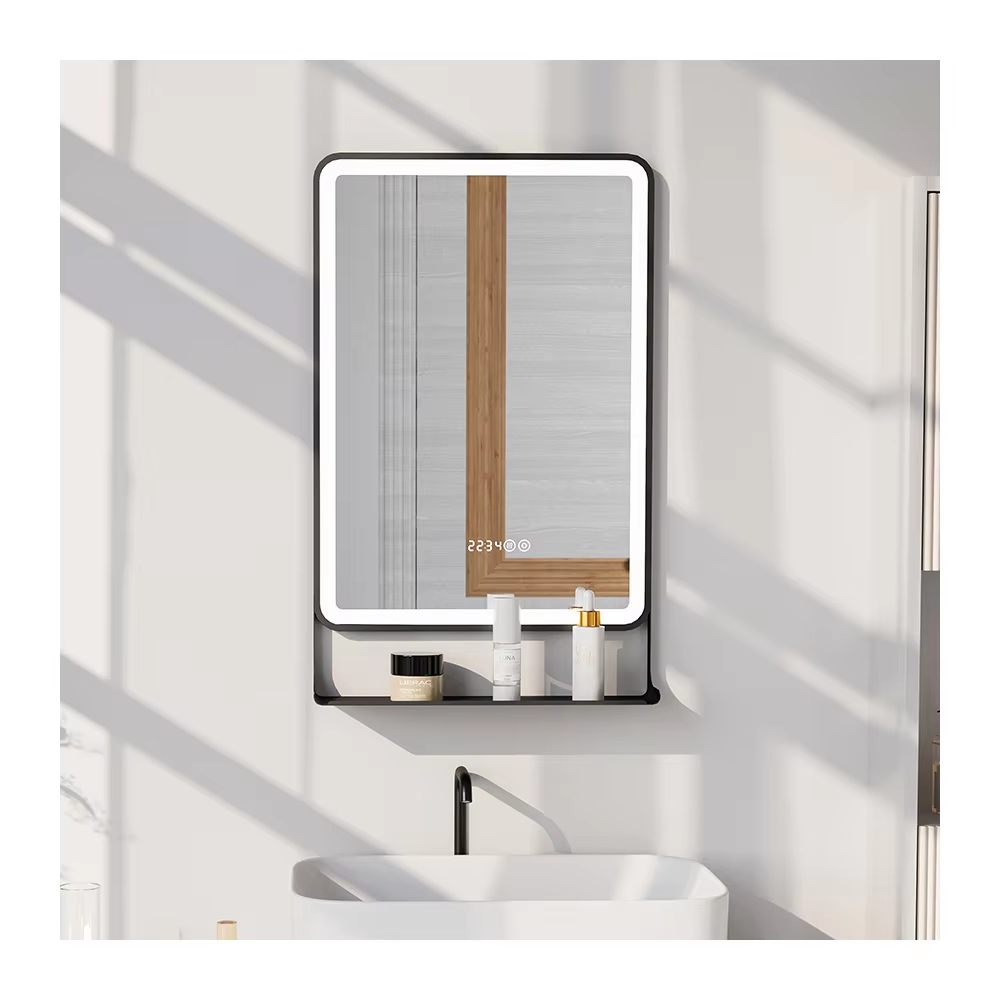
Slim Design: Engineering Portability Without Compromise
Sub-0.5-inch profiles and ergonomic integration into daily carry
Today's compact mirrors manage to get down to less than half an inch thick thanks to careful machining techniques that let them slide right into pockets or handbags without falling apart. These super thin designs cut down on bulk while still holding up well over time something business people really need when they're constantly going from meeting to meeting, traveling for work, or visiting clients all day long. The shapes are also designed so someone can hold them securely in just one hand which makes sense when someone needs to fix their appearance quickly during the day. According to data from the latest Cosmetics Mobility Report released in 2024, around three quarters of regular users actually prefer these slim profile mirrors over bigger ones for carrying around every day. That shows there's definitely a market for items that blend seamlessly into professional life without drawing attention.
Material innovations: Aluminum-magnesium alloys vs. reinforced polycarbonate for lightweight durability
Material science enables the balance between featherweight portability and impact resilience. Leading manufacturers rely on two proven solutions:
| Material | Weight Advantage | Durability Feature |
|---|---|---|
| Aluminum-magnesium alloys | 45% lighter than steel | Corrosion-resistant, rigid frame |
| Reinforced polycarbonate | 30% lighter than glass | Shatterproof, scratch-resistant |
Aluminum-magnesium alloys deliver premium heft ideal for luxury positioning; reinforced polycarbonate excels in high-impact environments like travel kits. Both support reliable sub-200g builds, reducing fatigue during frequent use–and both meet the pocket-friendly form factor prioritized by 68% of corporate travelers (2023 Travel Gear Survey).
Scratch-Resistant Surface: Long-Term Clarity and Hygiene Assurance
Diamond-like carbon (DLC) coatings and tempered glass – hardness, longevity, and cleanability compared
Surface engineering techniques help keep surfaces clear even after constant rubbing and scratching throughout the day. Diamond-like carbon or DLC coatings, which are deposited using plasma methods, reach hardness levels above 2,500 on the Vickers scale. That's actually about three times harder than regular stainless steel. The microscopic carbon layer stands up pretty well against things we encounter daily like keys bouncing around our pockets, loose change, and all sorts of stuff that gets caught in bags when walking through cities. Tempered glass does resist breaking because of how it's heat treated, but it still has problems with tiny scratches from quartz particles often found in urban areas where people walk a lot.
How easy something can be cleaned matters a lot when it comes to keeping things hygienic. The hydrophobic nature of DLC coatings actually stops microbes from sticking to surfaces and makes cleaning up with alcohol wipes super quick. Regular glass surfaces tell a different story though they need constant polishing just to get rid of those annoying smudges. A study from the Journal of Materials Science back in 2023 showed that surfaces coated with DLC had nearly all bacteria gone after cleaning at around 99.9%. That kind of effectiveness really helps out folks who care deeply about maintaining good hygiene standards. From a business standpoint, companies buying these products often get warranty periods lasting five whole years, which is way better than what most manufacturers offer for regular mirrors that typically last only about 18 months before needing replacement.
On-the-Go Usability: How Compact Mirrors Support Real-World Confidence Moments
TSA-Compliant Design and Travel Adoption: Data from Airline Amenity Kits and Urban Professional Routines
Mirrors smaller than 4 inches fit right into TSA carry-on allowances for personal stuff, which means no hassle at security checkpoints something that busy travelers appreciate when flying multiple times a week. Airlines have noticed that around two thirds of their premium amenity kits now include these little mirrors, showing how important looking presentable remains even on cross country flights. Business people in cities are doing the same thing too about three quarters of them actually carry one in their briefcase just so they can check themselves before jumping into another meeting. Weighing less than 3.5 ounces and built tough enough to survive being squashed in luggage, these mirrors stay intact through travel chaos. Plus, those anti-fingerprint coatings help keep things clean while bouncing from train stations to airport lounges. What happens? Those awkward spots between destinations turn into unexpected but useful places to touch up hair or fix a tie, letting professionals maintain that polished look no matter how unpredictable their day gets.
Choosing the Right Compact Mirror: Key Selection Criteria for B2B Buyers
B2B purchasers must evaluate compact mirrors against four non-negotiable criteria: durability, portability, feature alignment, and value engineering.
- Durability: Insist on diamond-like carbon (DLC) coatings or chemically strengthened glass–validated to retain optical clarity after 500+ deployments per standardized abrasion testing.
- Portability: Require sub-0.5-inch thickness and weight under 3 oz (85 g), confirmed through ergonomic transit trials across professional carry scenarios.
- Feature alignment: Match functionality to end-user workflows–e.g., hospitality clients need 10x magnification for precision tasks, while corporate buyers prioritize discreet, TSA-compliant designs.
- Value engineering: Benchmark lifecycle costs against replacement frequency. Units sustaining 3+ years of daily use deliver 27% lower total ownership costs than budget alternatives, according to procurement studies.
Integrate these filters directly into RFPs to secure workforce solutions that balance performance, longevity, and operational efficiency.
FAQ
What materials are used in slim design compact mirrors?
Compact mirrors are typically made from aluminum-magnesium alloys for durability and lightweight properties or reinforced polycarbonate for impact resistance.
Why are Diamond-like carbon (DLC) coatings important in compact mirrors?
DLC coatings provide hardness, long-term clarity, and hygiene assurance by preventing scratches and making them easier to clean.
Are compact mirrors TSA compliant?
Yes, compact mirrors under 4 inches are compliant with TSA regulations and can be conveniently carried in carry-on luggage.
What criteria should B2B buyers consider when choosing compact mirrors?
B2B purchasers should consider durability, portability, feature alignment, and value engineering when selecting compact mirrors.