
 EN
EN

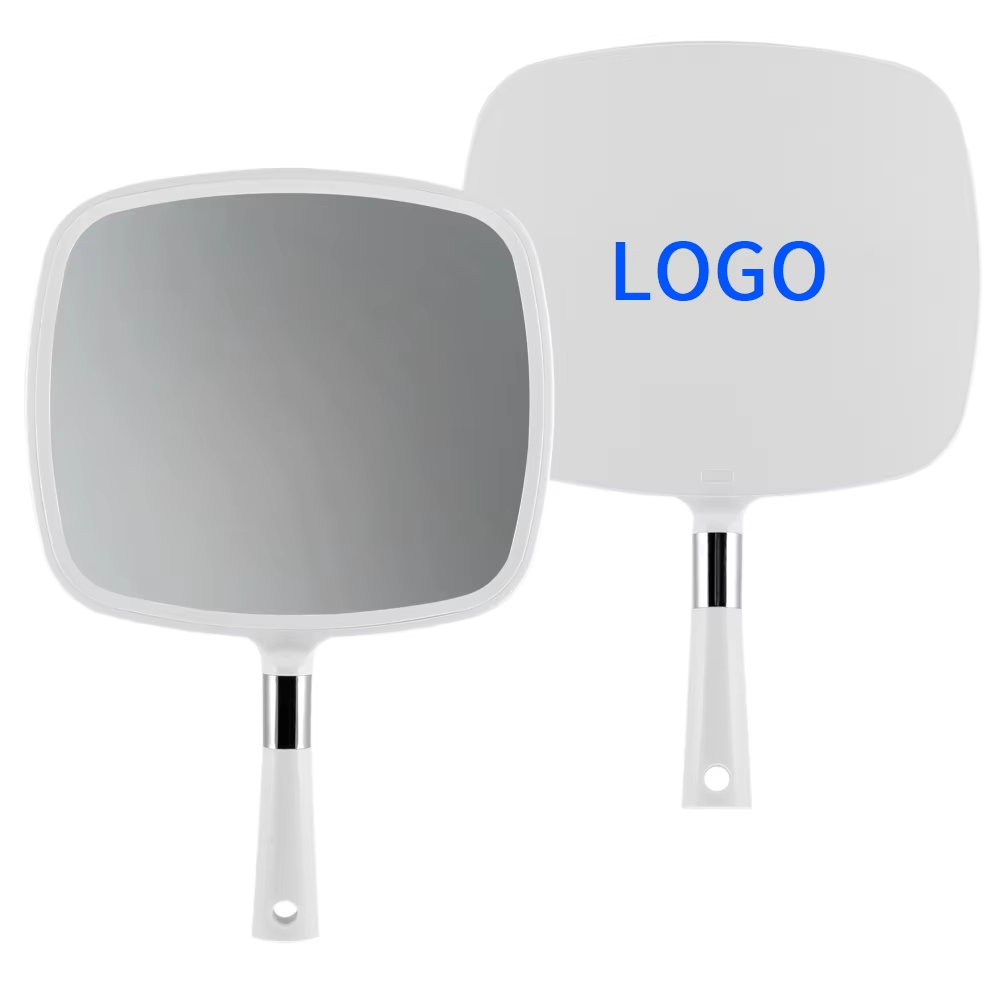
Why Shatter-Resistant Dressing Mirrors Are Essential for Hotel Safety and Compliance
Regulatory Mandates: IBC, NFPA 101, and Local Code Requirements for Dressing Mirrors
Building codes from both the IBC and NFPA 101 Life Safety Code mandate the use of safety glass like tempered or laminated varieties in moist areas such as hotel bathrooms. Why? Because when someone slips in these spaces, ordinary mirrors can turn into serious danger points. Most municipalities have incorporated these standards into their own regulations, particularly chapter 24 of the IBC which lays out specific guidelines for what counts as safe glazing in risky spots. Hotels going above and beyond the minimum 2023 safety standards see a dramatic drop in mirror injuries around 62 percent according to CPSC data from 2023. That's significant since nearly three quarters of all mirror-related accidents happen right in bathroom settings. Failure to follow these rules doesn't just look bad on paper either. Property managers facing non-compliance issues often end up paying over fifteen thousand dollars per infraction plus having to shell out big bucks for retrofitting work. Last year alone, inspections in twelve major American cities confirmed exactly these kinds of financial penalties for code violations.
Liability Risk Mitigation: How Mirror Failures Impact Insurance and Guest Litigation
The hospitality industry deals with glass-related premises liability claims averaging around $2.3 million each time there's a settlement according to Hospitality Risk Solutions data from 2024. Regular mirrors used for dressing areas that aren't certified as shatter resistant actually bump up insurance costs by about 27% when compared to those meeting safety standards. And when these mirrors do break, hotels end up paying steep legal bills typically running close to $740k per lawsuit plus suffer serious damage to their reputation fast. Guests who get hurt tend to post pictures and videos all over social media platforms within just two hours after incidents happen, as noted in a Cornell Hospitality Study. Looking at real world results, hotels that install or upgrade to shatter proof mirrors see their overall risk exposure drop by roughly 81%. This was observed across 230 different Marriott locations where such changes were implemented based on actual case study documentation.
Tempered vs. Laminated Glass: Choosing the Right Safety Glazing for Dressing Mirrors
Performance Comparison: Impact Resistance, Fragmentation Behavior, and Post-Break Integrity
Tempered glass has good impact resistance, which makes it great for busy hotel bathrooms where people come and go all day long. When this type of glass breaks, it tends to shatter into little pieces that aren't sharp, so there's less chance someone will get cut. But here's the catch: once tempered glass cracks, the whole thing goes. No holding together at all. Laminated glass works differently though. It has something called a PVB layer sandwiched between two panes. This special middle layer keeps the glass bits from flying everywhere even when the glass gets hit hard or starts to crack. The impact resistance isn't as strong as tempered glass initially, but what laminated glass lacks in raw strength it makes up for in staying put. This means buildings can avoid total glass failures and folks are less likely to suffer additional injuries from broken glass during accidents.
| Aspect | Tempered Glass | Laminated Glass |
|---|---|---|
| Impact Resistance | High; withstands strong impacts without breaking | Moderate; may crack under pressure but resists penetration |
| Fragmentation Behavior | Shatters into granular, low-risk pieces | Fragments adhere to PVB layer, limiting scatter and exposure |
| Post-Break Integrity | None; glass loses all cohesion immediately | High; remains intact as a protective, load-bearing surface |
This distinction directly informs safety strategy: tempered glass prioritizes prevention of breakage, while laminated glass emphasizes control and containment when failure occurs.
Practical Considerations: Edge Finishing, Mounting Systems, and FF&E Integration
The way edges need to be finished varies quite a bit depending on what kind of glass we're talking about. With tempered glass, all cutting and finishing has to happen before the heat treatment process because once it's tempered, there's absolutely no way to modify it on site. That makes getting everything right at the beginning stages of FF&E planning absolutely critical. Laminated glass gives us a little more flexibility though. We can make some small edge adjustments after installation, which comes in handy when doing retrofits or those special custom jobs where things don't always fit perfectly. When it comes to mounting systems, using strong anchors that resist corrosion is non-negotiable. These anchors spread out the weight properly and help prevent cracks caused by stress points. This matters most in bathrooms where humidity levels run high and moisture loves to find weak spots. Integrating FF&E elements requires careful attention to how mirror sizes match up with surrounding fixtures. The load capacity needs to align with whatever vanity or wardrobe sits next to it, and the mounting points should work seamlessly with existing lighting systems too. Getting this right ensures everything functions reliably while looking good enough to please even the most particular clients.
Balancing Safety, Aesthetics, and Long-Term Durability in Dressing Mirror Design
Design doesn't have to take a back seat when safety standards are involved. Both tempered and laminated glass options comply with IBC and NFPA 101 regulations regarding fragment containment. What makes all the difference is how these materials are specified. Thinner, clearer glass profiles can actually meet strength requirements while maintaining that sleek minimalist look architects love. When it comes to lasting performance, aluminum frames stand up well against corrosion in humid areas. And glass without copper content stays clearer longer since oxidation tends to cloud things up over time. Mechanical mounting systems work better than just glue in busy spaces because they spread weight evenly across surfaces and prevent those annoying stress points where things might crack. Designers also incorporate features that maintain aesthetics without compromising function. Recessed LED lighting keeps walls smooth and unbroken, while those subtle bevels hide protective layers behind clean lines. Real world testing shows these installations typically last between 5 to 10 years even in tough spots like spa bathrooms. Shatter resistant mirrors aren't really about making peace with regulations at all. They're actually the result of smart engineering combined with good design thinking that protects guests and enhances brand image simultaneously.
FAQ Section
What are shatter-resistant dressing mirrors?
Shatter-resistant dressing mirrors are designed with safety glass, like tempered or laminated glass, to prevent injuries from broken glass shards.
Why are shatter-resistant dressing mirrors important for hotels?
They are crucial for hotel safety and compliance with regulatory mandates, helping mitigate liability risks and reduce insurance costs.
What's the difference between tempered glass and laminated glass?
Tempered glass has high impact resistance but loses cohesion upon breaking. Laminated glass has moderate impact resistance but maintains integrity due to a PVB layer, keeping fragments from scattering.
How do mirror failures impact hotel insurance?
Non-certified mirrors increase insurance costs by about 27% and litigation expenses after breakage can be steep.
How do hotels benefit from shatter-resistant mirrors?
Hotels that install shatter-resistant mirrors see a reduction in risk exposure and potential financial liabilities related to guest injuries.
What are the practical considerations for mirror integration?
Mounting systems need strong anchors for weight distribution. Mirror sizes must align with surrounding fixtures for reliable and aesthetic integration.
What role does design play in mirror safety?
Design elements, like thinner glass and aluminum frames, contribute to durability while maintaining aesthetic value in compliance with safety standards.