 EN
EN

Why Quick-Defog Mirrors Are Essential for Gym and Spa Operations
Mirrors covered in fog aren't just annoying in places where humidity runs wild like gym showers or spa treatment areas. They actually pose serious safety problems. Studies from the Centers for Disease Control show that poor visibility from foggy surfaces can lead to slips and falls increasing by as much as 40%. That means real risks for both guests getting hurt and businesses facing legal troubles. When it comes to upscale commercial spaces, customers simply don't want their experience disrupted. A client having a facial at a luxury spa definitely doesn't appreciate reaching for a towel halfway through their treatment to wipe away condensation. Similarly, gym goers need those mirrors crystal clear after working out so they can check their form or admire their progress without constantly battling steam clouds on glass.
The ongoing problem of foggy mirrors means employees have to keep wiping down surfaces several times throughout the day. This takes away around 15 man hours each week at most facilities and uses up way more cleaning chemicals than needed. Fitness gyms across the country are seeing their cleaning bills drop by about a third once they switch to special anti-fog mirror systems. And there's another issue too many people overlook. All that repeated scrubbing actually wears down the mirrors faster, making them last maybe only half as long as mirrors designed specifically for this kind of wear and tear.
Reputational impact compounds these issues: 74% of wellness consumers cite pristine amenities as critical for retention. Fogged mirrors during peak hours signal neglectâdirectly undermining online reviews and membership renewals. Investing in integrated defogging technology isnât cosmetic; itâs foundational for hazard mitigation, operational efficiency, and competitive positioning.
How Antifog Mirror Technology Works: Heating, Coatings, and Integrated Systems
Commercial antifog mirrors prevent condensation through three core technologiesâeach balancing performance with the unique demands of high-humidity environments like gyms and spas.
Resistive Heating Pads: Reliable, Fast-Response Antifog Mirror Solutions for High-Humidity Zones
Heated mirrors work by embedding resistive heating pads that keep their surfaces about 2 to 3 degrees warmer than the surrounding air, which stops water vapor from turning into annoying droplets on the glass. These modern mirror heating systems typically draw between 30 and 50 watts of power, and most will kick in almost instantly when humidity sensors detect moisture buildup. The real advantage here is that these mirrors stay fog free no matter what the humidity level happens to be, making them perfect choices for those damp environments like steam showers or near swimming pools where regular mirrors would constantly fog up. Most quality units last around 8 to 10 years before needing replacement, though regular maintenance isn't really required beyond checking the wiring connections once a year during routine inspections.
Advanced Hydrophobic and Nanocoating Antifog Mirror Alternatives â Pros, Limits, and Real-World Performance
Non-electric options apply permanent nanocoatingsâsuch as silicon or titanium dioxideâto alter surface tension. These hydrophilic treatments spread moisture into thin, invisible films instead of fog. Key considerations include:
- Pros: Zero energy consumption, lower upfront costs, and compatibility with IP65+ waterproofing
- Limits: Gradual efficacy loss after 1â3 years; vulnerable to abrasive cleaners
- Performance: Effective in moderate-humidity locker rooms but less reliable in direct water exposure zones
LED-Antifog Mirrors: Dual-Function Efficiency Gaining Traction in Premium Commercial Facilities
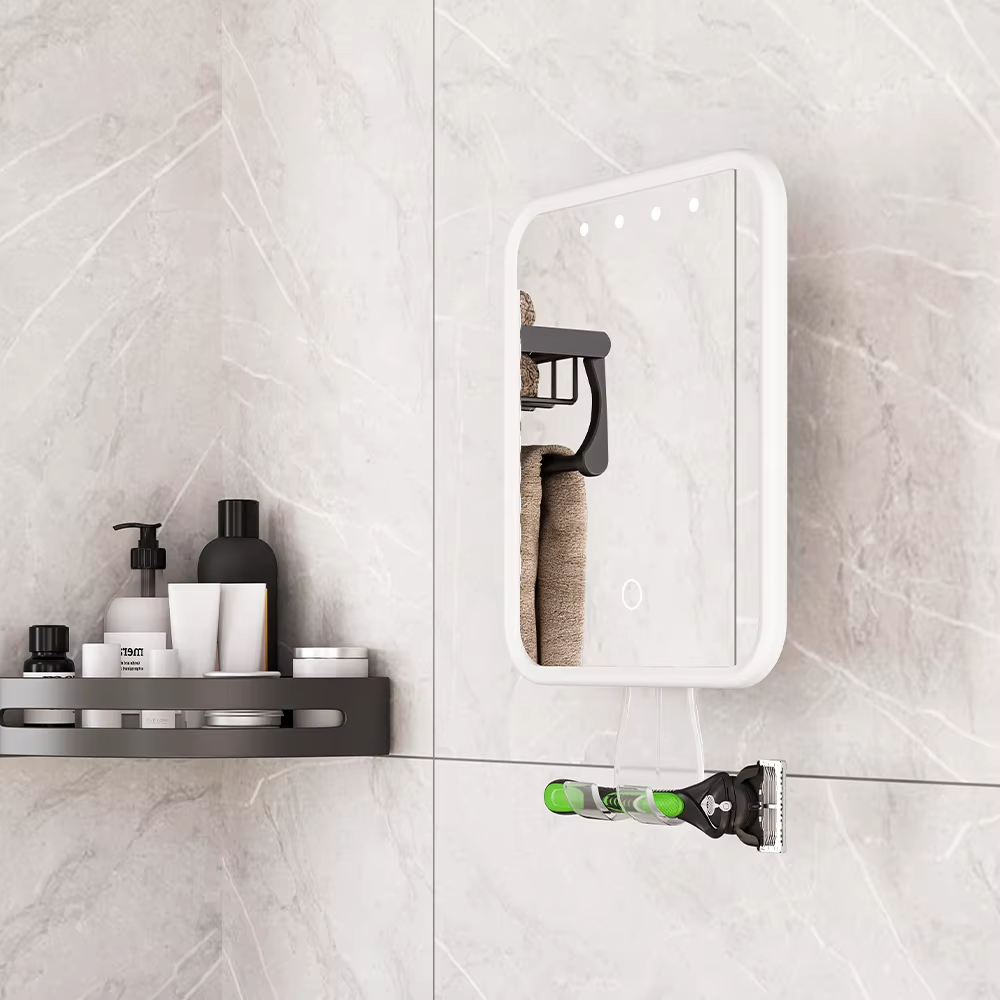
When it comes to bathroom tech, integrated LED defog systems really hit the mark. These clever devices bring together task lighting and heating elements all in one package, which makes things much easier for users and saves space in the wiring setup. They provide around 500 to 800 lux of light while keeping mirrors clear of condensation, so there's no need for separate fixtures in those vanity spots where good lighting and clear reflection matter most. The energy consumption is pretty similar to what we see with regular heated mirrors, somewhere between 30 and 50 watts. And get this: newer smart versions come with motion sensors that activate the defog function only when needed, slashing running costs by about 15% to maybe even 20%. That kind of efficiency makes these systems a smart choice for anyone looking to upgrade their bathroom without breaking the bank on electricity bills.
Key Procurement Criteria for Commercial Antifog Mirrors
Certifications & Build Standards: IP65+, ASTM D2247 Corrosion Resistance, and NSF/ISO Compliance
When choosing mirrors for areas with lots of moisture such as steam rooms, go for models with at least IP65 sealing. Mirrors that meet ASTM D2247 standards for corrosion resistance last much longer in these damp spaces. According to Facility Management Journal from last year, facilities can cut down on mirror replacements by around 40 percent over five years when they invest in quality sealed mirrors. For spa environments where chemicals are constantly present, look for NSF/ISO certified products since these ensure safe materials and proper electrical protection against potential hazards. Larger facilities handling more than ten thousand people each day would be wise to request reinforced tempered glass with a minimum thickness of six millimeters. This extra precaution helps avoid breakage from accidental impacts that happen all too often in busy public areas.
Installation Flexibility and Maintenance Requirements Across Facility Types
Match mirror design to facility type and usage intensity:
| Facility Type | Installation Requirements | Maintenance Cycle |
|---|---|---|
| Luxury Spas | Recessed mounting with vapor barriers | Weekly seal checks |
| High-Traffic Gyms | Shock-resistant brackets | Daily wipe-downs |
Choose frameless designs for steam rooms to eliminate moisture traps. For gyms, prioritize quick-access panels for servicing heating elements. Cleaning protocols matter: pH-neutral solutions preserve nano-coatings, while abrasive cleaners degrade anti-fog performance by 70% within six months (Building Materials Study, 2023). Ensure 4-inch clearance above sinks to minimize direct water exposure.
FAQ
Why are quick-defog mirrors important in gyms and spas?
Quick-defog mirrors are crucial because they prevent safety hazards like slips due to foggy surfaces and improve customer satisfaction by maintaining clear visibility in high-humidity environments.
How do antifog mirrors work?
Antifog mirrors use technologies like resistive heating pads, hydrophobic nanocoatings, or integrated LED systems to prevent condensation and maintain clear visibility.
What are the benefits of LED-antifog mirrors?
LED-antifog mirrors provide both lighting and defogging in a single unit, offering energy efficiency, convenience, and space-saving benefits.
What should be considered when procuring antifog mirrors?
Key considerations include choosing mirrors with appropriate certifications, sealing standards, corrosion resistance, and compatibility with operational requirements.
Table of Contents
- Why Quick-Defog Mirrors Are Essential for Gym and Spa Operations
-
How Antifog Mirror Technology Works: Heating, Coatings, and Integrated Systems
- Resistive Heating Pads: Reliable, Fast-Response Antifog Mirror Solutions for High-Humidity Zones
- Advanced Hydrophobic and Nanocoating Antifog Mirror Alternatives â Pros, Limits, and Real-World Performance
- LED-Antifog Mirrors: Dual-Function Efficiency Gaining Traction in Premium Commercial Facilities
- Key Procurement Criteria for Commercial Antifog Mirrors
- FAQ