
 EN
EN

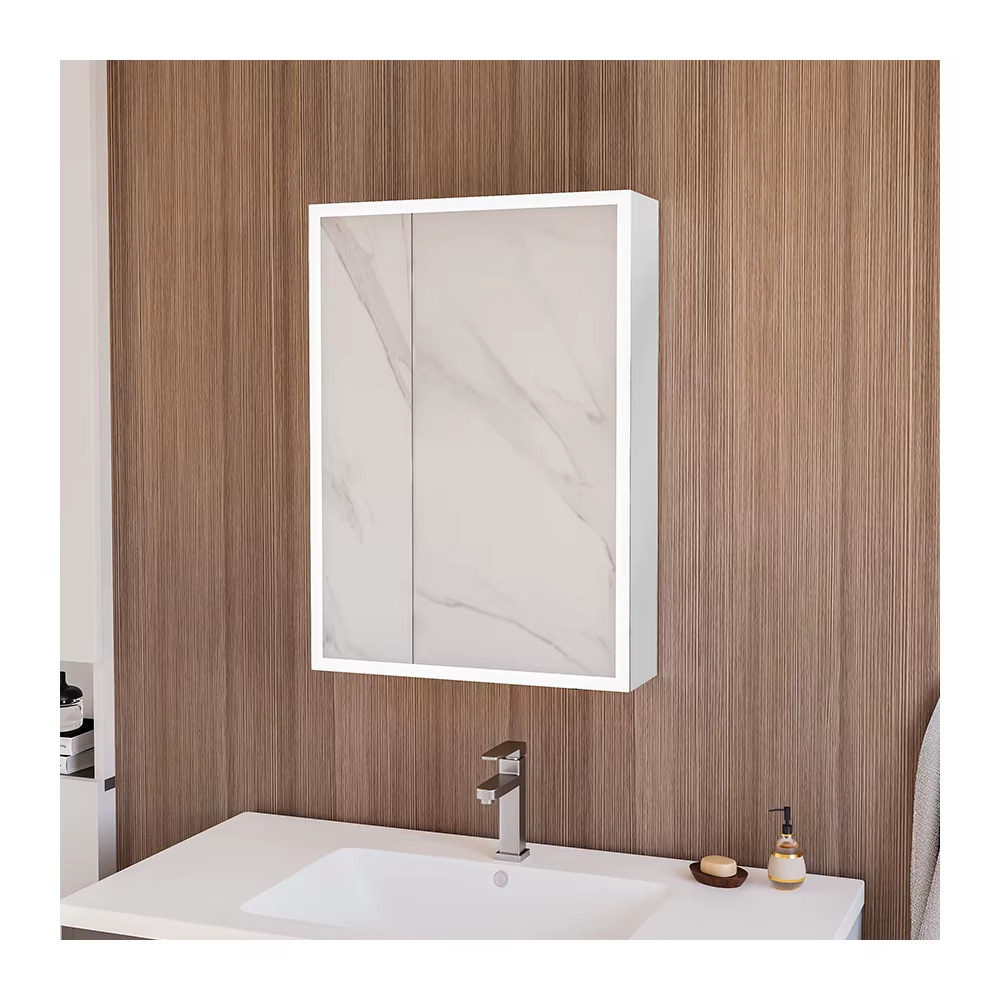
Why Salon Chains Need Memory Function LED Vanity Mirrors
Solving Consistency Challenges in High-Traffic, Multi-Stylist Environments
Salon chains run into all sorts of problems keeping lighting consistent across different stations where multiple stylists work throughout the day. When there's no standard light setup, judging colors for things like balayage or fixing bad color jobs becomes hit or miss from station to station. This inconsistency can really hurt business, sometimes leading to thousands spent on redoing work that didn't match what was promised. The answer? Memory LED mirrors that remember specific light settings called CCT presets, tuned to match natural daylight at around 5000K. With just a button press, stylists get back those approved lighting conditions so customers actually see their hair color correctly no matter who they sit with or where they go in the salon. Before these mirrors were installed, lighting differences were responsible for about 43% of color service mistakes in places with several stylists working together. Getting rid of these mismatches helps maintain the same look everywhere, which is super important for brand recognition and delivering quality service consistently.
How Preset Memory Eliminates Repeated Calibration Across Shifts and Stylists
Salon owners know all too well that manually adjusting lights eats up precious time - we're talking around 12 hours lost each week at every workstation in busy locations. The solution? LED vanity mirrors with memory functions that store individual preferences once set up. When a stylist first calibrates the mirror, it remembers everything from brightness levels and color temperatures to specific lighting setups for makeup application versus hair styling sessions, plus those annoying foggy surfaces after steam treatments. At shift change, the system automatically brings back these settings either through simple touch controls or when staff members log in with their IDs. One major national salon brand saw stations turn over 78 percent quicker after installing these memory presets, and they stopped having those frustrating calibration mistakes during rush hours. This means hairdressers can spend more quality time actually working on clients instead of fiddling with lights, which ultimately improves both service speed and customer satisfaction.
How Memory Function Works: CCT, Brightness, and Scene Recall in LED Vanity Mirrors
CCT Memory for Color-Critical Services: Balayage, Makeup, and Skin Analysis
LED vanity mirrors with memory functions keep track of specific Correlated Color Temperature settings usually anywhere between 2700K which is warm light all the way up to 6500K that mimics daylight. This helps maintain accurate colors when it really matters. Hair stylists working on balayage techniques can spot those tricky undertones better under properly set 5000K lighting. Makeup pros need to match foundations correctly so they recreate actual outdoor light conditions using these mirrors. Even skin diagnostic devices work best with clear, undistorted light at around 4000K. Salons save roughly 30 minutes on average per client because there's no need to constantly tweak the lighting settings between appointments. The result? Consistent color results throughout every service without wasting precious time on adjustments.
Dual-Layer Brightness + Scene Memory: Optimizing Ambient and Task Lighting Simultaneously
Modern mirrors come equipped with two separate lighting systems that can be saved as different settings. The ambient backlighting usually sits between 20 to 40% brightness and helps cut down on those pesky shadows around hair styling areas. Meanwhile, the front lighting for specific tasks ranges from 70 to 100% brightness and focuses on facial details without causing unwanted glare. These smart mirrors also have scene memory functions that combine both lighting levels into preset buttons. For instance, there's a setting called "Color Processing" where ambient lights sit at 30% and task lights hit 60% with a warm 4000K color temperature. Another common preset is "Consultation" mode which boosts ambient to 40% and task lighting all the way to 80% with cooler 5000K illumination. What makes this dual control system really useful is how it works well even in tight spaces typical of most salons today. Plus, it saves power compared to traditional setups and ensures clients get the same quality lighting experience every time they visit.
Scalable Deployment for Salon Chains: Firmware, Management, and Integration
Enterprise-Ready Features: Centralized Profile Sync and OTA Updates Across 50+ Locations
Running tech systems across many salons can be a real pain for big chain operators. When they set up these centralized profiles, it cuts down on all that tedious manual setup work. The system automatically applies those lighting presets to each LED mirror throughout the entire network. Think about things like setting the right color temperature for accurate hair coloring or adjusting brightness so clients can see their makeup properly. And guess what? Clients get the same great lighting experience no matter which location they walk into, whether it's the downtown Chicago spot or that beachside Miami branch.
OTA firmware updates make life much easier for salon managers. No need to send out tech crews when it's time for software upgrades anymore. Salon chains can push out security fixes, fresh lighting effects, and performance tweaks right from their office. Some recent research shows this cuts down on equipment downtime around 85% compared to old methods. When salons grow past about fifty locations, having template settings really helps get new spots up and running fast without losing those consistent brand touches across all locations. Plus, the whole system keeps checking mirrors behind the scenes too. If something starts drifting off track with calibration or there are hardware problems brewing, alerts pop up so issues don't suddenly disrupt customer appointments.
Key Differentiators Beyond Basic LED Vanity Mirrors
High-CRI Illumination, Anti-Fog Technology, and Touch-Smart Controls for Professional Grooming
Salon owners know that good lighting makes all the difference, which is why professional LED vanity mirrors are game changers for any establishment. The best ones have super high CRI ratings above 95, basically mimicking daylight so stylists can see true colors while doing everything from applying hair dye to checking foundation matches. No more guessing games! When steam builds up after washing hair, these mirrors just clear right up on their own thanks to built-in anti-fog tech. No need to reach for towels or paper products mid-service. Plus, most models come with touch controls that work even with gloved hands or damp fingers, keeping things sanitary between clients. All these features together mean faster service times and happier customers walking out the door looking exactly how they wanted.
FAQ
Why are LED vanity mirrors important for salon chains?
LED vanity mirrors with memory functions are essential for salon chains because they provide consistent lighting conditions across different stations, minimizing color service mistakes and improving overall customer satisfaction.
What is CCT, and why is it vital for salons?
CCT stands for Correlated Color Temperature. It is crucial for salons as it helps maintain accurate colors required for critical services like balayage, makeup applications, and skin analysis.
How do memory functions in the mirrors work?
Memory functions in LED vanity mirrors store and recall specific lighting settings, like brightness and color temperature, ensuring that every stylist gets the preset lighting conditions needed without manual adjustments.
Can these mirrors help in large salon chains with multiple locations?
Yes, these mirrors can be deployed across multiple locations, offering centralized profile syncing and OTA updates, ensuring uniformity in lighting conditions and simplifying management across different sites.
Are these mirrors expensive to maintain?
While initial installation might require an investment, these mirrors reduce calibration mistakes and streamline operations. With features like OTA updates, long-term system maintenance is minimized, resulting in overall cost savings.