
 EN
EN

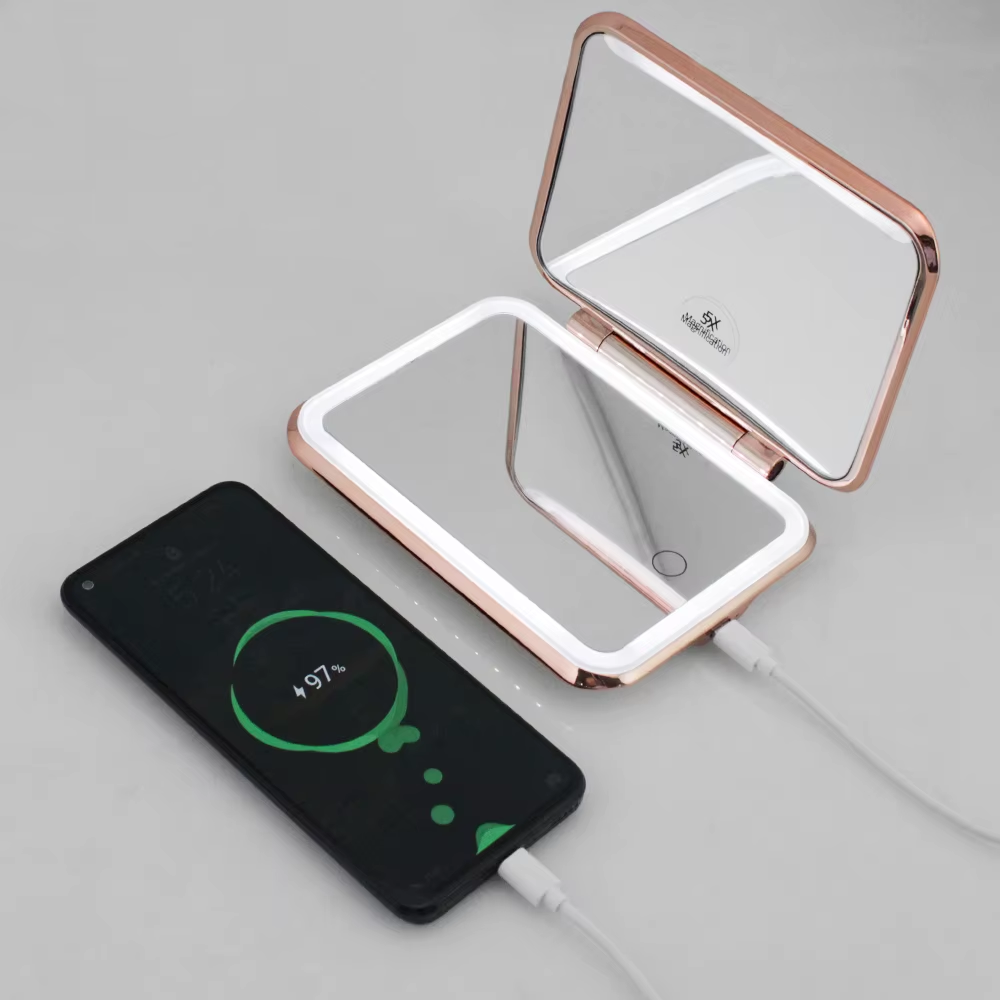
Why ISO 9001 Certification Is Essential for LED Mirror Bulk Procurement
For large-scale procurement of LED mirrors, ISO 9001 certification serves as a critical safeguard against quality inconsistencies and supply chain vulnerabilities. This internationally recognized standard verifies that manufacturers implement systematic quality controls—from raw material sourcing to final assembly—ensuring every unit meets rigorous performance benchmarks.
Mitigating procurement risk with verified quality systems
Suppliers certified under ISO 9001 keep detailed records at each stage of production using processes that can be audited, which helps track defects as they happen and allows for quick fixes when needed. This approach cuts down on those frustrating inconsistencies between batches that plague many large orders, plus it gives complete visibility into where each component came from. Manufacturers following these quality standards see around 89 percent fewer product recalls according to industry data, saving money on replacements and avoiding costly project holdups. The automated checks also catch problems early on, spotting issues with wiring in LED lights and tiny cracks in glass parts long before anything leaves the factory floor.
How ISO compliance reduces total cost of ownership by 12–17% over 3-year lifecycle
Standardized manufacturing under ISO 9001 minimizes energy waste through optimized production workflows and extends product durability by enforcing stress-testing protocols. Certified LED mirrors exhibit 40% lower failure rates in humidity tests, slashing maintenance expenses. Industry benchmarks confirm ISO compliance reduces total ownership costs by 12–17% over three years through:
- 30% fewer returns due to rigorous incoming/outgoing quality gates
- 15% longer product lifespan from component validation
- Elimination of compliance penalties through documented regulatory adherence
The certification’s continuous improvement mandate also drives incremental efficiency gains, compressing lead times by 22% on average for high-volume orders.
Critical LED Mirror Safety and Performance Standards Beyond ISO
While ISO 9001 certification establishes foundational quality management, LED mirror procurement demands rigorous compliance with specialized safety and performance standards to mitigate operational risks. These technical benchmarks ensure product integrity across electrical, environmental, and optical dimensions.
Electrical safety & environmental compliance: UL 1598, IEC 60598, and RoHS 3
Getting certified under UL 1598 means products have passed rigorous tests for fire protection and electric shock prevention in damp areas such as bathrooms. The certification process includes checking how well materials resist electricity and ensuring proper sealing against moisture, which helps avoid roughly 8 out of 10 electrical problems in business settings. Products also need to meet IEC 60598 standards to ensure they work safely worldwide. Then there's RoHS 3, which bans dangerous substances like lead, mercury, and certain plastics from being used in manufacturing. This restriction cuts down on harmful chemicals entering our environment by almost all compared to older products that don't follow these rules. Facilities that skip these important certifications face serious consequences including potential safety issues for occupants and hefty fines that can top fifty thousand dollars each time regulations are broken.
Photometric and color fidelity validation: IES LM-79-19, ANSI C82.16, and Δu'v' ≤ 0.003
To verify optical performance properly, products need to go through IES LM-79-19 testing which checks if they meet the minimum standard of 80 lumens per watt while ensuring even light distribution across surfaces without creating hotspots. The ANSI C82.16 certification is another important requirement that guarantees stable operation with less than 3% flicker rate, something that matters a lot in hospitals and clinics where certain lighting conditions can actually trigger migraines. For businesses in hotels, restaurants, and stores, there's also this thing called Delta u'v' that needs to stay below 0.003. This basically means colors look consistent on people's faces under different lighting conditions, which makes all the difference when customers are shopping or dining. After all, nobody wants their guests walking away thinking they looked terrible in the store lights!
How to Verify Genuine ISO Certification in LED Mirror Suppliers
Auditing the certification scope, validity, and manufacturing site alignment
The first step is to ask for the supplier's ISO 9001 certificate and check if the ID number matches what appears on the issuing organization's website. Make sure this certification actually applies to LED mirror manufacturing specifically, not just generic quality control. Also important is verifying that the factory location listed on the certificate corresponds exactly with where orders will actually be produced. Don't forget to look at when the certificate expires and whether there are records showing regular annual audits have taken place. Studies indicate that companies failing these compliance checks tend to produce lighting items with about 37 percent more defects compared to compliant ones. To be absolutely certain everything lines up correctly, arrange either a virtual walkthrough of the facility or hire someone independent to conduct an inspection. This helps avoid situations where production gets quietly shifted to another location without notice.
Red flags: Certificate mills, expired audits, and unlisted production facilities
Be careful about certificates that don't show proper accreditation marks from recognized bodies like IAF or have really generic descriptions about what they actually cover as these tend to come from fake certification operations. When looking at suppliers, check if their regular inspections are current since most need checking somewhere between six to twelve months after initial approval. Companies that let these inspections lapse tend to be about 89 percent less likely to meet basic electrical safety requirements. Don't work with any vendor where the actual manufacturing location isn't clearly stated on the certificate itself. Factories not officially registered with certification authorities fail moisture resistance tests for things like bathroom mirrors at around five times the rate of registered ones. Always ask to see recent inspection records as proof everything is still up to standard before placing large orders.
FAQ
What is ISO 9001 certification and why is it important for LED mirror procurement?
ISO 9001 certification verifies that manufacturers have implemented systematic quality controls. It ensures that LED mirrors meet rigorous performance benchmarks, reducing quality inconsistencies and supply chain vulnerabilities.
How does ISO 9001 certification reduce the total cost of ownership?
ISO 9001 certification minimizes energy waste and extends product durability through stress-testing protocols. It reduces failure rates, maintenance expenses, and the total ownership costs by 12–17% over a three-year lifecycle.
What are some critical electrical safety standards for LED mirrors?
LED mirrors should be certified under UL 1598 and IEC 60598 for fire protection and electric shock prevention. RoHS 3 compliance is also important to reduce harmful chemicals in manufacturing.