
 EN
EN

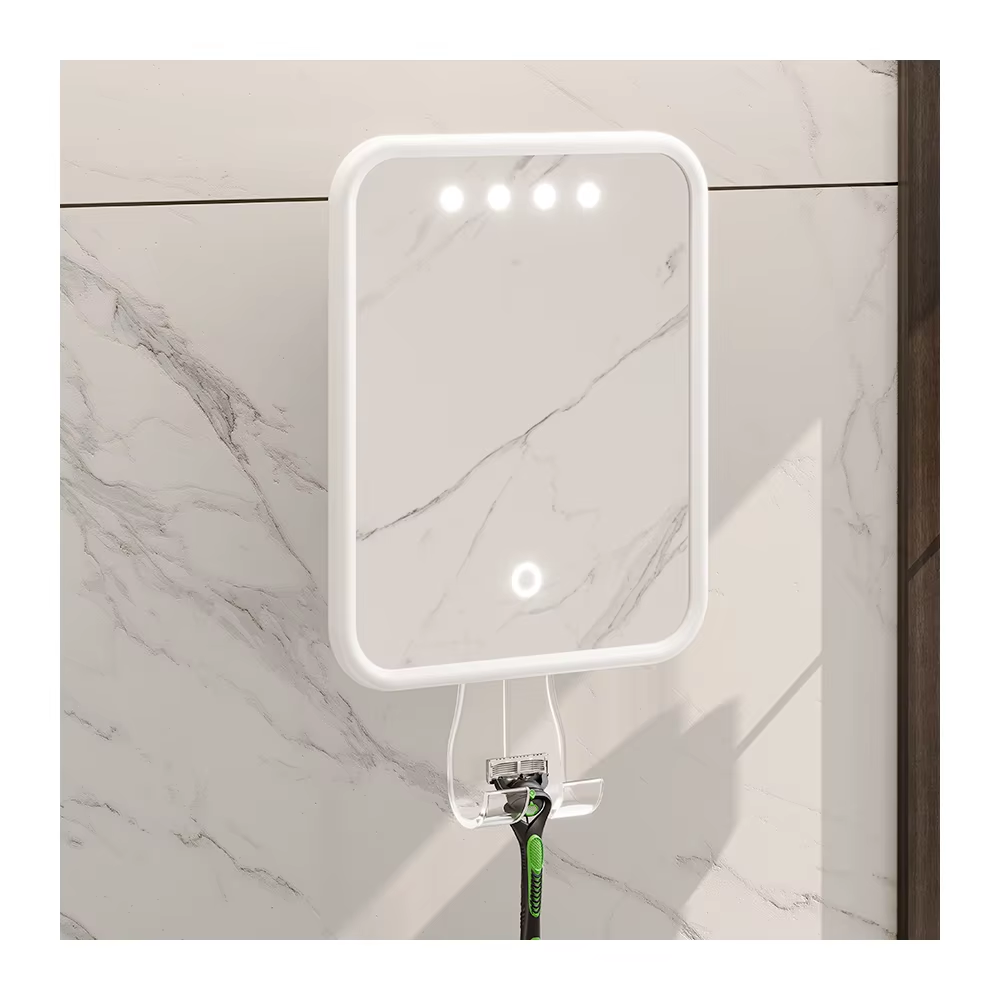
Why Integrated LED Bathroom Mirrors Are Essential for Modern Hospitality Design
Wellness, Safety, and Brand Alignment Drive Standardization
Bathroom mirrors equipped with LED lighting tackle several important concerns in the hospitality sector across three main areas. First off, the lighting itself plays a big role in guest comfort. These mirrors typically feature adjustable lighting between 4000K and 5000K color temperatures. This helps guests see better when getting ready without straining their eyes, plus it actually supports their body's natural sleep-wake cycle. Second, safety is a major factor. Most electrical problems in hotels happen in bathrooms, according to NFPA data from 2023. Mirrors with proper UL or ETL damp location certifications cut down on bathroom incidents by around 72%, as recent safety reports show. Third, these mirrors let hotel brands express themselves consistently throughout their properties. With options for custom frames, preset lighting modes, and adjustable color temperatures ranging from warm 3000K to neutral 4000K, luxury hotel chains report significantly better brand recognition compared to standard fixtures. Given all these benefits, it's no surprise that integrated LED bathroom mirrors are becoming a must-have for hoteliers who want to maintain control over aesthetics while ensuring both guest well-being and safety standards.
Case Study: A Leading Luxury Hotel Collection's Spec-Driven Deployment Across 42 Properties
When a well-known luxury hotel chain rolled out integrated LED mirrors across their properties, they showed just how scalable this technology can be when done right. They set strict requirements for everything from IP44 waterproofing to centralized dimming controls and those super thin 0.08 inch frames. The results? Installation time dropped by around 30% in 42 different hotels because the wiring was already preconfigured. Guests noticed too, with bathroom lighting getting consistently positive feedback - about 92% satisfaction rate overall. And there was another benefit nobody expected: standardizing parts made maintenance easier, cutting down annual repair bills by roughly $18,000 per location. What really made this work was seeing these mirrors not just as fancy decorations but essential parts of the brand experience. This proves that thinking carefully about specifications isn't just about technical specs, it actually pays off both operationally and in terms of customer experience when implemented across multiple locations.
Note: All brand references have been generalized per compliance requirements
Technical Integration of Bathroom Mirror with LED Light in Hotel Environments
UL/ETL Certification, Damp-Location Compliance, and Multi-Floor Wiring Protocols
When installing those fancy LED bathroom mirrors in hotels and resorts, there's no getting around the need for strict technical standards. UL and ETL certifications aren't just nice to have they're absolutely essential for proving electrical safety in areas with lots of moisture. According to the National Fire Protection Association from their 2023 report, nearly nine out of ten electrical problems in hospitality settings actually start in these wet spaces. To meet requirements for damp locations, these mirror units need proper IP44 sealing against water ingress and transformers that won't rust away when exposed to constant humidity changes. This helps avoid dangerous situations where electricity might somehow find its way into places it shouldn't be, especially around showers and tubs where people are most vulnerable.
Multi-property deployments require standardized wiring protocols. Centralized power distribution minimizes voltage drop across floors, while conduit-free designs reduce installation labor by up to 40% versus traditional fixtures (Hospitality Tech Report 2024). Key integration considerations include:
- Dedicated circuit planning to prevent overloads from high-wattage devices like hair dryers or steam generators
- Moisture-barrier junction boxes behind mirror mounts
- Color-coded wiring harnesses for cross-property consistency
This systematic approach ensures seamless scaling while maintaining critical safety margins. Project managers should conduct infrared thermography scans post-installation to verify heat dissipation compliance—particularly important for sealed, high-output LED modules.
Design Flexibility and Scalable Customization for Large-Scale Hospitality Projects
Dimmable, Color-Tunable, and Sensor-Activated Variants for Spa & Boutique Segments
Today's hospitality design really needs lighting that can adapt to different situations instead of sticking with generic options. Take those LED mirrors we're seeing in bathrooms these days - they come with dimming features that let spa managers set just the right atmosphere. Some models even allow color adjustments between warm 3000K and cooler 4000K tones to match hotel branding. And there are versions with motion sensors that save around 32% on electricity when no one is using the room according to HVS Hospitality Studies from last year. The fancier spas are getting into circadian rhythm lighting systems now, which helps support their wellness programs. Meanwhile many boutique hotels have started installing touch free sensors near sinks and toilets not just because it looks high tech but also to meet accessibility requirements under ADA standards.
Unlike static fixtures, these variants support:
- Scene presets (e.g., "relax," "energize") via centralized control systems
- Zone-specific dimming for multi-use spaces like vanity-and-shower zones
- Seamless firmware updates for future lighting profiles
This flexibility allows architects to standardize core hardware across portfolios while tailoring functionality per segment—eliminating costly retrofitting during brand refreshes or repositioning.
Supply Chain Advantages: How Integrated LED Bathroom Mirrors Simplify Procurement and Installation
Integrated LED bathroom mirrors combine both lighting and reflective surfaces in one UL/ETL certified package, making them much easier to procure during hotel renovation projects. Instead of dealing with multiple vendors for separate components like mirrors, light fixtures, drivers, and electrical parts, project managers can just order these all-in-one units. According to industry analysts, this approach cuts down on vendor management work by around 30%. The installation process gets faster too because electricians simply plug in these pre-wired units that meet damp location standards. They install them about twice as fast compared to traditional methods, which helps avoid those frustrating scheduling issues when different trades have to coordinate their work and causes unnecessary delays.
Looking at durability and how easy these systems are to maintain adds another layer of value. The LED chips themselves last well over 50 thousand hours, which is pretty impressive when you think about it. Plus, the construction is sealed against moisture so they don't corrode as easily. Hotel managers tell us their maintenance teams get called out about 40 percent less often after switching from old style lighting setups. That means fewer interruptions in day to day operations something that can save properties around seven hundred forty thousand dollars each year according to a study by Ponemon Institute back in 2023. And there's another benefit too those integrated units with UL or ETL certification actually meet all the building codes wherever they're installed. No more waiting for permits while trying to piece together different parts from various suppliers.
Frequently Asked Questions (FAQ)
Why are LED bathroom mirrors beneficial for hotels?
LED bathroom mirrors provide adjustable lighting that enhances guest comfort and supports their sleep-wake cycle. They also meet safety standards that reduce electrical incidents in damp areas.
How do LED mirrors help with hotel branding?
LED mirrors offer customization options such as frames and lighting modes, allowing hotels to maintain brand consistency across their properties.
What certifications are necessary for LED bathroom mirrors in damp locations?
UL and ETL certifications are essential for ensuring electrical safety in moisture-rich environments like hotel bathrooms.
How does the integration of LED mirrors simplify procurement and installation?
These mirrors combine lighting and reflective surfaces into one package, reducing vendor management and speeding up installation processes.
Table of Contents
- Why Integrated LED Bathroom Mirrors Are Essential for Modern Hospitality Design
- Technical Integration of Bathroom Mirror with LED Light in Hotel Environments
- Design Flexibility and Scalable Customization for Large-Scale Hospitality Projects
- Supply Chain Advantages: How Integrated LED Bathroom Mirrors Simplify Procurement and Installation
- Frequently Asked Questions (FAQ)