
 EN
EN

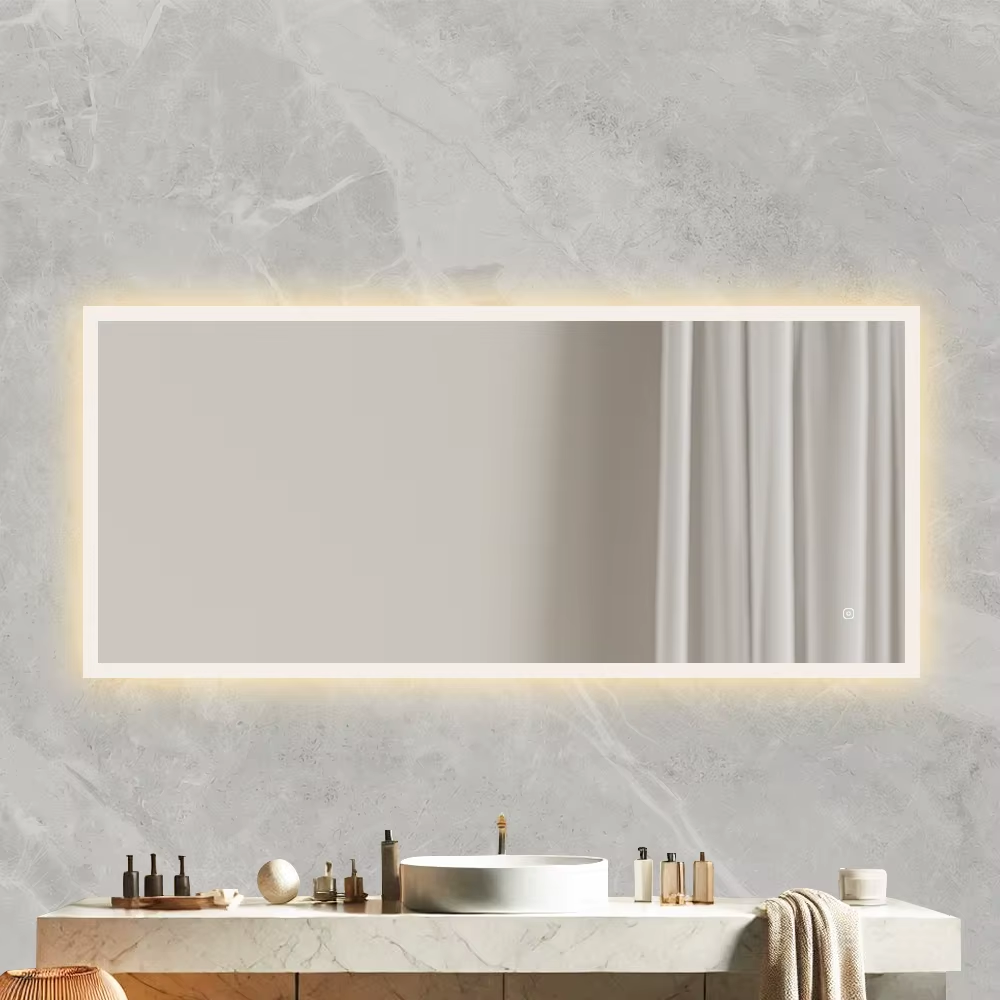
Why LED Technology Makes Bathroom Mirrors More Energy Efficient
LED vs. Traditional Lighting: Power Draw, Heat Output, and Efficiency Gains
Bathroom mirrors with LED lighting offer better energy efficiency because of several important factors. For starters, these lights use way less electricity compared to traditional options. Most LED mirrors run between 3 to 30 watts, while old fashioned halogen or incandescent mirrors typically need anywhere from 60 to 100 watts to operate. Another big plus is how efficiently LEDs work. About 95% of the energy goes directly into producing light, which means much less wasted heat. Traditional bulbs are quite different since around 90% of their energy actually turns into heat instead of light. This makes a noticeable difference in rooms where temperature control matters. The third advantage comes down to how the light is directed. Unlike regular bulbs that spread light in all directions and require reflectors, LEDs emit light in specific directions right from the source. This eliminates those annoying light losses we see with older bulb types and results in brighter illumination for the same amount of power consumption.
Real-World Wattage Benchmarks: What to Expect from Modern Bathroom Mirror with LED Light
Actual measurements reflect consistent efficiency gains:
- Standard 24"x30" LED mirror: 12–18 watts
- Backlit vanity models: 18–26 watts
- Traditional incandescent fixtures: 75–100 watts
Power consumption drops by around 75 to 90 percent when switching to these new mirrors. Let's do some math real quick: if someone uses their bathroom mirror for about two hours each day, they'd save roughly thirty bucks a year on electricity costs compared to old fashioned incandescent lighting. And let's not forget about how much longer these last either. While traditional bulbs might burn out after only 1000 to 2000 hours of use, these modern fixtures keep going strong well past 50,000 hours. That makes all the difference over time. Smart manufacturers have also been working behind the scenes to boost performance even more. They incorporate special low voltage components along with carefully designed light guides that distribute illumination evenly across surfaces without wasting energy.
Top Energy-Saving Features in LED Bathroom Mirrors
Motion Sensors and Auto-Shutoff: Eliminating Phantom Load in Daily Use
The so called phantom load refers to all that energy our gadgets suck up when they're just sitting there in standby mode. According to recent studies from the US Department of Energy, these standby drains account for around 10% of what most households pay for electricity each month. Now take modern LED bathroom mirrors as an example. These newer models come equipped with motion sensors and automatic shut off features that turn the lights on only when someone walks by and then switch them off completely after about 2 to 5 minutes of no activity. Traditional mirrors without these smart features tend to guzzle somewhere between 1 and 3 watts all day long while waiting for someone to use them. That adds up over time too. A regular mirror without any kind of timer can actually waste approximately 26 kilowatt hours every year just sitting idle. But with those occupancy sensing ones? The wasted energy drops straight to nothing. This makes a big difference particularly in busy bathrooms where people constantly come and go throughout the day. Even better, some premium models adjust their sensitivity depending on how bright it already is outside, so they won't flicker unnecessarily during sunny mornings or afternoons.
Dimmable Brightness and Adjustable Color Temperature for Task-Appropriate Illumination
Fixed-output lighting frequently over-delivers brightness–and energy–for routine tasks. LED mirrors resolve this with intelligent illumination controls:
- Dimmable output (20–100% intensity) allows users to cut power draw by 30–80% during low-demand activities like nighttime hygiene
- Adjustable color temperature (2700K–6000K) enables task-optimized lighting–cooler tones (e.g., 4000K–5000K) improve visual acuity for makeup or shaving at lower lumen levels than warmer settings
This dual adjustability aligns light delivery precisely with functional needs: 500 lux at 4000K suffices for grooming, while relaxation may require only 200 lux at 3000K. As a result, these mirrors typically achieve 25–50% daily energy savings versus fixed-output alternatives. Memory presets reinforce efficiency by recalling ideal configurations for recurring routines.
Long-Term Value: Lifespan, Maintenance, and True Cost of Ownership
50,000+ Hour LED Lifespan vs. Halogen/Incandescent: Calculating ROI Over 10 Years
LED bathroom mirrors offer benefits that go way past just saving on electricity bills they actually change how much money someone spends over time owning one. Regular old halogen or incandescent lights tend to burn out somewhere between 1,000 and 2,000 hours of use, which isn't very long when we're talking about something people use every day. Good quality LED bulbs, however, can stick around for 50,000 hours or more. That's basically 15 full years if someone uses their mirror for just eight hours each day. The fact that these lights last so long means nobody has to keep buying replacements or messing around with changing bulbs all the time. When looking at what happens over ten years, the difference in total spending becomes pretty obvious.
| Cost Factor | LED Mirror | Halogen/Incandescent |
|---|---|---|
| Bulb Replacements | 0 | 15+ |
| Installation Labor | $0 | $300+ ($20/replacement) |
| Energy Draw (30W vs 75W) | $105 | $262 |
Assumes $0.15/kWh electricity and 2h daily usage
Getting rid of those constant bulb changes plus cutting down on power usage brings down the overall costs by around 70%. That's a big deal for anyone running facilities or commercial spaces. Plus, these lights help cut down on all that old bulb trash ending up in landfills. Take into account what people save on electricity bills and the money not spent on replacing bulbs, and most high quality LED mirrors actually start paying for themselves after just about four years. Makes sense why so many businesses are switching over now they see both the financial benefits and the green angle.
Smart Selection Guide: Matching Your Bathroom Mirror with LED Light to Energy Goals
When picking out a bathroom mirror with LED lights, it's important to match what the mirror offers with what we want in terms of saving energy. Look for mirrors that can adjust their brightness levels and change colors from warm to cool tones between roughly 2700K to 5000K. These features combined can cut down on energy usage by about half during normal bathroom activities. Many good options come with built-in motion sensors that turn off automatically after sitting idle for around 2 to 5 minutes. This simple feature helps eliminate those hidden energy drains that account for somewhere between 5% and 10% of home electricity bills each year. Check if the mirror has been certified by reputable standards like ENERGY STAR or EU Ecodesign, since these programs set pretty strict rules about how efficient products need to be before they get approved. For instance, most backlit mirrors should consume no more than 15 watts according to these standards. Also think about getting the right size mirror for the space available. Big mirrors lighting up empty corners just waste power. And don't forget to check the light output rating – aim for at least 80 lumens per watt, which beats traditional bulbs by anywhere from 75% to 90%. Taking all these factors into consideration creates an efficient setup while still maintaining good lighting quality and comfort.
FAQ
Why are LED mirrors more energy-efficient than traditional mirrors?
LED mirrors are more energy-efficient because they consume less power, direct most of their energy into light production rather than heat, and feature intelligent designs that reduce waste.
How much can I save annually by switching to an LED bathroom mirror?
By switching to an LED bathroom mirror, you could save approximately $30 annually on electricity costs, assuming two hours of daily usage.
Do LED mirrors last longer than traditional mirrors?
Yes, LED mirrors have a lifespan exceeding 50,000 hours, compared to 1,000 to 2,000 hours for traditional bulbs.
What additional features should I look for in an LED bathroom mirror?
Look for features like motion sensors, auto-shutoff capabilities, dimmable brightness, adjustable color temperature, and certifications like ENERGY STAR to maximize energy savings.