
 EN
EN

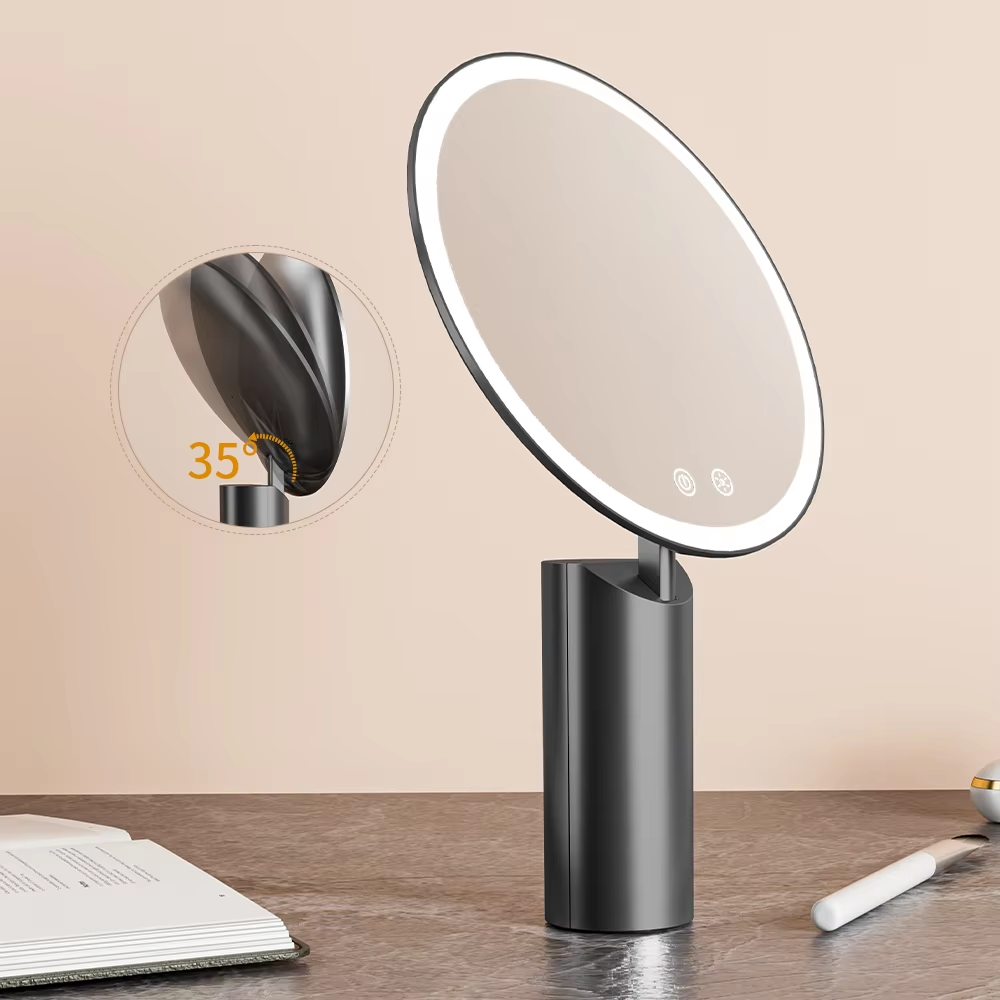
Why Custom Bathroom Vanity Mirrors Are Essential for Modern Hotels
For modern hotels, custom bathroom vanity mirrors have become essential elements that boost guest satisfaction, save space, and help build brand recognition. Standard store bought mirrors just don't cut it anymore because they often leave awkward gaps between surfaces and fail to provide proper lighting for guests getting ready in the morning rush. When hotels invest in custom made mirrors instead, they get exactly what fits their space without those annoying little problems. According to a recent study published by Hospitality Insights last year, rooms equipped with thoughtfully designed lighting features such as illuminated mirrors can actually lead to around 20% higher guest return rates simply because people feel more comfortable and find everything easier to use. The design choices matter too since unique mirror styles act as quiet but effective markers of brand personality throughout different locations, which helps explain why some upscale properties charge extra for their bathrooms. Plus, when constructed properly with materials meeting all safety standards, these mirrors last longer between repairs and show customers that the hotel cares about quality details. All this adds up to turning something as ordinary as using the bathroom into an experience worth remembering, ultimately leading to better online ratings and more returning visitors over time.
Sizing Principles for Bathroom Vanity Mirrors in Hospitality Spaces
Width Proportioning: Aligning with Vanity Base and the 60–70% Rule for Lit Vanities
Mirror width critically influences both function and perception in hotel bathrooms. Industry best practices recommend sizing mirrors to span 60–70% of the vanity’s total width when paired with integrated lighting—striking a balance between optimal task illumination and clean, uncluttered sightlines. For example:
| Vanity Width | Ideal Mirror Width | Lighting Consideration |
|---|---|---|
| 36 inches | 22–25 inches | Allows 5–7 inches per side for sconces |
| 48 inches | 29–34 inches | Maintains symmetry with centered fixtures |
| 60 inches | 36–42 inches | Accommodates dual lighting zones |
Going beyond 70% risks visual heaviness; falling short compromises lighting coverage and reflection utility. In double-sink configurations, designers may choose either two independently sized mirrors—each covering 60–70% of its respective sink zone—or a single, wider unit segmented by lighting breaks to preserve clarity and proportion.
Height & Placement: Optimizing for Guest Ergonomics, ADA Compliance, and Average Height Profiles
Strategic mirror placement ensures inclusivity, safety, and comfort across diverse guest demographics while meeting legal requirements. The mirror’s centerline should sit 60–65 inches above the floor—aligned with the global adult height average (5'4"–6'0", WHO 2023). To satisfy ADA standards:
- Bottom edge must be no higher than 40 inches from the floor
- Top edge must be at least 74 inches from the floor
- Floor space in front must remain unobstructed (30" × 48")
Leaving about 4 to 6 inches between where the mirror sits and the backsplash above helps keep water from creeping up behind it and makes those pesky cleaning sessions just a bit easier. When dealing with two sinks side by side, getting the mirror centered properly over each faucet really matters for both looks and function. The Hospitality Design Journal did some research last year showing something interesting too: tilting mirrors down slightly, maybe around 5 to 10 degrees, can cut neck strain by almost a third according to their findings. While this might seem like a small detail, many hotels and restaurants actually implement this now thanks to better mounting hardware that supports these kinds of adjustments without compromising stability.
Procuring Custom Bathroom Vanity Mirrors: From Specification to Bulk Delivery
OEM/ODM Collaboration: Translating Hotel Brand Standards into CAD-Driven Mirror Production
The procurement process typically starts with solid OEM or ODM partnerships that focus on getting things right from the beginning and scaling up as needed. When hotels want to order custom items, they send detailed specs to manufacturers. These specs cover everything from size measurements to how edges are finished, what color the LEDs should be, how lights can dim, and even specifics about how things mount onto walls. Manufacturers then take all these requirements and turn them into actual CAD models that work. Using this digital approach first lets everyone see how mirrors will fit with vanities, walls, and existing lighting setups long before anything gets made. One high end hotel chain saw their on site problems drop by around 40% once they started using 3D prototypes for those tricky backlit mirror holes and bracket positions. This kind of planning saves both time and money in the long run.
Lead Times, MOQs, and Quality Assurance Protocols for Multi-Property Rollouts
Getting products delivered on time and in good condition matters a lot when working on big hotel or resort projects. Most custom tempered glass vanity mirrors take around six to eight weeks to make, and most manufacturers want at least fifty pieces ordered for each specific design. When hotels do renovations in phases, smart suppliers work out delivery schedules that match when rooms will be closed down for remodeling. This helps keep things organized and reduces problems with storing materials. The quality checks go way beyond just looking at them. Before shipping, samples get tested for size accuracy. Independent labs also check if the glass meets industry standards like ASTM C1036-21. Some companies even run special tests where they expose the glass to high humidity conditions to see how it holds up after years in bathrooms. An actual case study comes from a major resort brand that managed to install over three hundred units without any issues in the field. They made their supplier perform extra tests on how the glass breaks apart and subjected batches to extreme temperatures ranging from minus twenty degrees Celsius all the way up to sixty degrees.
Safety, Durability, and Compliance for Commercial Bathroom Vanity Mirrors
Tempered Glass Mandates and UL/ETL Certification Requirements
Commercial bathroom vanity mirrors must be made from tempered glass, not just regular glass. When broken, tempered glass breaks into small granular pieces instead of sharp shards, which makes it much safer in busy areas where people might bump into them. Most industry guidelines specify at least 7mm thickness for hotel quality installations. If the mirror has built-in lighting features, it needs either UL or ETL certification to ensure safe operation in moist environments according to local building regulations. The real test comes when manufacturers subject these mirrors to impact tests applying around 400 Newtons of force as specified by ASTM standards. These tests show tempered glass is roughly 90 percent less likely to cause injuries than ordinary annealed glass would be under similar conditions.
IP Ratings, Shatterproof Performance, and CE/ETL Validation for High-Traffic Bathrooms
Moisture protection levels are defined by IP ratings. For regular bathroom areas where splashes might occur, IP44 rating works fine. But when installing mirrors near showers or steam rooms, we need at least IP65 rating to handle jets of water. The CE mark on products means they meet European Union standards for safety and environment regulations. This goes hand in hand with ETL certification which helps products get accepted worldwide. Glass manufacturers also go beyond basic tempering techniques. Many add acrylic backings or special laminated layers inside the glass. These extra measures stop shards from flying off if the mirror breaks. Before installation, most professionals insist on seeing proof from independent testers confirming all these safety features work properly.
- Mechanical durability over 200,000+ actuation cycles (ISO 20433:2021)
- Humidity resistance at 95% RH for 1,000 hours
- Thermal stability across -20°C to 60°C shock cycles
This layered compliance framework mitigates liability exposure and supports 10+ year service life in demanding 24/7 hospitality settings.
FAQ
Why are custom bathroom vanity mirrors important in modern hotels?
Custom bathroom vanity mirrors provide proper fitting, enhance lighting, contribute to guest satisfaction, and build brand recognition.
How is mirror width determined for hotel bathrooms?
Mirror width is determined by spanning 60-70% of the vanity's width, allowing proper lighting and maintaining sightlines.
What factors should be considered for mirror height and placement?
Considerations include guest ergonomics, ADA compliance, and ensuring clearance space for inclusivity and safety.
What are the typical lead times for procuring custom mirrors?
Lead times for custom mirrors are typically six to eight weeks depending on the order volume and specifications.