
 EN
EN

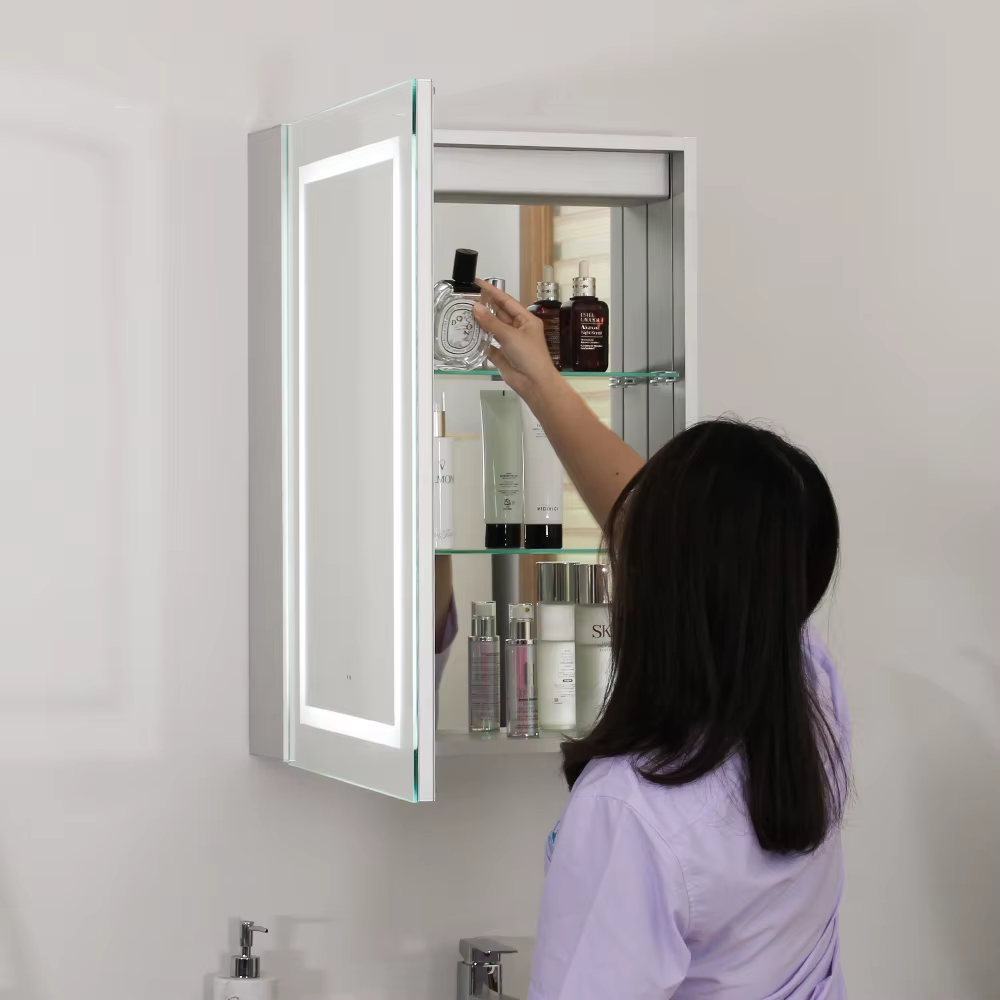
Why Humidity Is the Primary Threat to Bath Mirrors
Bathroom mirrors don't last long when exposed to high humidity because they fail in two main ways over time. The silver behind the glass gets oxidized, and the edges where the mirror is sealed start to peel away. Moisture finds its way through these seals all the time in bathrooms where humidity levels typically hover between 60 and 80 percent. Once inside, this dampness interacts with the silver coating, creating those annoying black spots we call desilvering and messing up how light reflects off the surface. Regular exposure to these daily wet-dry cycles really speeds things up. According to some research, regular mirrors without special humidity protection tend to break down about 70% quicker compared to ones placed in drier areas of the house.
The core vulnerability stems from water’s capillary action:
- Structural degradation: Moisture seeps into microscopic gaps at the mirror’s edges, dissolving protective sealants and corroding metal components
- Chemical corrosion: Steam reacts with unprotected silver nitrate coatings, forming silver sulfide that manifests as blotchy dark patches
Unlike standard mirrors, moisture-resistant bath mirrors incorporate polymer edge seals and nickel-chromium undercoats—barriers proven to reduce humidity-related failures by over 80% (Ponemon Institute 2023). Without these defenses, continuous exposure to RH levels exceeding 60% causes irreversible damage within 2—3 years, compared to 10+ year lifespans for engineered alternatives.
Humidity-Resistant Material Engineering for Bath Mirrors
Barrier Undercoats (Ni/Cr) and Edge-Sealing Innovations That Prevent Silver Layer Degradation
Water getting into bathroom mirrors is actually what causes most failures over time. When moisture reaches the silver backing, it starts to oxidize and turns black permanently. To fight against this problem, manufacturers have developed special coatings using nickel and chromium layers placed right between the glass surface and the reflective silver underneath. These metal barriers act like shields that stop oxygen and water vapor from passing through. Tests show these coated mirrors let only about 3% of moisture through compared to regular ones when exposed to high humidity conditions. On top of that, new sealing techniques are being used around the edges of mirrors too. Instead of traditional polymers, companies now apply laser fused silica compounds to completely seal off those perimeter areas where almost 9 out of 10 moisture issues start. Putting these two methods together means mirrors can last well over a decade without losing their reflective quality even in steamy bathrooms. Regular mirrors typically start showing signs of damage after just two years in similar conditions.
Validating Durability: Testing Standards and Lifespan Expectations for Modern Bath Mirrors
ASTM D3359 and Steam-Cycle Testing: Quantifying Adhesion Retention in Nano-Enhanced Coatings
The ASTM D3359 cross hatch test checks if anti humidity coatings stick properly to mirror surfaces after being exposed to steam. The process involves scratching the surface deliberately and then subjecting it to multiple cycles of high humidity. This helps determine just how resilient the coating remains when faced with actual usage conditions. These accelerated steam tests basically fast forward through years worth of bathroom wear and tear in just a few weeks time. They specifically look at whether both hydrophilic and hydrophobic nano coatings can maintain their clear appearance even at 95 percent relative humidity levels. For manufacturers, getting good results from these tests is essential because it confirms that the coating will hold up over time. Without proper adhesion, there's a real risk of corrosion developing behind the glass where the silver layer sits, which nobody wants to see happen in their mirrors.
UL 1703 Certification and Accelerated Aging Protocols for 10+ Year Bath Mirror Reliability
The UL 1703 certification involves over two thousand hours of accelerated aging tests designed to mimic what happens in bathrooms over ten years. These tests put products through various conditions including ultraviolet light exposure, repeated heating and cooling cycles, plus moisture buildup to check how well they resist fogging, stay structurally sound, and keep their brightness when LEDs are involved. Products that meet this standard typically show less than five percent reduction in brightness levels and still hold onto their coatings even after going through drastic temperature changes. This actually backs up what manufacturers say about lasting around ten years, which gives consumers peace of mind knowing they won't have to deal with foggy mirrors down the road.
FAQ
What causes mirrors to desilver?
Desilvering occurs when the silver backing oxidizes due to moisture exposure, causing black spots to appear on the mirror surface.
How do moisture-resistant mirrors differ from regular ones?
Moisture-resistant mirrors use polymer edge seals and nickel-chromium undercoats to prevent humidity-related failures, unlike regular mirrors.
What testing standards ensure mirror durability?
Standards like ASTM D3359 and UL 1703 help verify the adhesion and durability of mirrors in high humidity environments, ensuring long-term reliability.